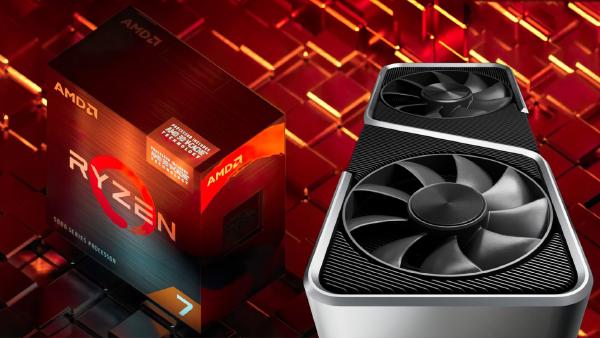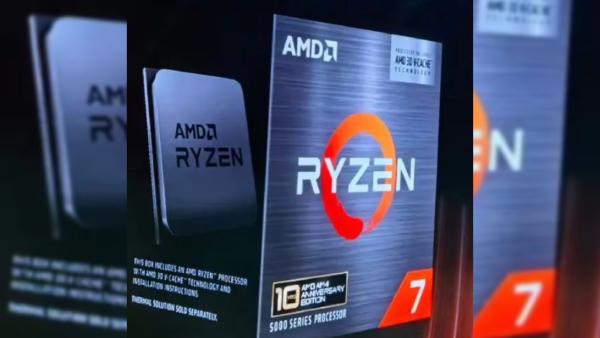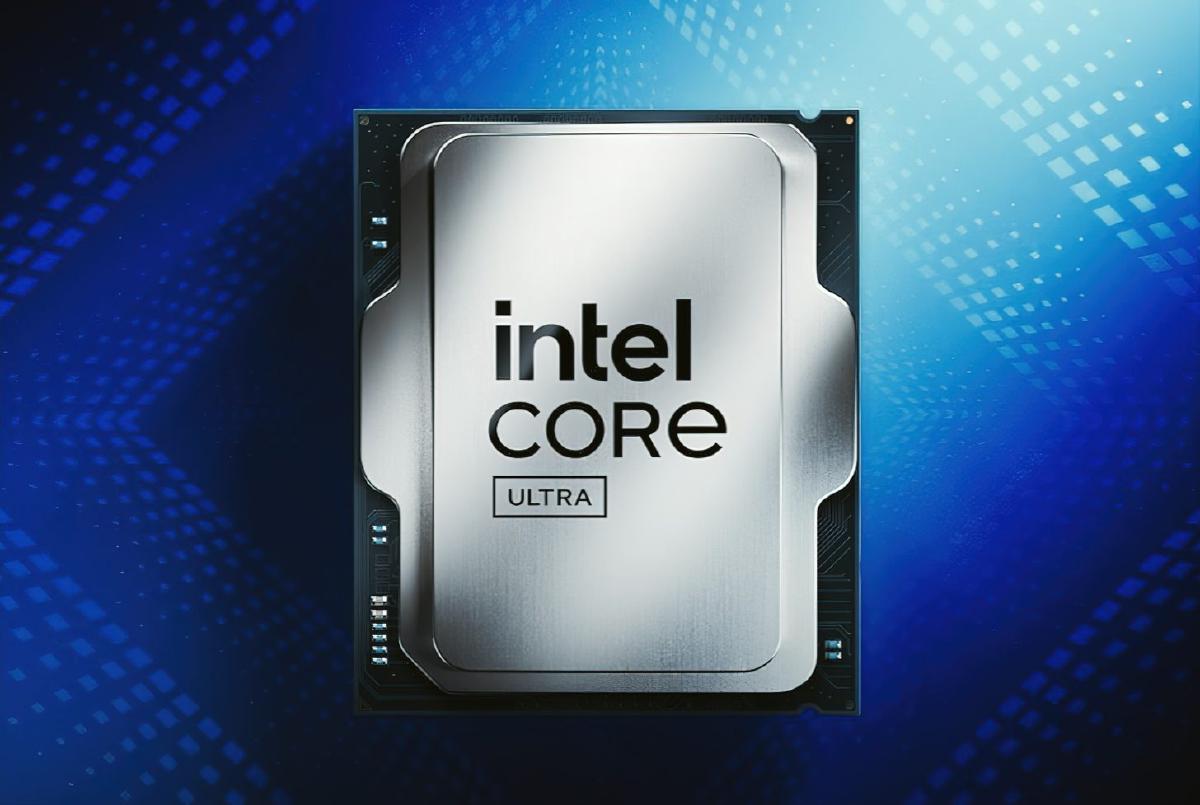
Intel is making significant adjustments to its desktop gaming roadmap as it seeks to narrow the performance gap with AMD’s X3D processors. The company aims to enhance both hardware and software technologies over the next five years, a move that signals its commitment to revitalizing its position in the competitive gaming landscape. As first reported by Wccftech, Robert Hallock from Intel’s client CPU team outlined these ambitious plans during an interview with PCGameshardware.
Hallock indicated that the revised strategy stems from a focused effort to catch up to AMD’s lead in the gaming CPU market. The X3D lineup from AMD has garnered considerable attention for its impressive gaming performance, particularly due to its innovative use of 3D V-Cache technology. Intel’s recalibrated approach will incorporate a combination of new hardware developments alongside significant software enhancements intended to optimize gaming experiences.
One of the key areas Intel is emphasizing is the integration of advanced software capabilities that can leverage their existing hardware more efficiently. This includes optimizing game engines and improving compatibility with popular gaming titles to maximize the performance of Intel processors. Hallock hinted that the company recognizes the importance of software in delivering a seamless and high-quality gaming experience, which could be pivotal in attracting gamers who have gravitated towards AMD’s offerings.
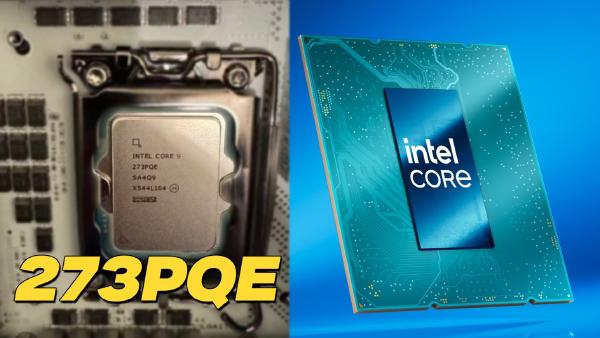
Intel is expected to roll out a new generation of processors that will not only challenge the X3D CPUs but also aim to surpass their performance benchmarks. The anticipated launch will likely accompany improvements in thermal efficiency, clock speeds, and overall performance metrics. These enhancements are intended to provide gamers with a more compelling reason to choose Intel hardware for their setups.
In addition to the hardware advancements, Intel is reportedly exploring new avenues in AI and machine learning that could introduce intelligent performance scaling based on user behavior and game demands. This forward-thinking strategy aligns with current trends where adaptive technology plays a crucial role in enhancing user experience and performance in real time.
Intel’s commitment to transforming its gaming desktop strategy is a clear acknowledgment of the increasing competition in the CPU market. With the emergence of powerful alternatives like AMD’s X3D, Intel’s upcoming innovations will be closely watched by both gamers and industry analysts. The effectiveness of this new approach remains to be seen, but the potential for heightened competition could benefit consumers with better performance options across the board.
As the gaming landscape evolves with new demands for speed, efficiency, and immersive experiences, Intel’s revamped roadmap could be a defining move in its bid to reclaim market share. The coming years will be critical as Intel aims to deliver products that not only meet but exceed the expectations of discerning gamers and PC enthusiasts alike.
Intel, founded in 1968, is a leading semiconductor manufacturer known for its CPUs that power a wide range of devices, from desktops to servers. The company’s focus on gaming performance underscores its commitment to adapting to market trends and consumer needs.
Image credit: Wccftech
This article was generated with AI assistance and reviewed for accuracy.