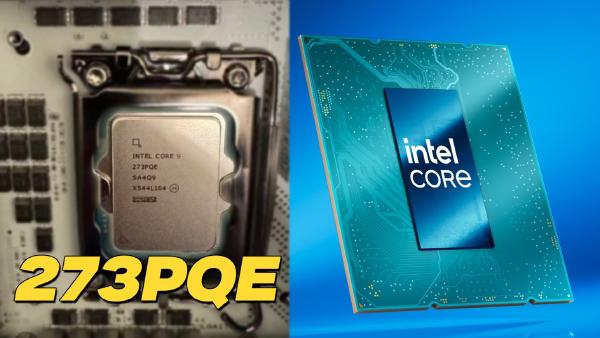
Intel has announced its intention to maintain a strong focus on its Raptor Lake CPU lineup, emphasizing its significance in the current landscape of rising PC building costs. As first reported by Wccftech, this decision underscores the company’s strategy to navigate the ongoing challenges in the DRAM and component markets.
Launched in 2022, the Raptor Lake family has been pivotal for Intel, especially with its subsequent refresh in 2023. The 13th and 14th generation processors have gained recognition for their impressive multithreading capabilities and gaming performance. However, they have also faced challenges, notably regarding voltage fluctuations that can impact stability and performance.
Despite these issues, Intel’s commitment to the Raptor Lake architecture reflects a broader industry trend where manufacturers are striving to balance performance with affordability. As the costs associated with building a gaming PC continue to climb, driven by factors such as supply chain disruptions and increased demand for components, Intel aims to offer viable solutions that maintain competitive pricing and capabilities.
Raptor Lake processors, which utilize a hybrid architecture combining performance and efficiency cores, have been well-received by enthusiasts and gamers alike. This dual-core structure enhances multitasking and overall system responsiveness, making it an attractive option for a variety of workloads. Intel’s ongoing enhancements in this area aim to mitigate any performance concerns that stem from the previously mentioned voltage issues.
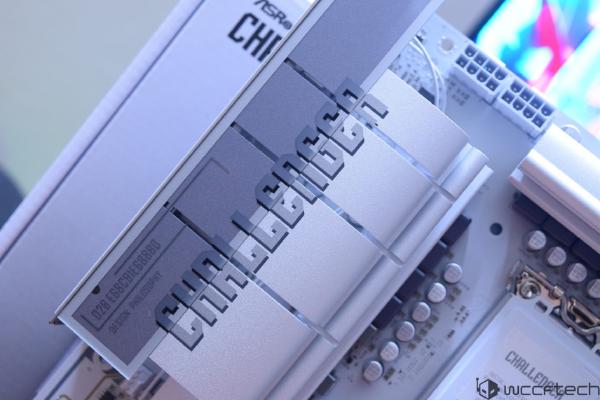
In the face of economic pressures, Intel’s strategy includes continued innovation and support for hybrid motherboards that accommodate both DDR5 and DDR4 memory. This flexibility not only eases the transition for users looking to upgrade their systems but also helps in managing costs, as DDR4 remains a more budget-friendly option compared to its newer counterpart.
As the company continues to refine its offerings, it is also likely to address the voltage fluctuations that have affected Raptor Lake CPUs. Ensuring stable performance is crucial for maintaining consumer trust and satisfaction, particularly among gamers who rely on consistent and reliable hardware.
Intel’s focus on Raptor Lake comes at a critical time when many builders are reevaluating their hardware choices. The combination of rising prices across components and an increasingly competitive market necessitates that manufacturers like Intel deliver both performance and value. By maintaining its commitment to the Raptor Lake series, Intel aims to solidify its position in the CPU market while responding to the evolving needs of PC builders.
As the hardware landscape changes, Intel’s Raptor Lake CPUs are set to remain a key element of its strategy. The company’s approach reflects a recognition of the challenges faced by consumers today, emphasizing the importance of providing effective solutions amidst rising costs and technical hurdles.
Intel, a leader in semiconductor manufacturing, has a long history in the PC market, continuously pushing the boundaries of technology. With Raptor Lake, the company aims to marry performance with the realities of cost in an evolving industry, ensuring that it remains a formidable player in the CPU landscape.
Image credit: Wccftech
This article was generated with AI assistance and reviewed for accuracy.