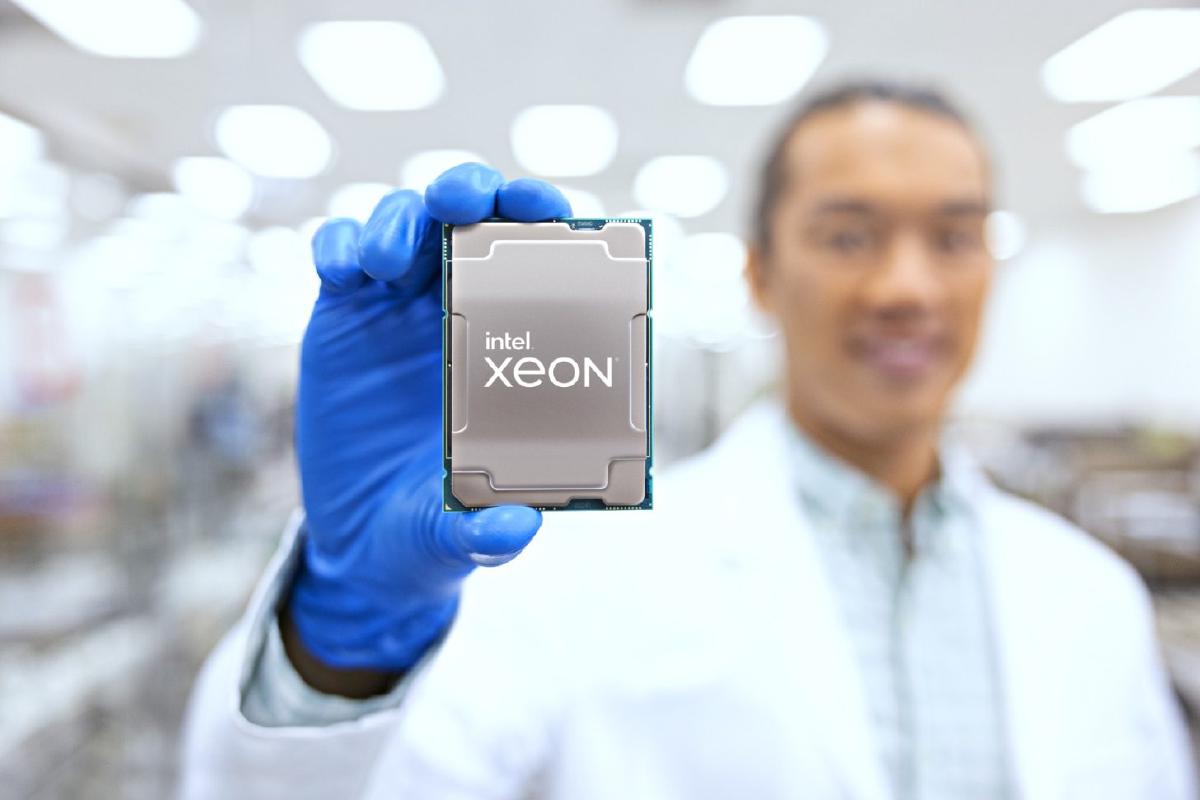
Intel has officially postponed the release of its highly anticipated Diamond Rapids Xeon processors to 2027. Initially slated for launch this year, the delay can be attributed to various factors including yield issues and the cancellation of the 8-channel memory line. As first reported by Wccftech, the Diamond Rapids lineup will now arrive mid-2027, featuring a staggering maximum of 512 cores aimed at enhancing performance for server and data center applications.
The Diamond Rapids series signifies a significant leap in processor technology. These CPUs are designed to cater to demanding workloads, making them crucial for enterprise-level solutions. The architecture aims to improve computational efficiency and scalability, with Intel eyeing substantial performance gains over its predecessors. Alongside the core count increase, the CPUs will support 16-channel memory, allowing for greater bandwidth and improved multitasking capabilities.
While the Diamond Rapids series is being postponed, Intel is looking ahead to its Coral Rapids lineup, which is expected to make its debut in 2028. This new series will reintroduce simultaneous multithreading (SMT) for 8-channel platforms, enhancing the performance of individual cores by allowing them to manage multiple threads simultaneously. This development could represent a strategic shift for Intel as it attempts to compete with rival manufacturers who have successfully implemented similar features in their products.
The delay in the Diamond Rapids launch is particularly notable given the current competitive landscape in the CPU market. Companies like AMD have made significant strides with their EPYC series, which has been well-received in both server and high-performance computing environments. Intel’s ability to innovate and deliver on its promises will be critical as it seeks to reclaim its market position.
Graphics and performance benchmarks for Diamond Rapids are still under wraps, but the anticipation surrounding its core architecture and overall design continues to build. Intel’s commitment to pushing the envelope with high-core-count processors is evident, especially as enterprises increasingly rely on robust server solutions to handle data-heavy applications.
As the technology landscape evolves, Intel’s strategy regarding its Xeon processors will be closely observed. The company must balance innovation with practical timelines to avoid further delays that could hinder its competitive edge. The introduction of Coral Rapids in 2028, with its focus on SMT, could provide a crucial countermeasure in meeting the needs of performance-driven markets.
Intel’s long-standing history in processor development, dating back to the 1970s, has made it a cornerstone of computing technology. With the emergence of more powerful architectures and the rise of competition, the stakes continue to rise for the company and its upcoming releases. The CPU market is at a pivotal point, and Intel’s ability to execute on its delayed plans will play a significant role in shaping its future trajectory.
Image credit: Wccftech
This article was generated with AI assistance and reviewed for accuracy.