Intel is ramping up its efforts to bring its massive Ohio semiconductor manufacturing facility online by 2031, introducing generous overtime bonuses to expedite progress. As first reported by Wccftech, the company is making strides in multiple areas, particularly with its EMIB-T packaging technology, which is nearing a crucial yield milestone.
The ambitious Ohio fab project spans a staggering 1,000 acres and is central to Intel’s strategy to regain its competitive edge in the semiconductor industry. By incentivizing workers through these bonuses, Intel aims not only to speed up construction but also to enhance the overall efficiency of operations within the facility.
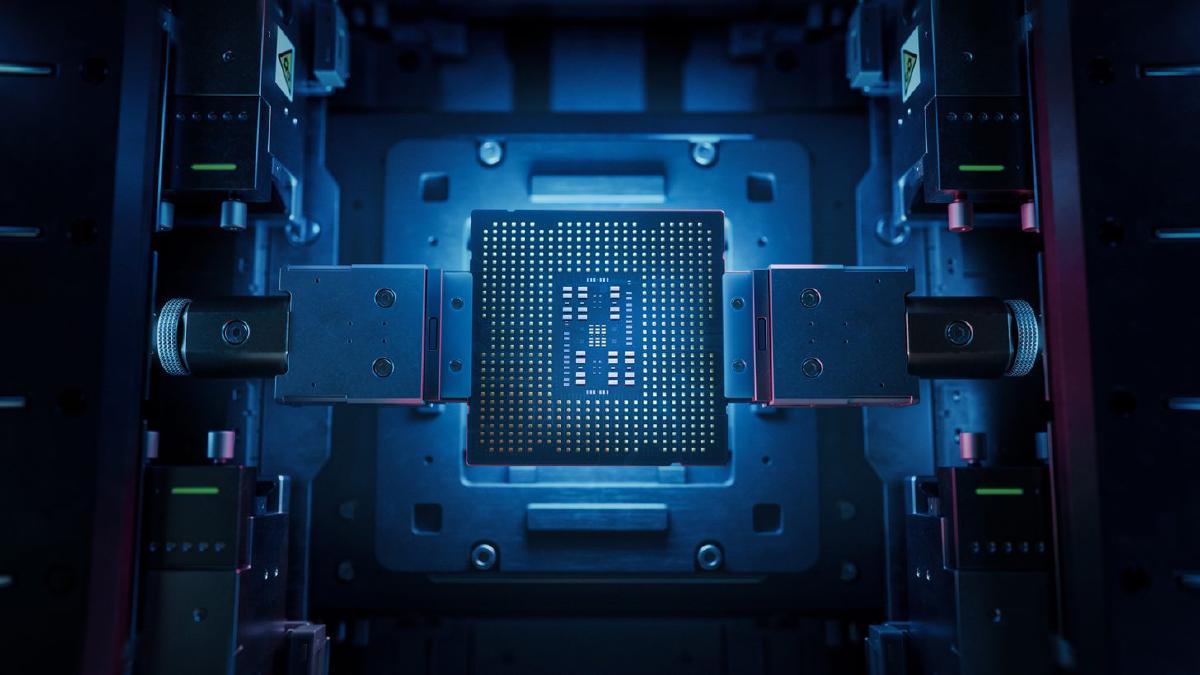
Intel’s EMIB-T packaging technology is also gaining momentum. The latest reports suggest that the substrate yields are the only remaining hurdle, with overall yields approaching an impressive 90 percent. This marks a significant development for Intel, particularly as it looks to position the EMIB-T packaging as a contender against TSMC’s CoWoS-L technology.
The convergence of these factors indicates that Intel is on track to meet its ambitious timeline for the Ohio fab. The facility is a key part of the company’s long-term strategy, which aims to bolster domestic semiconductor manufacturing and reduce reliance on overseas production.
As the semiconductor landscape continues to evolve, Intel’s focus on building a robust workforce in Ohio reflects a commitment to not just meeting market demands but also fostering innovation within the industry. The combination of overtime incentives and advancements in packaging technology demonstrates Intel’s determination to redefine its role in the semiconductor market.
In a competitive environment where companies like TSMC hold significant market share, Intel’s proactive approach provides a glimpse of its aspirations to reclaim leadership in semiconductor production. The Ohio fab is not just a construction project; it represents a pivotal shift for Intel as it invests in the future of technology in the United States.
As the company progresses, it will be interesting to see how these developments unfold and impact the wider tech ecosystem, especially given the urgency surrounding semiconductor supply chains.
Intel is a well-known leader in the technology sector, recognized for its contributions to computer processing units and semiconductor innovation. With the Ohio fab, the company aims to play a pivotal role in reshaping the landscape of semiconductor manufacturing in the United States.
Image credit: Wccftech
This article was generated with AI assistance and reviewed for accuracy.