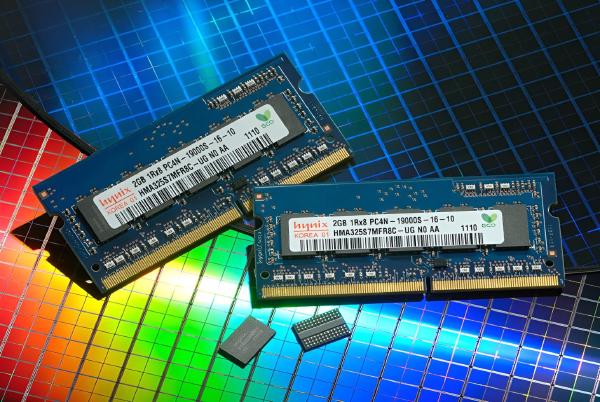
Recent developments in the memory market indicate that major companies in the artificial intelligence sector, commonly referred to as hyperscalers, are increasingly entering into long-term contracts with memory suppliers. This strategy aims to ensure a reliable and consistent supply of DRAM, even amid concerns about a downturn in the memory industry. As first reported by Wccftech, this shift suggests a complex dynamic where hyperscalers are willing to take significant risks to secure necessary resources for their operations.
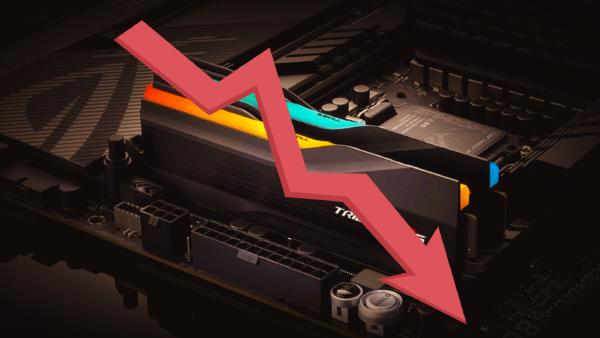
The memory market has seen heightened volatility in recent weeks, driven by fears of an impending decline. Retailers and supply chain insiders have expressed apprehension over the impact of Google’s new TurboQuant compression algorithm, which is perceived as a potential disruptor that could alter the demand landscape for memory products. This uncertainty has led to a broader selloff of memory stock, fueling concerns among investors about the long-term prospects of the memory industry.
In response to this turbulent environment, hyperscalers are opting for long-term contracts that lock in pricing and availability. This approach not only stabilizes their supply chain but also allows them to better plan for the future. However, this could have ramifications across the broader market, as it may limit the availability of memory components for smaller companies and startups that do not have the same negotiating power.
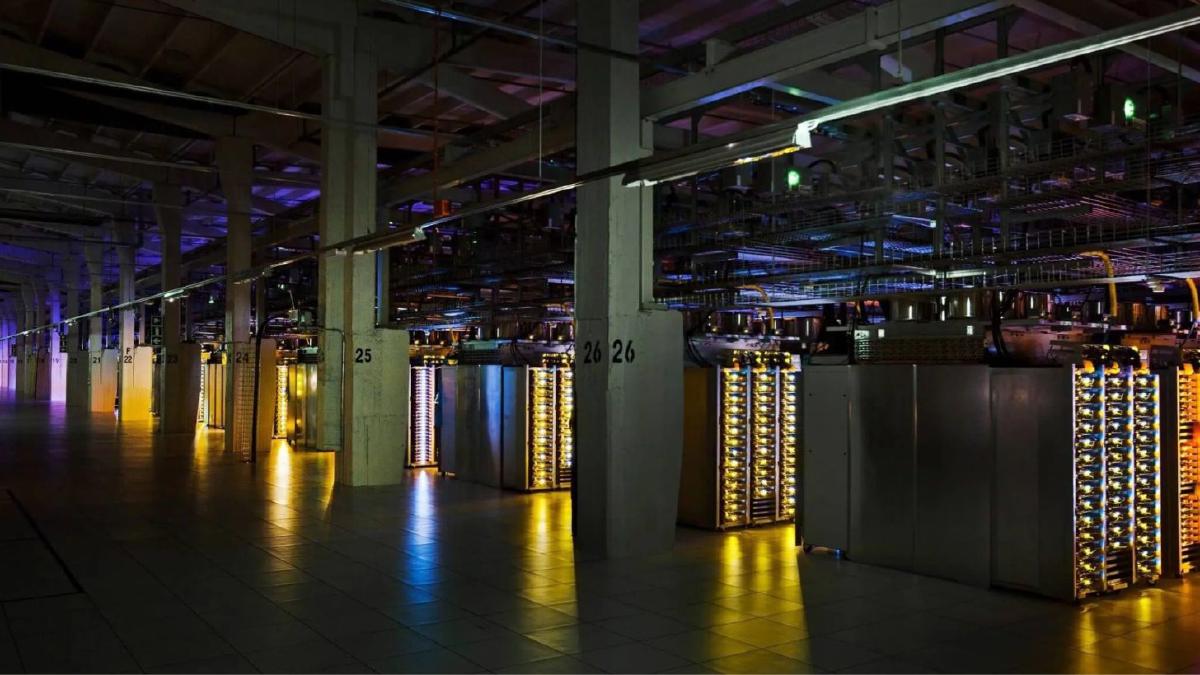
The willingness of hyperscalers to invest in long-term agreements is indicative of their increasing reliance on artificial intelligence and data-intensive applications, which demand substantial memory resources. Companies such as Google, Amazon, and Microsoft are making these commitments to ensure they have the necessary infrastructure to support their growing AI capabilities without disruption.
While securing a stable supply can be beneficial for suppliers, it can create challenges for other players in the memory market. Smaller entities may find themselves at a disadvantage, struggling to acquire resources while hyperscalers hoard supply under long-term contracts. This situation may exacerbate existing inequalities within the tech supply chain and lead to increased prices for essential components.
Additionally, the broader implications of these contracts could affect market pricing and availability for memory products over the coming years. As hyperscalers prioritize their own needs, there is a risk that smaller suppliers may be sidelined, leading to potential shortages and higher costs for consumers and businesses alike.
The memory industry is at a crossroads, with hyperscalers navigating a challenging landscape while trying to secure their technological futures. The long-term contracts being signed reflect a confidence in their growth trajectories, even amidst fears of a market downturn. This strategic move may shape the memory market dynamics for years to come, raising questions about how smaller companies will adapt to these changing circumstances.
As we observe the evolving landscape of the memory market, the focus will undoubtedly be on how smaller players respond to the aggressive strategies employed by hyperscalers. The balance between supply and demand remains delicate, and the steps taken by these tech giants could have lasting impacts on the industry.
Google, a key player in this dynamic, has been instrumental in pushing the boundaries of AI technology with its innovative solutions like the TurboQuant algorithm. The race for memory resources highlights the critical intersection of hardware supply and cutting-edge software development in the fast-paced world of artificial intelligence.
Image credit: Wccftech
This article was generated with AI assistance and reviewed for accuracy.