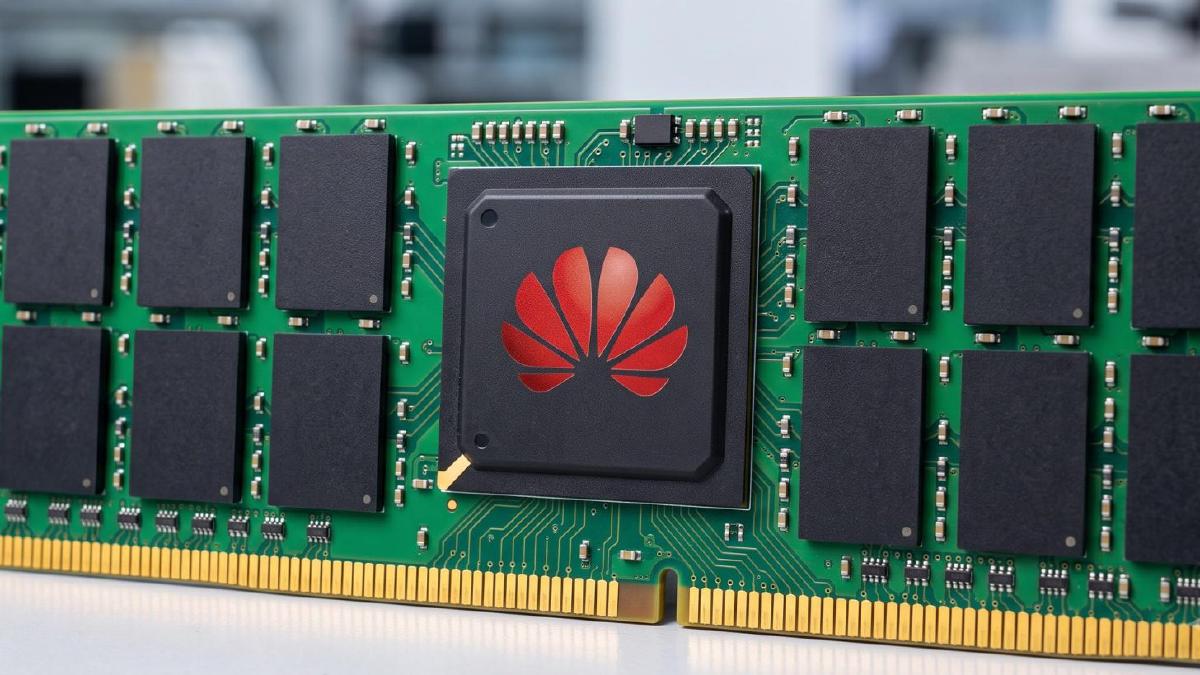
In a strategic move to counteract the ongoing DRAM supply shortage, Huawei is taking a path less traveled by many in the tech industry. Instead of relying on multiple suppliers, like Apple does with its tests of CXMT’s memory chips, Huawei is planning to build its own memory manufacturing plant with the intent to reduce reliance on external sources. This ambitious project aims to break through the challenges posed by U.S. trade restrictions and the booming demand for AI technology, as first reported by Wccftech.
To achieve this, Huawei has enlisted the support of both government entities and Swaysure, a company that specializes in semiconductor manufacturing solutions. Plans for the new facility include a production capacity that could reach an impressive 140,000 wafers per month. This would not only help stabilize Huawei’s supply chain but also offer a potential solution to the broader industry challenges that have contributed to the DRAM shortage.
The current DRAM shortage has impacted various sectors, from consumer electronics to automotive industries, where reliance on memory chips is critical. Industry players are scrambling to secure adequate supplies, and Huawei’s initiative could significantly alter the landscape. By establishing its own production capabilities, Huawei is positioning itself as a player willing to take risks in a market that has seen many companies falter under the pressure of supply constraints.
This bold approach reflects Huawei’s broader strategy to innovate and adapt in an increasingly competitive market affected by geopolitical tensions. Trade sanctions imposed by the U.S. have forced many tech companies to rethink their supply chains, leading to a surge in the demand for more localized production options. Huawei’s decision to build its own facility not only works toward mitigating its vulnerability to external factors but also signals a shift toward self-sufficiency in the semiconductor space.
In the face of these challenges, the semiconductor industry must evolve. Huawei’s initiative is emblematic of a growing trend where companies are seeking to regain control over their supply chains by investing in domestic production capabilities. This move could inspire other players in the industry to consider similar strategies as they navigate the complexities of global trade and technological advancement.
As the tech landscape continues to evolve with rapid advancements in AI and increased demand for memory solutions, Huawei’s commitment to building a DRAM manufacturing plant represents a significant step forward. This undertaking is likely to have long-term implications, not only for Huawei but for the semiconductor industry as a whole.
With its legacy rooted in innovation and resilience, Huawei’s foray into DRAM production could serve as a beacon for smaller firms and emerging players in the space. By championing self-sufficiency and investing in future technologies, Huawei is not just addressing current shortages but also laying the groundwork for a more stable and sustainable semiconductor landscape.
Huawei is a leading global technology company known for its telecommunications equipment and consumer electronics, including smartphones and cloud services. The company has increasingly focused on semiconductor manufacturing as a response to international trade challenges and the growing demand for advanced technology solutions.
Image credit: Wccftech
This article was generated with AI assistance and reviewed for accuracy.