The landscape of China’s artificial intelligence market is undergoing a significant transformation, with Huawei poised to capture a staggering 60% market share following NVIDIA’s decision to exit. This change comes as a direct result of evolving U.S. trade policies that have prohibited the sale of advanced AI chips to China, effectively eliminating NVIDIA’s presence in the region.
NVIDIA, recognized as the leading company in the AI chip sector, has found its share drop to zero in the Chinese market. This shift has opened the door for local manufacturers to expand their production capabilities and cater to the burgeoning demand for AI technologies within the country. As first reported by Wccftech, this situation has spurred domestic firms, particularly Huawei, to significantly increase their output and investment in AI chip development.
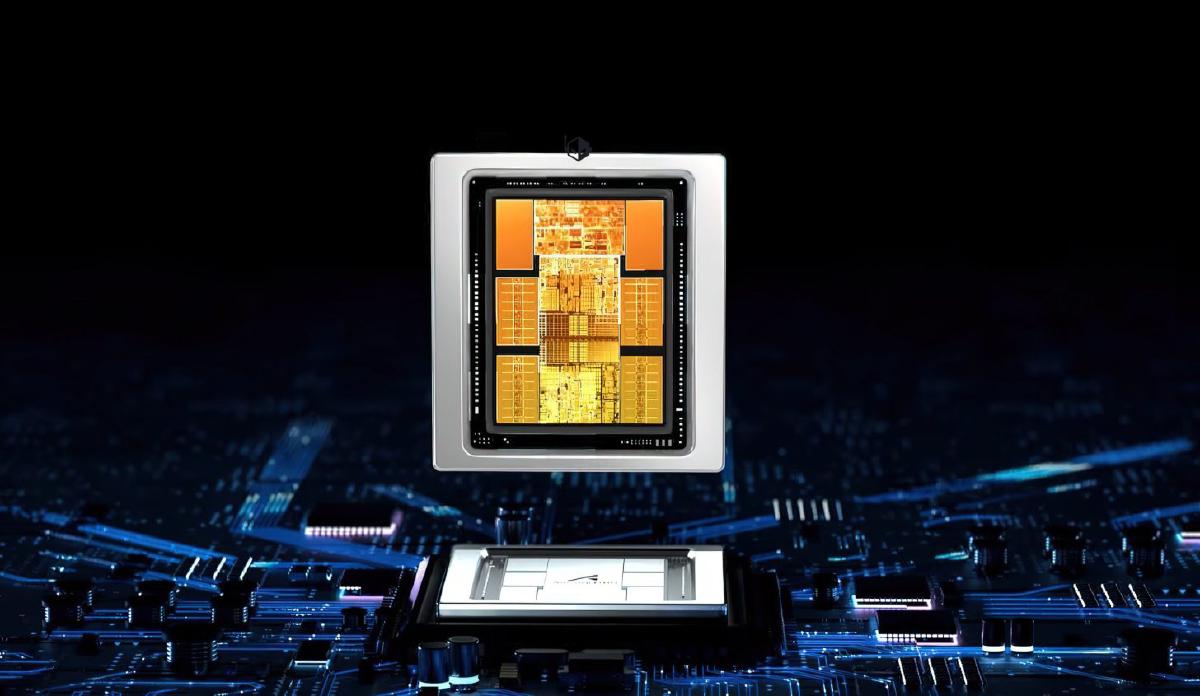
The U.S. government’s ban on advanced AI chip sales to China has fundamentally altered the dynamics of competition in the AI sector. With NVIDIA sidelined, companies like Huawei are seizing the opportunity to solidify their positions. The Huawei AI strategy focuses on leveraging its existing technological infrastructure to enhance capabilities in AI applications, such as cloud computing, autonomous driving, and smart city solutions.
Analysts predict that Huawei’s dominance in the AI market may set the stage for its products and technologies to not only thrive domestically but also potentially expand into international markets as they refine their offerings. This shift underscores the growing emphasis on self-sufficiency in China’s tech sector, which has been a core tenet of government policy in recent years.
In addition to Huawei, several other Chinese companies are ramping up their efforts to fill the void left by NVIDIA. Enterprises such as Alibaba and Baidu are increasing investments in AI research and development. This collaborative push among local firms aims to reduce reliance on foreign technology and foster innovation within China’s tech ecosystem.
As the competition heats up, the long-term implications for the global AI market are significant. A robust Chinese AI sector could challenge established players, potentially reshaping the technological landscape. Domestic firms are not only focusing on hardware but also on developing software and applications that could enhance the usability and integration of AI technologies in various sectors.
Future benchmarks and performance metrics from these local firms will be critical in determining their ability to compete on a global scale. Investors and tech enthusiasts alike will be observing closely how Huawei and its peers capitalize on this unprecedented opportunity.
Overall, the exit of NVIDIA from the Chinese AI market serves as a pivotal moment, allowing local firms like Huawei to assert their influence and drive innovation in a field that is becoming increasingly central to global technological advancements. As these companies grow in stature, the international tech community must consider the shifting balance of power and the implications it may have for future collaboration and competition.
Huawei, founded in 1987, has evolved from a telecommunications equipment provider to a leading player in various tech sectors, including AI and cloud computing. The company’s strategic direction aims to harness cutting-edge technologies to not only secure its market position but also contribute to the broader digital transformation within China and beyond.
Image credit: Wccftech
This article was generated with AI assistance and reviewed for accuracy.