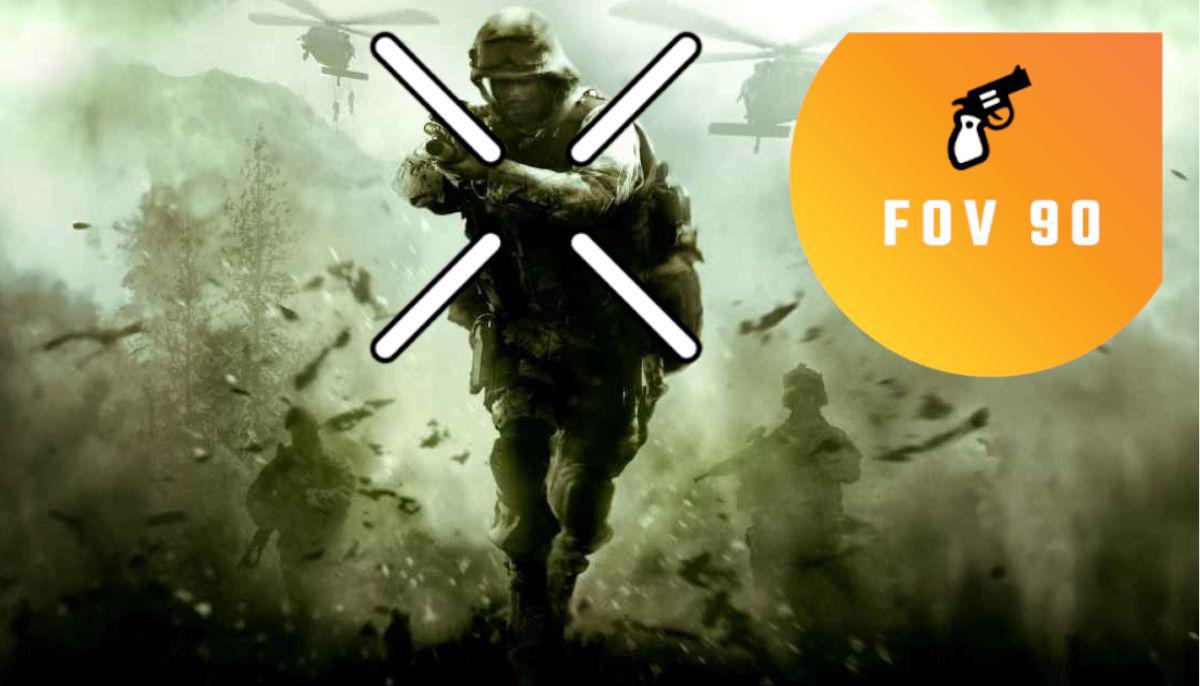
The presence of hit markers in first-person shooters (FPS) has sparked a heated debate among players and developers alike, prompting discussions about their influence on gameplay and skill development. While these visual cues are designed to provide immediate feedback on a player’s performance, critics argue that they may unintentionally serve as a crutch, diminishing the overall challenge of mastering shooting mechanics. As first reported by PC Gamer, this topic has gained traction as players reflect on their experiences in various popular titles.
Hit markers have long been a staple in FPS games, offering players a clear indication of whether their shots are hitting the target. In games like “Call of Duty” and “Battlefield,” these indicators serve both to inform and to reward accuracy. However, some members of suggest that their presence could lead to a reliance on the visual feedback, making players less attentive to essential skills such as aiming and understanding bullet trajectory.
Critics of hit markers argue that they might create a false sense of security, allowing players to engage in reckless shooting without fully grasping the intricacies of gunplay. This reliance can lead to a less satisfying experience, particularly in competitive settings where precision and skill are paramount. Players may find that improving their aim becomes less critical when they can rely on hit markers, potentially stunting their growth as sharpshooters.
Supporters of hit markers counter that these indicators enhance gameplay by making it more accessible, particularly for newcomers who may struggle with the often unforgiving mechanics of FPS games. By providing immediate feedback, hit markers can help players gauge their performance and make necessary adjustments without facing the frustration of missing shots repeatedly. This feedback loop can encourage players to participate more actively, fostering engagement in a genre that often intimidates newcomers.
Game developers are becoming increasingly aware of the concerns surrounding hit markers, and some have started to explore alternatives. Certain titles have implemented diminished or customizable feedback systems, allowing players to adjust hit marker visibility based on their preferences. This approach aims to strike a balance between accessibility for new players and maintaining a challenge for seasoned veterans.
The debate surrounding hit markers also raises broader questions about game design philosophy. Developers must weigh the benefits of intuitive mechanics against the potential for diminishing player skill. By fostering a sense of accomplishment through skill mastery, games can create a more rewarding experience that encourages players to develop their abilities over time.
As the conversation continues, it’s evident that the impact of hit markers extends beyond mere visual feedback. They influence player behavior, skill acquisition, and overall gameplay experiences. Whether they are viewed as a helpful tool or a detrimental crutch, hit markers will likely remain a focal point in discussions about FPS design and player engagement.
In the realm of first-person shooters, studios like Activision and DICE have long been at the forefront of creating titles that define the genre. As they continue to innovate and respond to community feedback, the ongoing discussion about hit markers and their impact on player skill development will undoubtedly shape the future of how these games are designed and played.
Image credit: PC Gamer
This article was generated with AI assistance and reviewed for accuracy.