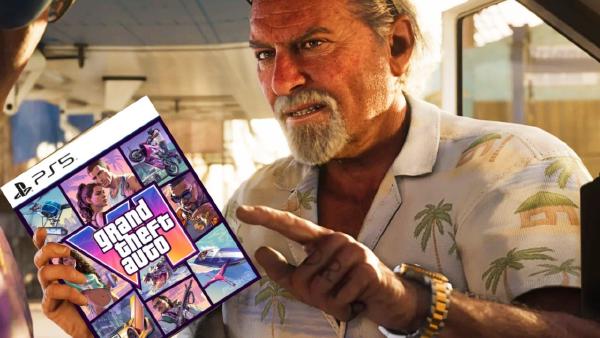
The recent partnership between Rockstar Games and Netflix to promote the highly anticipated Grand Theft Auto VI has stirred a lively conversation about the ethics of advertising and piracy in the gaming world. As first reported by PC Gamer, this collaboration has left fans pondering whether advertising itself can be subject to piracy, opening a Pandora’s box of questions about ownership and consumer rights.
Combining the cinematic flair of Netflix with the immersive world of GTA 6 is an intriguing move for both companies. Drawing on the massive fanbase of the Grand Theft Auto franchise, Rockstar aims to utilize Netflix’s platform not just to showcase trailers, but to create an entire promotional ecosystem around the game. As this relationship develops, many gamers are left wondering: if a promotional video can be pirated, would that constitute a form of stealing, or simply a reflection of fans wanting to experience the content?
The discussion surrounding piracy has always been contentious within , and this new partnership adds another dimension. Gamers often grapple with the moral implications of downloading or sharing content without proper authorization. With this Netflix collaboration, some argue that promotional material should be treated differently since it is designed to attract players rather than act as a fully realized product for sale. Others, however, raise concerns that all forms of digital media, including promotional content, should be protected from unauthorized distribution.
This complex conversation is further enriched by the context of the gaming industry itself. The landscape has shifted dramatically over the last decade, with many developers adopting a range of business models, from traditional purchases to free-to-play models supported by microtransactions. As consumers become more aware of their options, the debate surrounding the value of content,and what constitutes fair use,has only intensified.
While this partnership is still in its infancy, Rockstar has a long history of pushing boundaries. Known for its commitment to immersive storytelling and dynamic gameplay, the studio has consistently delivered titles that resonate with players on an emotional level. Grand Theft Auto VI promises to build on this legacy, and the collaboration with a major streaming service like Netflix may just how marketing is approached in the industry.
The implications of a world where advertising and entertainment intertwine could reshape not only how consumers interact with content, but also how they perceive ownership and value in gaming. As this partnership unfolds, it will be crucial to monitor the reactions from both fans and critics.
As the conversation grows, players will need to consider their stance on piracy, advertising, and the evolving nature of gaming. Will they embrace this innovative approach, or will questions of ethics and ownership lead to a backlash against both companies?
Rockstar Games, a subsidiary of Take-Two Interactive, continues to be a powerhouse in the industry, known for its open-world titles and intricate narratives. As for Netflix, the streaming giant has slowly ventured into gaming, and this collaboration with a beloved franchise like GTA could signify a new chapter in interactive storytelling.
As we await more details about this exciting partnership, one thing is clear: the gaming space is always ripe for debate, and the intersection of gaming and advertising is a topic that will keep conversations buzzing for years to come.
Image credit: PC Gamer
This article was generated with AI assistance and reviewed for accuracy.