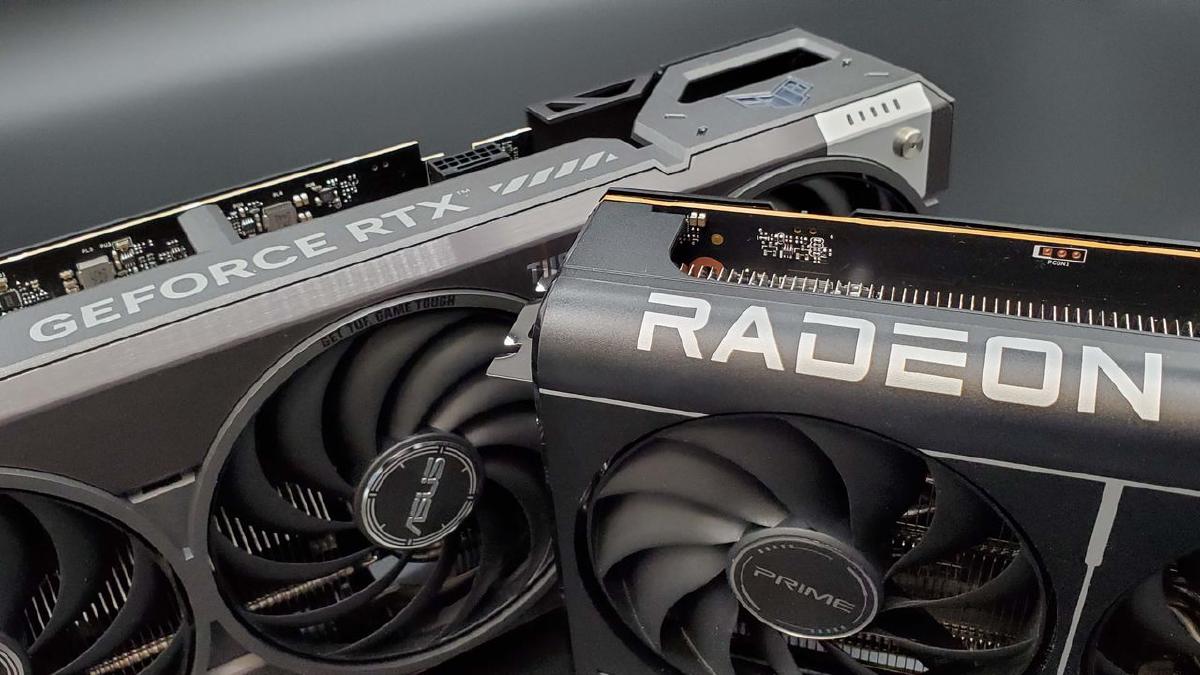
The landscape of PC gaming is facing a significant challenge as prices for graphics cards have soared to unprecedented levels. For individuals looking to build or upgrade their gaming rigs, this has created a tricky environment. As first reported by PC Gamer, the current market situation reveals steep increases in GPU prices, which have reached a new peak over the last year.
According to recent data, the average cost of graphics cards has jumped dramatically, with some models experiencing price hikes exceeding 50%. This trend has been exacerbated by ongoing supply chain issues, labor shortages, and increased demand from both gamers and cryptocurrency miners. The combination of these factors has led to a situation where the affordability of high-performance GPUs is becoming increasingly elusive for many gamers.
For context, last year’s GPU price levels were already concerning, but current statistics indicate that things have taken a turn for the worse. Entry-level options that previously cost around $200 now sit closer to the $400 mark, while mid-range GPUs have crossed the $600 threshold. High-end cards, such as those from NVIDIA’s RTX 30 series and AMD’s RX 6000 series, are frequently listed at prices well above their suggested retail values.
The implications for gamers are significant. Those hoping to upgrade their systems in preparation for new titles or to enhance their gaming experience may find themselves locked out of the market, unable to justify the inflated prices. Even casual gamers, who might have previously purchased a new GPU without much hesitation, are now left weighing options against their budgets.
The issue is not limited to just the price of cards themselves. Secondary market prices have also seen a spike, with resellers capitalizing on the scarcity of new stocks. Platforms like eBay and other online marketplaces are flooded with listings at inflated prices, further complicating the ability of the average consumer to purchase graphics cards.
As manufacturers like NVIDIA and AMD navigate this tumultuous landscape, there are signs they are attempting to stabilize the supply chain. Initiatives to increase production capacity and manage distribution more effectively have been put in place, but with current demand levels remaining high, it may take time for these measures to reflect positively in consumer pricing.
In the tech industry, the repercussions of high graphics card prices extend beyond individual gamers. PC builders are feeling the pinch as well, with many reconsidering their upgrade paths or delaying purchases entirely. This slowdown could impact hardware sales across the board, affecting not only GPU makers but also those who produce related components like motherboards and power supplies.
While the situation remains fluid, it’s clear that gamers and PC enthusiasts are facing a challenging period. The hope is that as supply chains recover and production ramps up, prices may eventually return to more manageable levels. Until then, many will have to search for alternatives or make adjustments to their planned builds.
For those unfamiliar, graphics cards are essential components for rendering visuals in modern video games, and their performance can significantly impact the gaming experience. Companies like NVIDIA and AMD are at the forefront of this technology, constantly pushing the envelope for performance and efficiency. However, the current market dynamics present a stumbling block for both companies and consumers alike.
As the industry continues to evolve, keeping a close eye on these developments will be crucial for anyone looking to make informed decisions in the PC gaming space.
Image credit: PC Gamer
This article was generated with AI assistance and reviewed for accuracy.