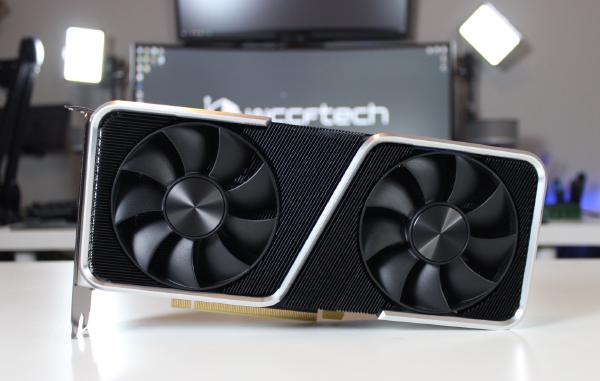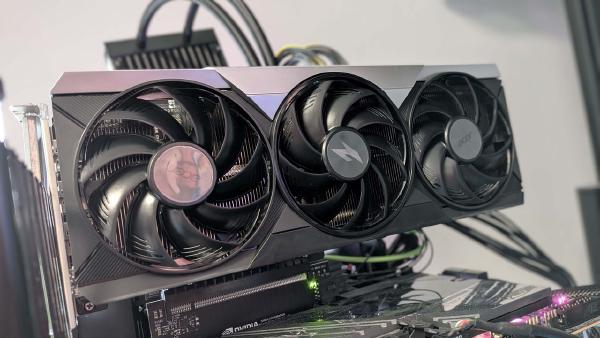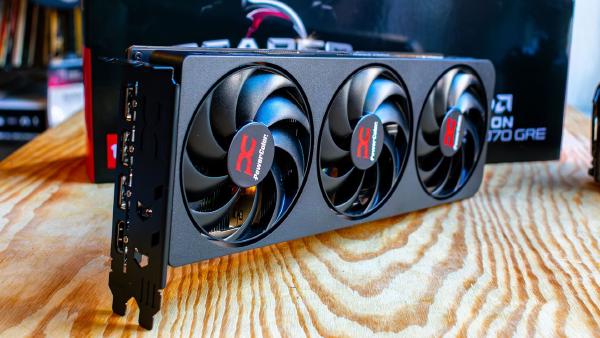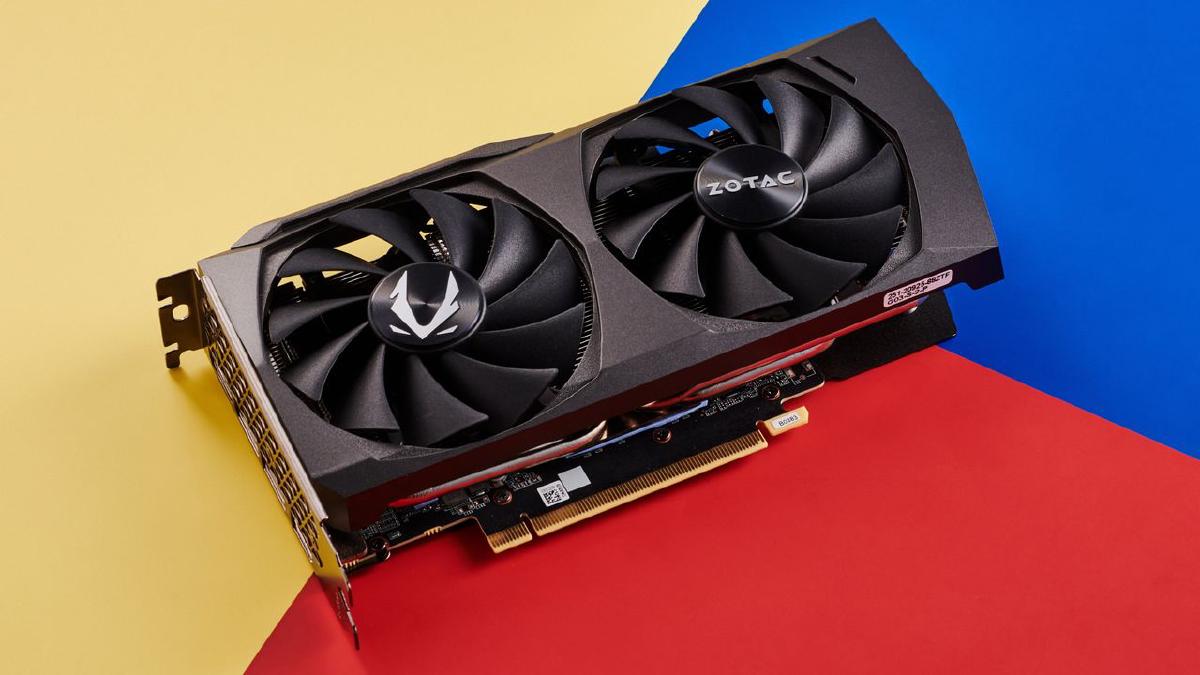
The graphics card market is facing a significant supply crisis that could lead to rising prices for consumers, as first reported by PC Gamer. The current situation is being driven by a combination of supply chain issues and increased demand for high-performance GPUs, particularly as more games require advanced graphical capabilities.
Recent reports indicate that supply shortages are being exacerbated by ongoing geopolitical tensions and manufacturing delays. These factors have led to a reduction in production output from major GPU manufacturers, further straining the market. As a result, prices are expected to climb sharply in the coming months, making it increasingly difficult for gamers and system builders to find affordable options.
The crunch comes at a time when demand for powerful GPUs is surging, fueled by the growing popularity of high-resolution gaming, virtual reality experiences, and computing tasks that require intensive graphical processing. This spike in demand has created a perfect storm, pushing available inventory to critical lows. Retailers are reportedly seeing stock levels dwindle, and what little supply remains is often sold at inflated prices.
Additionally, the ongoing transition to newer architectures, such as Nvidia’s Ada Lovelace and AMD’s RDNA 3, has led to some complications in the manufacturing pipeline. These advanced technologies promise significant performance improvements but also require updated production techniques and materials. This transition period is often tumultuous, and the current landscape is no exception.
Industry experts warn that this combination of factors could lead to a prolonged period of scarcity in the GPU market. As manufacturers struggle to ramp up production, consumers may find themselves facing even steeper price tags. In some instances, prices for high-end graphics cards have already reached levels that would have been unthinkable just a year ago.
For PC builders and gamers looking to upgrade, this means that acting sooner rather than later may be the best strategy. Waiting for prices to stabilize could result in missed opportunities, as current inventory levels suggest that the supply constraints will persist.
The impact of these shortages extends beyond just consumers. Game developers, particularly those working on graphics-intensive titles, could face delays in production schedules as they grapple with the inability to access the necessary hardware for testing and optimization. This could slow down the overall pace of game development and release timelines, further affecting the ecosystem.
As the industry continues to adapt to these challenges, there is hope that supply may eventually catch up with demand. Manufacturers are likely to prioritize ramping up production capabilities, and as new manufacturing processes are introduced, the situation could gradually improve. However, in the short term, consumers should prepare for a market that remains volatile and unpredictable.
For now, those interested in upgrading their graphics capabilities may need to explore alternative options, such as purchasing used hardware or considering lower-tier models that may still deliver respectable performance without breaking the bank.
As the situation evolves, staying informed about market trends and pricing fluctuations will be essential for anyone looking to invest in new PC hardware.
Nvidia and AMD, leading players in the GPU market, continue to innovate and adapt their strategies in response to these challenges, aiming to balance supply with the insatiable demand for cutting-edge graphics technology.
Image credit: PC Gamer
This article was generated with AI assistance and reviewed for accuracy.