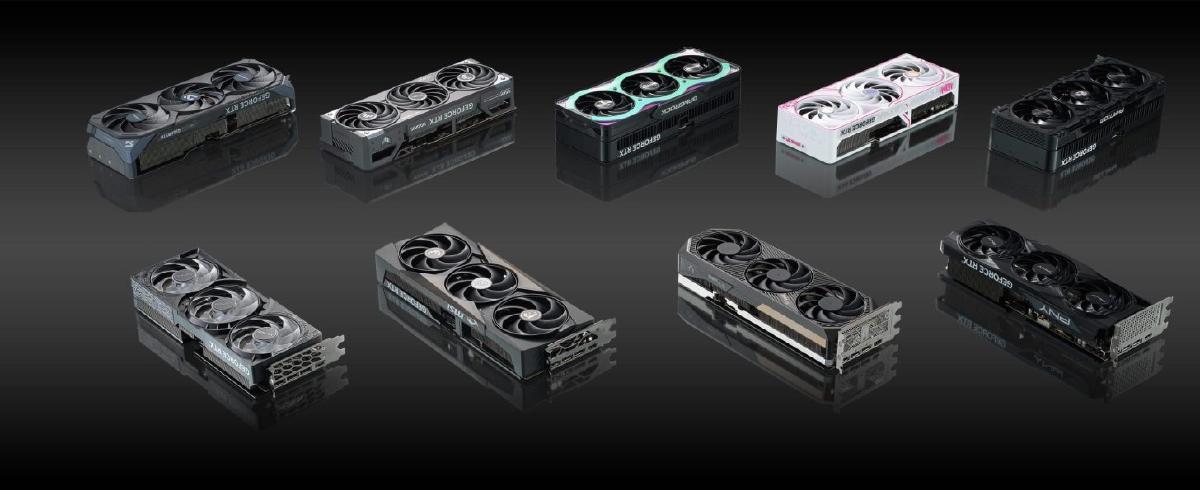
Recent reports indicate a significant spike in graphics card prices in China, driven largely by rising costs associated with GDDR6 and GDDR7 memory. This trend affects products from all major GPU manufacturers, including NVIDIA and AMD. As first reported by Wccftech, the price increases have been staggering, with some memory component costs soaring up to ten times their previous levels.
The ongoing memory shortages have made it increasingly difficult for manufacturers to maintain stable pricing for their graphics cards. NVIDIA, AMD, and Intel have been grappling with these price hikes, but the situation has now escalated to a point where retailers are beginning to stockpile GPUs in anticipation of even higher future costs.
The surge in prices is not limited to just the graphics cards themselves; it also extends to the components that make up these products. The rising costs are attributed to a combination of supply chain issues, increased demand for high-performance gaming and computing, and the ongoing global chip shortage. As manufacturers struggle to source affordable GDDR memory, the impact is felt across the board, from entry-level cards to high-end models.
Retailers in China are reacting by increasing their prices, and some are even limiting stock to mitigate the losses they might incur from the rapid inflation of component costs. This situation poses a challenge for gamers seeking to upgrade their hardware or build new rigs, as the market adjusts to these unprecedented price shifts.
The difficulties in sourcing GDDR6 and GDDR7 memory are particularly notable, as these types of memory are critical for modern gaming performance. As games become increasingly demanding in terms of graphics fidelity and processing power, the reliance on such high-performance memory is paramount. With prices continuing to rise, the prospect of affordable upgrades or new builds may soon become a distant hope for many gamers.
Furthermore, the situation reflects broader issues within the tech industry, which has seen similar patterns of price increases across various hardware sectors. The demand for GPUs has surged due to the rise of gaming, content creation, and professional workloads that require substantial graphical power. As a result, the competition for limited resources has intensified, further driving up prices.
In response to these challenges, some companies are exploring alternative memory technologies or working to optimize their supply chains to reduce costs. However, these solutions may take time to implement, and consumers may have to endure higher prices for the foreseeable future.
The increase in GPU prices in China serves as a stark reminder of the fragility of global supply chains and the interdependencies that characterize the tech industry. While the hope is that conditions will improve, the current landscape suggests that gamers should prepare for a more expensive market moving forward.
As the situation evolves, it will be crucial for gamers to stay informed about pricing trends and availability, as these factors will significantly influence purchasing decisions in the coming months.
AMD and NVIDIA, both leaders in the graphics card market, have a storied history of innovation and competition. As they navigate these challenges, their ability to adapt to changing market conditions will determine their success in maintaining consumer trust and market share.
Image credit: Wccftech
This article was generated with AI assistance and reviewed for accuracy.