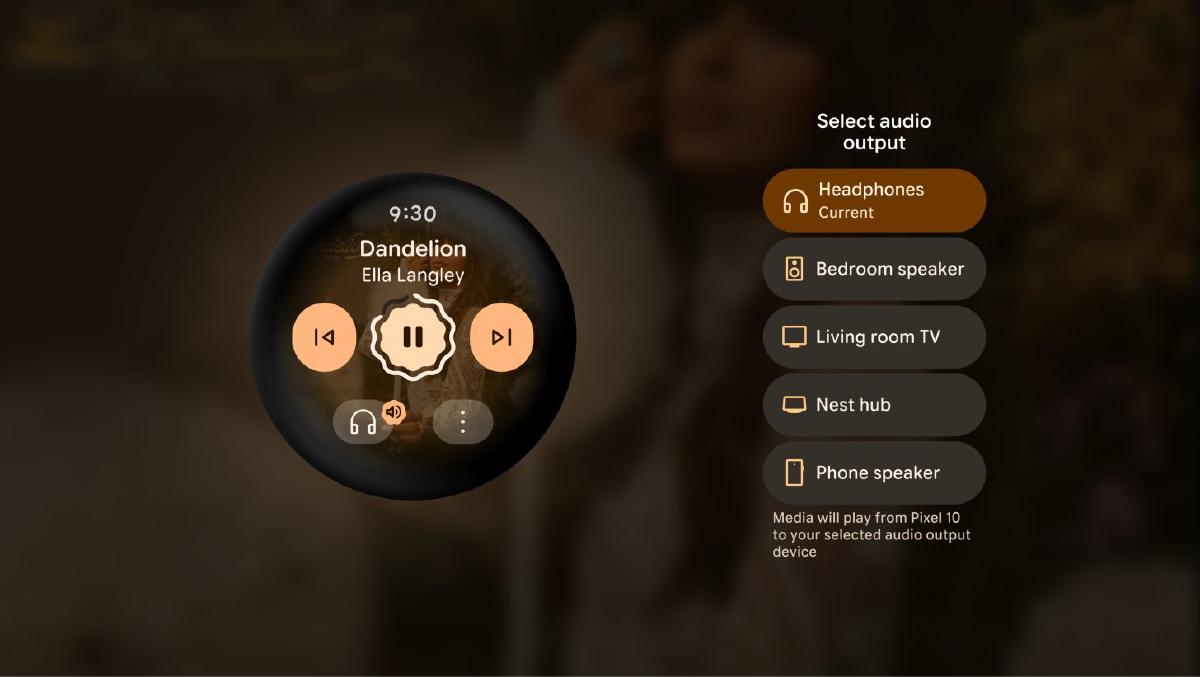
Google has unveiled WearOS 7, a significant update that enhances smartwatch functionality by replacing the old Tiles system with a new widget format. As first reported by Wccftech, this update not only modernizes the user interface but also promises a 10% improvement in battery life, which is crucial for users who rely heavily on their devices throughout the day.
One of the standout features of WearOS 7 is the introduction of Wear Widgets. These widgets come in both 2x1 and 2x2 sizes, mirroring the popular widget layout found on smartphones. This change aims to provide users with a more intuitive and familiar way to access information directly on their wrists. The shift from Tiles to Widgets signifies a commitment by Google to streamline user interaction and enhance the overall utility of smartwatches.
In addition to the new widget format, WearOS 7 incorporates Gemini Intelligence, a feature that optimizes performance by learning from user behavior. This AI-driven component is expected to improve not just battery performance but also the responsiveness of the smartwatch, making it a more reliable companion for daily tasks.
Another noteworthy enhancement in WearOS 7 is the implementation of Live Updates, which allows users to access real-time information directly on their watch faces. For instance, users can track deliveries or rides without having to pull out their phones, thereby enhancing convenience and time management in a fast-paced environment.
The combination of widgets, Live Updates, and improved battery life positions WearOS 7 as a compelling option for both new users and those considering an upgrade. With this update, Google aims to compete more fiercely in the smartwatch market, where functionality and battery longevity are critical factors for consumer choice.
WearOS 7 is set to be available on a range of devices, making it accessible to a broad audience. For existing smartwatch owners, this update also signals that their devices can remain relevant and useful, as Google continues to push enhancements through software updates rather than requiring hardware upgrades.
Overall, WearOS 7 appears to be a well-rounded update that not only revitalizes the user interface but also enhances performance through intelligent features and improved battery life. As smartwatches become more integrated into everyday life, Google’s latest offering could play a pivotal role in shaping user expectations and experiences in the wearable tech space.
As a subsidiary of Google, the WearOS platform underpins a variety of smartwatches from numerous manufacturers, including Fossil, Samsung, and TicWatch, among others. This update reflects Google’s ongoing commitment to refining its operating system to better serve the needs of its users while staying competitive in the rapidly evolving tech landscape.
Image credit: Wccftech
This article was generated with AI assistance and reviewed for accuracy.