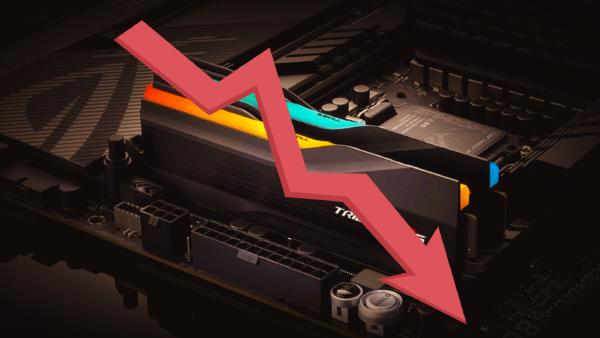
In recent weeks, the memory industry has experienced significant fluctuations, following the introduction of Google’s TurboQuant. The debut of this innovative algorithm initially led to widespread speculation about an end to memory shortages, but experts are now clarifying that this interpretation is misguided. As first reported by Wccftech, the prevailing sentiment in the industry is that demand will continue to outstrip supply for the foreseeable future.
The excitement surrounding TurboQuant stemmed from its promise to optimize memory usage and potentially influence the market dynamics of DRAM and NAND flash memory. However, a report by The Financial Times has cast doubt on the notion that TurboQuant signals the end of memory shortages. According to analysts, the memory sector is still facing high demand, and the decline in DDR prices observed recently does not equate to a surplus or a slowdown in the memory supercycle.
Industry insiders expressed surprise at the intense reaction to TurboQuant. While the algorithm is indeed a powerful tool for analyzing memory performance, it is not a magic bullet that will resolve the ongoing shortages. The consensus among experts is that the market’s demand for memory products will remain robust for several quarters, driven by the needs of artificial intelligence, cloud computing, and other high-tech applications.
Google’s TurboQuant is part of the tech giant’s broader effort to enhance its capabilities in data analytics and machine learning. The algorithm’s introduction has sparked debates not only about its immediate impact on the memory market but also about its long-term implications for how memory resources are managed across various industries. Concerns about misinterpretation of its effects have emerged, indicating that developers and manufacturers must maintain a cautious approach to expectations surrounding memory availability.
The fluctuation in DDR prices over the past few days has further complicated the situation. While prices have dropped slightly, this does not reflect a fundamental shift in supply and demand dynamics. Instead, it may simply be a temporary adjustment as the market continues to grapple with the realities of production capacity and consumer needs.
As the dust settles from the initial reactions to TurboQuant, experts are calling for a measured understanding of its role within the memory sector. It’s not just about the technology itself, but also about recognizing the broader context in which it operates. The memory industry has been characterized by cycles of boom and bust, and while TurboQuant may offer some insights into performance optimization, it does not necessarily herald a new era of abundance.
For those following the developments in this space, it is crucial to keep an eye on market trends and technological advancements. Google’s TurboQuant may have ignited a conversation, but the reality of memory shortages calls for a grounded assessment of how the industry will navigate the challenges ahead.
Founded by tech innovators with a passion for artificial intelligence, Google has consistently pushed the boundaries of technology. TurboQuant represents another step in its quest to harness data for enhanced performance in various sectors, including memory management. As memory demands continue to rise, the industry must adapt and innovate, ensuring that tools like TurboQuant can be effectively utilized to meet the needs of a complex and evolving landscape.
Image credit: Wccftech
This article was generated with AI assistance and reviewed for accuracy.