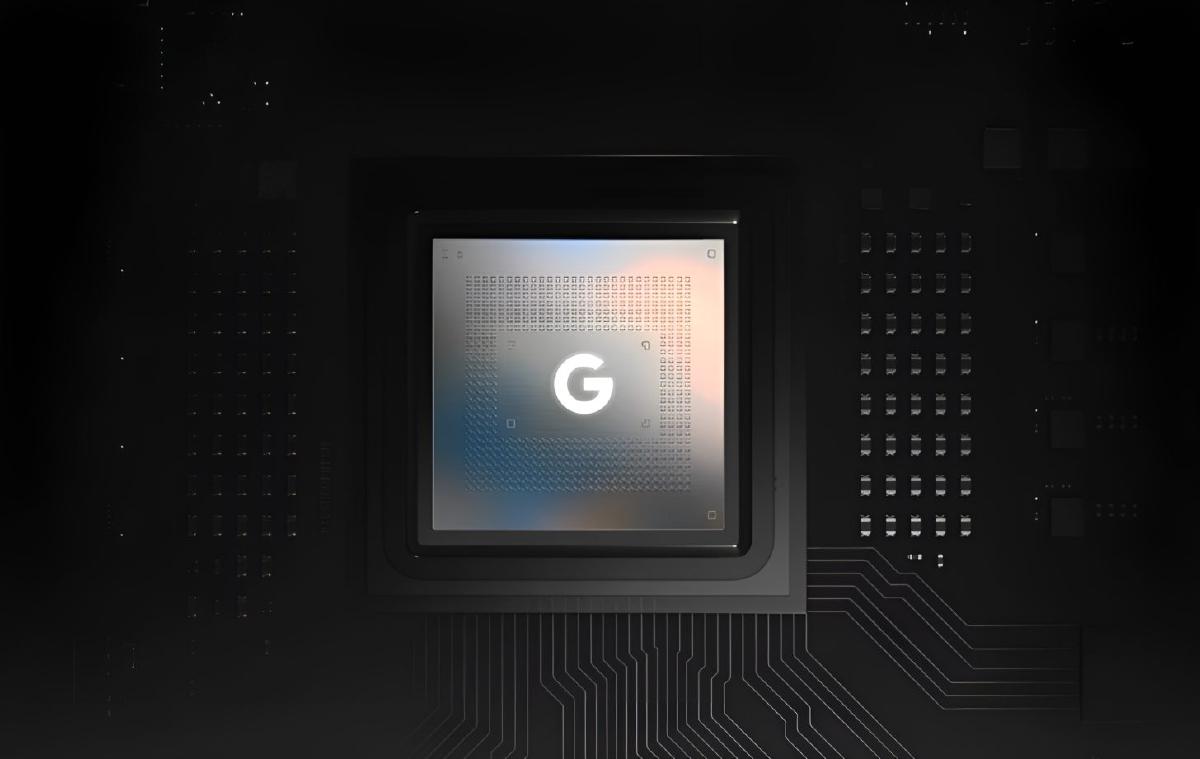
In a concerning development for tech enthusiasts, rumors indicate that Google’s upcoming Tensor G6 chip may be equipped with a GPU that is already five years old. According to a leak first reported by Wccftech, the Tensor G6 is likely to utilize the PowerVR CXT-48-1536 GPU, which originally launched in 2021.
This news follows a critical spotlight on Google’s previous Tensor G5 chip, which also faced backlash for relying on outdated ARM CPU cores. The tech giant has a track record of introducing its Tensor-class chips with components that some might argue hinder their potential, and this latest leak suggests a continuation of that trend.
Analysts and fans alike have voiced their concerns about the performance implications of using an aging GPU. While the PowerVR architecture has been a reliable choice in the past, technology progresses rapidly in the mobile space, and relying on hardware that has been on the market for years raises questions about whether Google is keeping pace with competitors who are constantly innovating.
The Tensor series was initially intended to optimize the performance of Google’s devices, particularly in areas like artificial intelligence and machine learning. However, concerns about the integration of older hardware could undermine the ambitions behind the Tensor G6. If the rumors hold true, users may find that the chip struggles to keep up with modern demands, especially as mobile gaming and high-performance applications continue to evolve.
Industry observers suggest that Google may need to rethink its approach to chip development. With competitors like Apple and Qualcomm consistently pushing boundaries with their own silicon, the company risks falling behind if it doesn’t make significant upgrades to its hardware.
The unreleased Tensor G6’s potential delay in performance could serve as a crucial point of differentiation as consumers weigh their options in a growing market. As gaming on mobile devices continues to gain traction, having top-notch hardware is more important than ever for delivering a seamless experience.
While some may argue that the Tensor G6 will still perform adequately for everyday tasks, it is the more demanding applications,such as gaming and high-resolution video processing,that may suffer. As the gaming landscape becomes increasingly competitive, users may gravitate toward devices that promise superior performance rather than settling for older technology.
As anticipation builds for the launch of the Tensor G6, industry insiders will be closely watching Google’s next moves. The decision to use a five-year-old GPU raises significant questions not just about this chip, but about the company’s strategy in the rapidly evolving tech world. Will Google adapt to challenges, or will it risk stagnation in a fast-paced industry?
Google’s Tensor chips have been at the forefront of the company’s hardware endeavors, aiming to integrate AI more seamlessly into its mobile devices. However, if the upcoming G6 fails to impress due to its outdated hardware, it could impact the perception of the Tensor brand moving forward. As the tech landscape shifts, innovation is key, and users expect their devices to keep up with their digital lives.
Image credit: Wccftech
This article was generated with AI assistance and reviewed for accuracy.