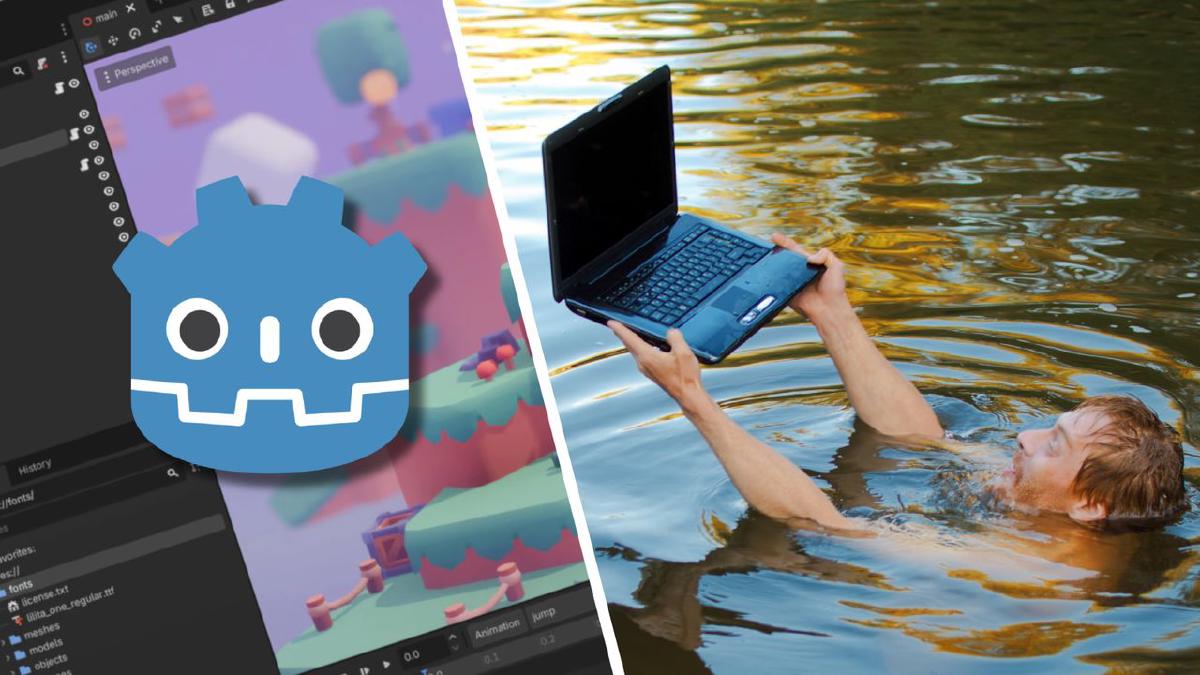
The Godot Engine team has announced a significant policy shift regarding contributions to its open source platform. In a bid to maintain the integrity and quality of code, the team will no longer accept code contributions generated by artificial intelligence. This decision underscores a growing concern within the development community about the reliability of AI-generated outputs and their potential impact on collaborative projects.
As first reported by PC Gamer, the Godot team expressed reservations about the ability of users heavily relying on AI to fully comprehend the code they produce. This concern is rooted in the belief that without a deep understanding of the code’s functionality, developers may struggle to identify and resolve issues, thereby affecting the overall quality of the engine itself.
The Godot Engine, widely appreciated among indie developers, is known for its flexibility and user-friendly interface. By prioritizing human contributions, the team hopes to foster a more engaged community that is committed to understanding and enhancing the codebase. The decision reflects a broader dialogue in the tech and gaming sectors regarding the role of AI in creative processes and coding practices.
In their announcement, the Godot team emphasized the importance of maintaining a high standard of code quality, stating that they want contributors to have a solid grasp of their work. They believe this not only ensures the engine remains robust but also encourages developers to engage more deeply with the coding process.
The move has sparked varied reactions across the community. Some developers applaud Godot’s commitment to quality and craftsmanship, while others view it as a limitation in a rapidly evolving tech landscape. Nonetheless, the decision underscores a critical conversation about the balance between leveraging advanced technologies and maintaining developer expertise.
As the indie gaming scene continues to flourish, the Godot Engine remains a key player, providing tools for creators to bring their visions to life. The engine’s focus on human contributions aligns with its mission to cultivate a strong, informed community of developers dedicated to pushing the boundaries of what’s possible in gaming.
Godot, first released in 2014, has grown into a powerful tool for game developers looking for a free and open-source alternative to mainstream engines. With its emphasis on community and collaboration, the engine has carved out a niche, empowering countless developers to create innovative games without the financial burden of proprietary software.
Moving forward, it will be interesting to see how this decision shapes the Godot community and influences other open source projects. As the conversation around AI continues to evolve, the Godot Engine’s stance offers an important perspective on the future of coding and collaboration in the gaming industry.
Image credit: PC Gamer
This article was generated with AI assistance and reviewed for accuracy.