A recent analysis has shed light on the stark contrast in gaming laptop pricing across different regions, revealing that international consumers often face inflated costs for hardware that U.S. gamers take for granted. As first reported by Wccftech, the realities of tariffs, taxes, and other financial burdens create a challenging landscape for gamers outside the United States.
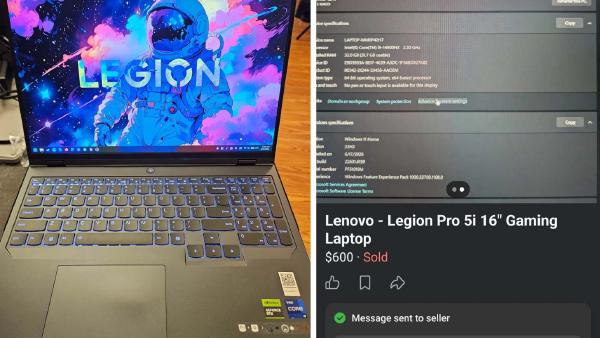
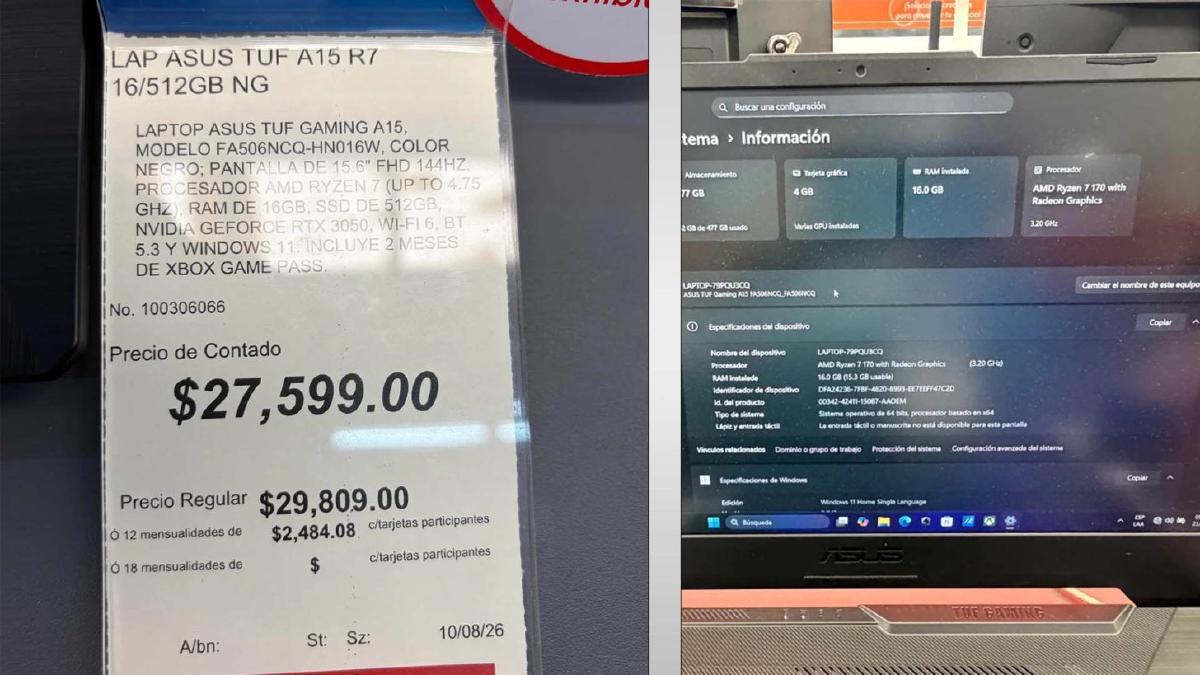
For instance, a gaming laptop equipped with an RTX 3050, which retails for about $1,700 in the U.S., can cost significantly more in other markets. In some cases, consumers are forced to pay nearly $1,620 for an ASUS TUF Gaming A15 with the same GPU, even after discounts are applied. This pricing discrepancy has sparked frustration among international gamers, who lament their situation on forums like Reddit. One user, known as “baldestpianoman,” pointed out how fortunate American customers are when it comes to affordable gaming hardware.
The issues stem from a combination of factors that include inflated tariffs and import duties, which vary dramatically depending on a consumer’s location. Value Added Tax (VAT) also plays a significant role in pushing prices higher. While these taxes can be somewhat understandable in terms of supporting local economies and infrastructure, the impact on gamers looking to purchase high-performance equipment cannot be overstated.
As the demand for gaming laptops continues to climb, especially in the wake of the pandemic, these high prices could deter potential buyers or push them toward less powerful options. This is particularly concerning for smaller developers and indie games that rely on accessible hardware to reach a wider audience. If the barrier to entry for gaming continues to rise, it could limit the growth of the player base for indie titles that thrive on creative gameplay and innovation rather than sheer graphics power.
The ongoing DRAM shortage has also contributed to the challenges faced by manufacturers trying to keep up with demand. As gamers look for devices that can properly run the latest games, the interplay between supply chain constraints and regional pricing issues makes the prospect of owning a top-tier gaming laptop increasingly elusive for many.
While U.S. consumers benefit from a more competitive market that keeps prices relatively low, those in other regions are left to grapple with a hard reality: purchasing a powerful gaming laptop can mean paying a premium. This raises questions about the fairness of pricing structures and accessibility to quality gaming experiences worldwide.
As the gaming landscape evolves, it is crucial to recognize the disparities that exist and advocate for more equitable access to technology. Supporting smaller developers and highlighting overlooked titles is more important than ever, as they often offer unique experiences that deserve a chance to shine, regardless of where gamers are located.
For those interested in exploring the latest indie offerings, be sure to keep an eye on upcoming titles that push the boundaries of storytelling and gameplay while remaining accessible to a broader audience. The future of gaming should not be limited by geography or financial barriers.
In summary, while U.S. gamers enjoy relatively lower prices for gaming laptops, those in other markets face significant hurdles that could hinder their ability to engage with the ever-evolving world of video games.
Image credit: Wccftech
This article was generated with AI assistance and reviewed for accuracy.