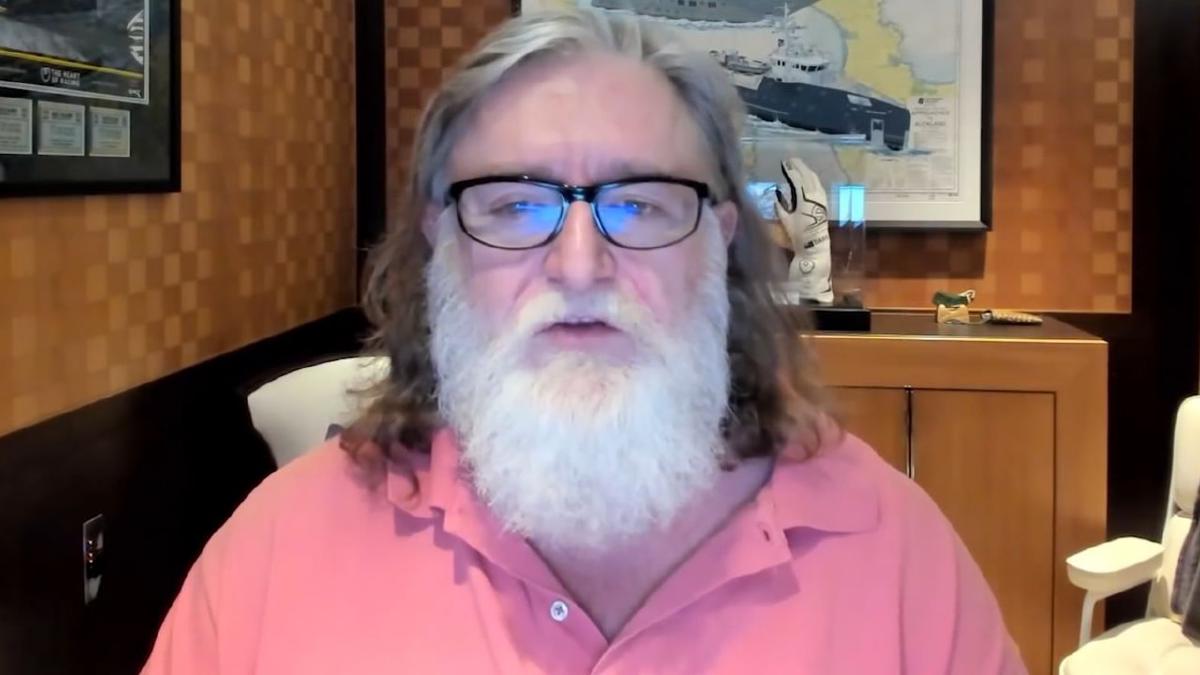
In a candid discussion regarding the evolution of digital distribution platforms, Gabe Newell, co-founder of Valve Corporation, acknowledged that his earlier views on Steam were not entirely accurate. As first reported by PC Gamer, Newell reflected on the ambitions behind Steam and its ongoing journey to improve user experience and developer support.
Newell’s remarks come amidst the backdrop of ongoing industry debates about the effectiveness of digital storefronts. He initially stated that Steam was not “the answer to digital distribution,” highlighting a skepticism about the platform’s potential to fully address the challenges faced by developers and gamers alike. This admission reveals a human side to Newell, a figure often viewed as a visionary in the gaming landscape.
Since its launch in 2003, Steam has transformed the way games are distributed and consumed. Initially, the platform aimed to facilitate easy updates for Valve’s own games like Counter-Strike and Half-Life. However, it has since expanded into a vast marketplace hosting thousands of titles from various developers. The platform’s growth has not been without its pitfalls. Issues such as an overwhelming volume of titles, customer support challenges, and revenue-sharing concerns have plagued the service.
Newell’s recent insights come as Valve gears up for another Steam Next Fest, a week-long event designed to showcase upcoming games and allow players to engage with demos. During this event, developers can connect directly with gamers, seeking feedback and building anticipation for their titles. Newell believes that despite past challenges, the essence of Steam lies in its ability to foster relationships between players and creators.
He emphasized the importance of evolving with the demands of , stating, “We have to listen to the feedback we’re getting and adapt accordingly.” This highlights Valve’s ongoing commitment to refining the platform, ensuring it meets the expectations of both developers and players.
Critics often point out that while Steam offers a robust selection of games, it can be overwhelming due to its sheer size. The platform’s algorithm for recommending games is also frequently scrutinized. Newell acknowledged these issues, stating that Valve is continually working on improvements to enhance game discoverability and user engagement.
Despite these shortcomings, Newell remains optimistic about the future of Steam and digital distribution as a whole. He noted that the growth of independent developers and the rise of genres like indie games have invigorated the market, providing gamers with diverse experiences. This shift illustrates a broader trend in which digital platforms are crucial for smaller studios to reach audiences that may have been inaccessible through traditional retail channels.
As Valve prepares for its next phases, the pressure will be on to ensure that Steam adapts to the evolving landscape of gaming. With Newell’s acknowledgment of past missteps and his focus on community engagement, it seems clear that Valve is poised to navigate these challenges head-on, reinforcing its position as a leader in the digital distribution arena.
Valve Corporation is best known for developing iconic franchises such as Half-Life, Portal, and Dota 2, along with its digital distribution service, Steam. The company has been pivotal in shaping PC gaming as we know it today, with its innovative approach to gameplay and player interaction.
Image credit: PC Gamer
This article was generated with AI assistance and reviewed for accuracy.