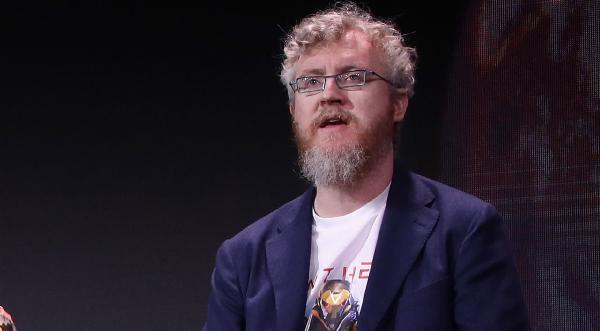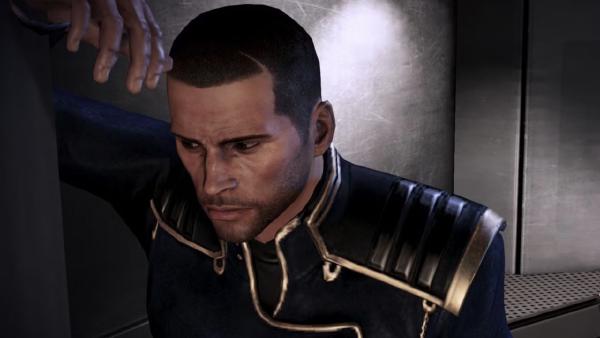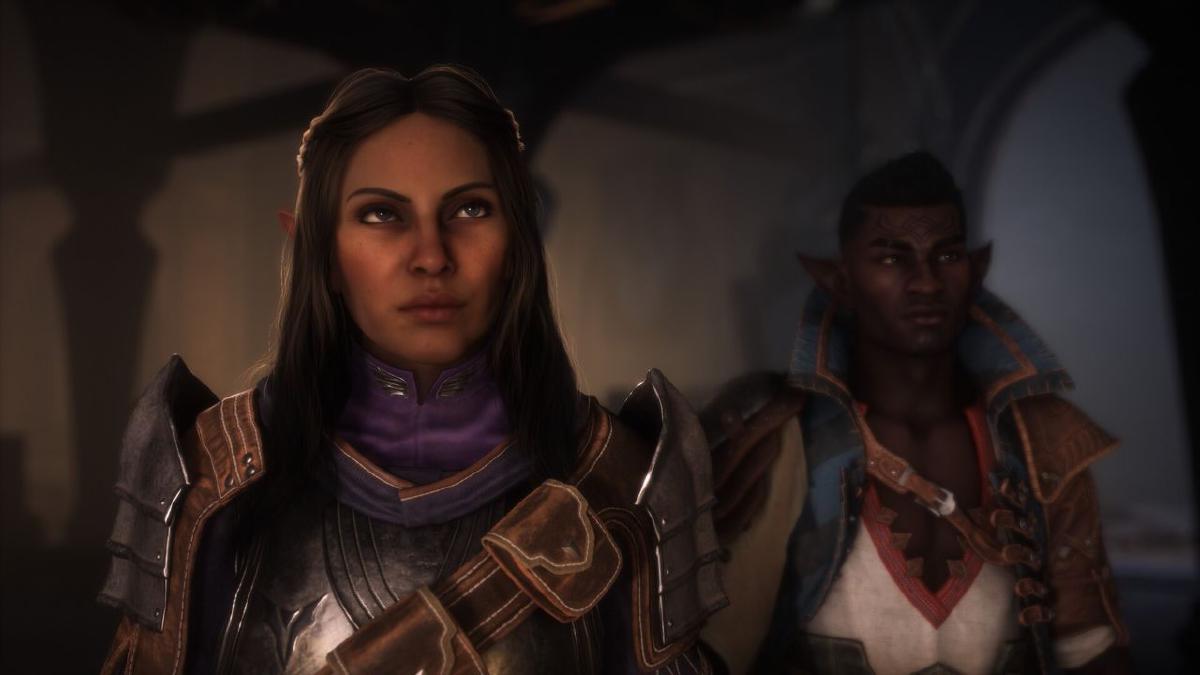
In a recent discussion about the future of the Dragon Age franchise, former BioWare director Mike Laidlaw made a striking claim about Electronic Arts, stating that the publisher operates more like a hedge fund than a traditional game studio. His comments, first reported by PC Gamer, raise serious concerns about EA’s direction and its impact on beloved game series like Dragon Age.
Laidlaw, who played a significant role in shaping the Dragon Age series, expressed his disillusionment with the current state of the industry. He emphasized that EA’s business practices have shifted toward prioritizing financial gains over creative storytelling and innovative gameplay. This shift, he fears, could signal the end of Dragon Age, a franchise known for its rich narrative and character development.
The former director described his views on EA’s operational model as a major reason why he believes the series is “probably dead and buried.” He reflected on how the existing corporate structure may stifle the creativity that once thrived at BioWare, suggesting that financial motives are now overshadowing the passion that game developers used to pour into their projects.
Laidlaw’s comments resonate with many in who have observed a trend of major publishers focusing on monetization over artistry. The sentiment aligns with concerns voiced by various developers and fans alike, who are increasingly worried about the future of storytelling in video games. As the industry leans into microtransactions and service models, the depth and engagement that titles like Dragon Age once offered might be at risk.
The alarming notion that EA could be treating the gaming industry as an investment vehicle rather than an art form raises significant questions about the future of other franchises under its umbrella. While EA has had success with titles like FIFA and Apex Legends, its handling of legacy franchises seems to be under scrutiny. With Dragon Age 4 facing numerous delays and changing creative directions, fans are left in limbo, uncertain if they will ever see the series return to its former glory.
A crucial aspect of Laidlaw’s critique is the impact of corporate culture on game development. He argues that the current focus on quick financial returns can lead to a disconnection between developers and the very players that cherish these stories. If the heart and soul of what makes games enjoyable are sacrificed for short-term profits, the entire medium suffers in the long run.
Despite these challenges, indie developers continue to thrive, often creating innovative experiences that prioritize narrative and player engagement. Titles from smaller studios have been making waves recently, reminding us that compelling storytelling and creativity can flourish outside the constraints of corporate oversight. The success of these indie games offers a glimpse of hope, showing that passion-driven projects still resonate with players.
In the face of Laidlaw’s remarks, it’s essential for fans to support developers who prioritize creativity and community engagement. By championing smaller studios and overlooked titles, players can help foster an environment where innovation is encouraged, and the magic of gaming can thrive.
As the future of Dragon Age hangs in the balance, discussions like Laidlaw’s are crucial for holding major publishers accountable. deserves games that inspire and captivate, not just products designed for maximum profit. With a collective voice, players can advocate for the kind of gaming experience that honors the art of storytelling, ensuring that franchises like Dragon Age are not lost in the push for corporate growth.
Image credit: PC Gamer
This article was generated with AI assistance and reviewed for accuracy.