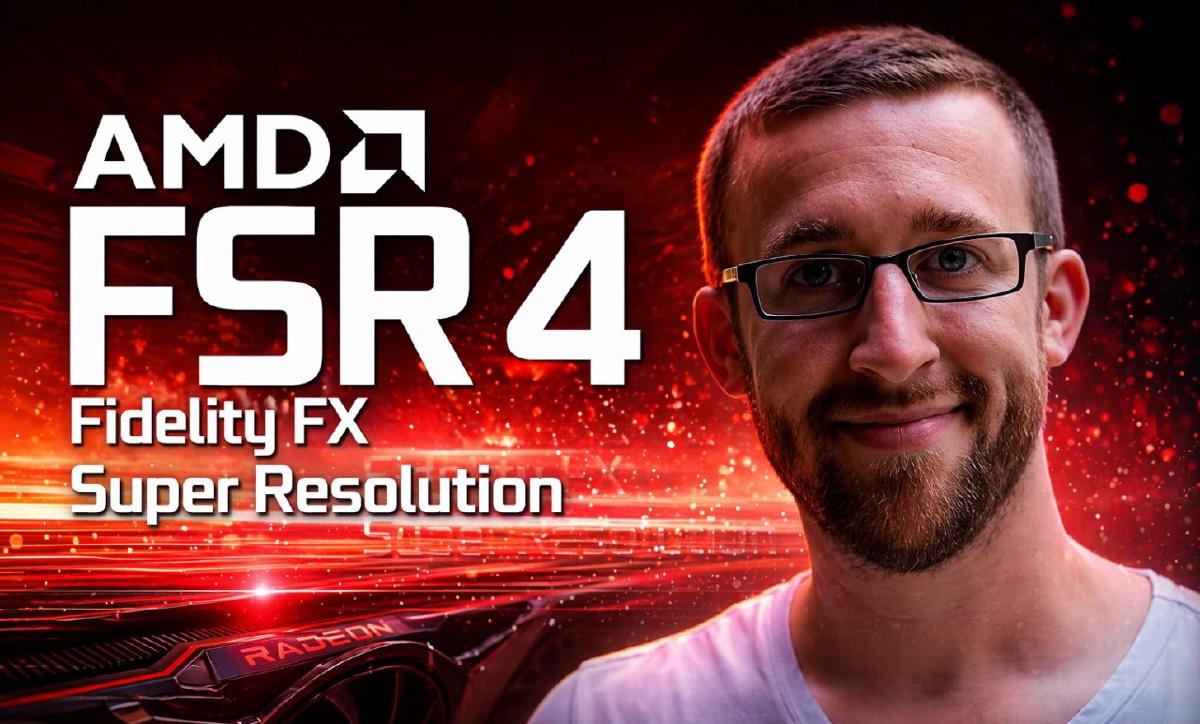
In a recent interaction that raised eyebrows in the gaming and tech communities, a former lead developer for AMD’s FidelityFX Super Resolution (FSR) 4 dropped a meme suggesting there are unresolved issues regarding the technology’s compatibility with RDNA 2 and RDNA 3 GPUs. This comes after AMD has been unusually quiet about the future of FSR 4 on older Radeon graphics cards.
As first reported by Wccftech, the meme featured a caption that hinted at “big trouble” when questioned about the lack of communication from AMD regarding FSR 4’s availability on previous-generation graphics cards. Since its launch over a year ago with the introduction of the RDNA 4-based Radeon RX 9000 series, FSR 4 has been a focal point for AMD, yet users of the RDNA 2 and RDNA 3 architectures have been left in the dark.
FSR technology, which aims to enhance performance and image quality through advanced scaling techniques, has been a crucial component of AMD’s strategy to compete with NVIDIA’s Deep Learning Super Sampling (DLSS) technology. While NVIDIA has continued to expand support for its DLSS offerings across various GPU generations, AMD’s FSR 4 appears to be sidelined on older models, raising questions about the underlying technical issues.
The lack of transparency from AMD has left enthusiasts and gamers wondering why the company has not enabled FSR 4 for its earlier RDNA architectures. This silence is particularly striking given the competitive landscape, where performance enhancement technologies significantly influence consumer choice in the GPU market.
The implications of FSR 4’s limited compatibility could affect the longevity and appeal of AMD’s RDNA 2 and 3 graphics cards, especially for gamers who are looking to leverage enhanced performance without upgrading to the latest hardware. This stratification in support may push potential buyers toward newer models or alternative solutions, potentially impacting AMD’s market share.
AMD has not provided formal explanations regarding the technical limitations that prevent FSR 4 from running on earlier architectures. The ambiguity surrounding the support for these GPUs raises concerns about whether users are being left behind as newer technologies are developed.
The meme drop by the former FSR lead, although humorous, underscores a growing frustration within the user base and tech observers alike. It serves as a reminder of the need for companies to maintain open lines of communication, particularly when their products don’t perform as expected across their entire product range.
In summary, the situation remains fluid, and AMD’s silence continues to be a topic of speculation. is left wondering if further updates regarding FSR 4 support for RDNA 2 and RDNA 3 GPUs will ever materialize or if the technology will remain exclusive to the latest hardware.
AMD, known for its innovation in the GPU market, has faced challenges in balancing next-gen technologies with legacy support. FSR 4’s evolution will be closely watched as it could influence consumer choices and AMD’s standing in an increasingly competitive environment.
Image credit: Wccftech
This article was generated with AI assistance and reviewed for accuracy.