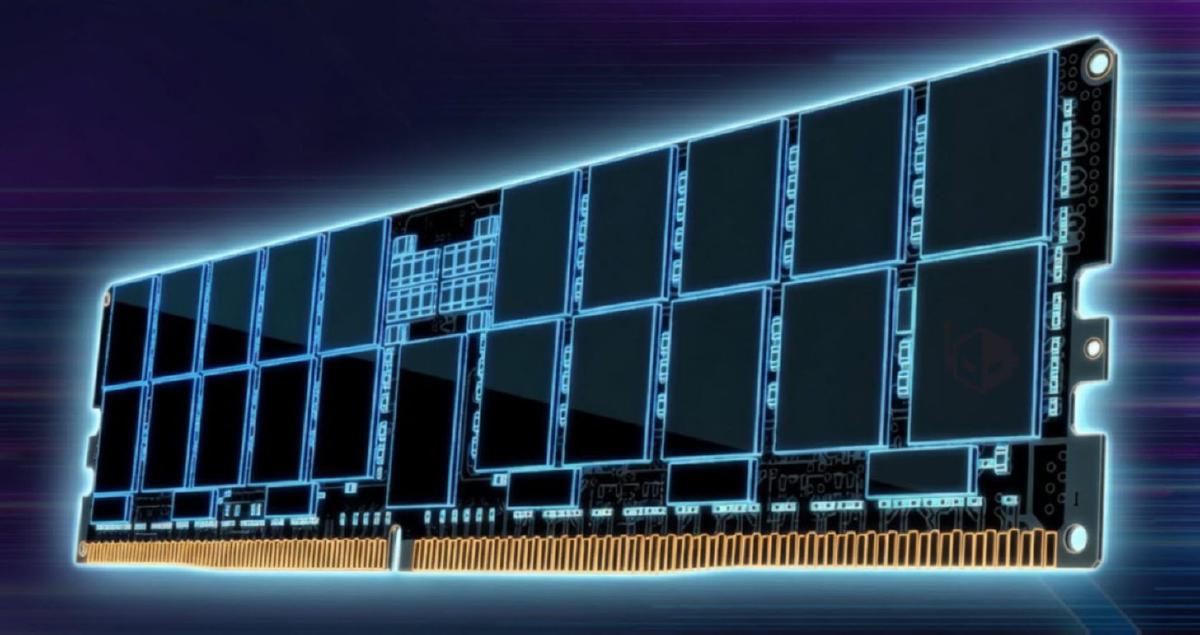
Memory prices are set to undergo significant increases over the next two years, with analysts projecting a staggering 50 percent hike in the third quarter of 2026, followed by another 40 percent jump in the fourth quarter. This is a direct result of ongoing shortages impacting the technology sector, as reported by Wccftech.
The primary players in the DRAM market,Samsung, SK Hynix, and Micron,have failed to provide optimistic forecasts, leaving consumers and businesses bracing for the financial impact. Despite initial hopes surrounding the emergence of cheaper alternatives from China’s CXMT, those expectations have not materialized, leading to a grim outlook for the memory market.
The DRAM market has been plagued by persistent shortages, and as demand continues to rise, supply remains constrained. This imbalance is causing prices to escalate, making memory components increasingly expensive and difficult to procure for both consumers and manufacturers. The ripple effects could be felt across numerous tech sectors, from gaming PCs to mobile devices, affecting performance and pricing strategies for companies reliant on these critical components.
As we look toward the future, analysts remain skeptical about any immediate relief. The consensus suggests that the trend of rising prices could persist until at least 2028. This prolonged period of elevated prices raises concerns not only for end-users but also for indie game developers and smaller tech startups that depend heavily on affordable hardware for their products.
With memory components being integral to everything from gaming to data processing, this situation may force developers to reconsider their hardware requirements and strategies. Some may need to push back release schedules or alter game specifications to accommodate the higher costs.
The tech industry’s challenges are compounded by external factors, such as geopolitical tensions and supply chain disruptions, which have further complicated the situation. As manufacturers strive to keep up with demand amid these challenges, the likelihood of price stabilization seems distant.
In light of these developments, consumers are urged to stay informed and consider the potential implications for their tech purchases in the coming years. For gamers, this could mean adjusting expectations regarding hardware upgrades and new game releases as the landscape shifts dramatically.
To wrap up, the memory market is facing a turbulent period that will affect pricing and availability for the foreseeable future. As major players and smaller developers navigate this landscape, it’s clear that the journey ahead will require adaptation and resilience.
Amidst these challenges, indie developers continue to innovate and bring fresh ideas to the gaming scene, but the rising costs of memory can impact their ability to deliver quality experiences. Supporting these creators by playing and promoting their games could help them weather this storm.
Image credit: Wccftech
This article was generated with AI assistance and reviewed for accuracy.