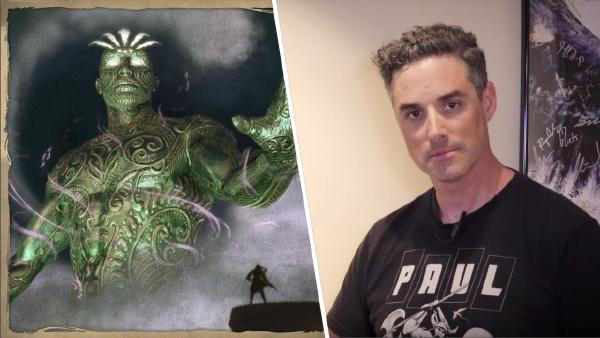
Wes Fenlon, a seasoned journalist at PC Gamer, has spent over a decade analyzing the intersection of gaming and hardware. His in-depth approach sheds light on how various cultural elements shape game design, especially in the realm of Japanese titles and indie projects. As first reported by PC Gamer, Fenlon’s keen insights reveal a fascinating tapestry of influences that permeate the industry.
One standout aspect of Fenlon’s work is his exploration of how ancient philosophies, like Buddhism, have subtly influenced game aesthetics and narratives. This connection can often be seen in the introspective themes and visual styles that appear in many popular titles. The serenity and depth found in Buddhist teachings resonate through various gameplay elements, offering players a unique experience that encourages reflection and mindfulness.
In addition to philosophical influences, Fenlon highlights the impact of iconic manga artistry on gaming character design. The distinctive hairstyles and vibrant aesthetics drawn from manga culture have become staples in many video games, particularly in the RPG genre. These stylistic choices not only appeal to players’ visual preferences but also create immediate connections to the stories and characters they represent.
Another intriguing facet of Fenlon’s analysis is the incorporation of pop culture references, including notable figures like Keanu Reeves, into modern video games. Games such as Cyberpunk 2077 prominently feature Reeves, whose portrayal of Johnny Silverhand has become a cultural touchstone within the gaming landscape. This blending of real-life celebrity and virtual gaming worlds highlights the industry’s tendency to draw from and integrate modern culture, further enriching the narrative depth of these games.
Fenlon’s writing also touches on his personal gaming experiences, such as his obsession with optimizing systems in Satisfactory and revisiting classics like Final Fantasy. These personal anecdotes create a relatable context, illustrating how the game mechanics and design choices resonate on an individual level. His commitment to unearthing stories and histories from underscores the importance of preserving the rich culture surrounding video games.
Through his work, Fenlon not only captures the essence of gaming’s diverse influences but also emphasizes the significance of understanding the broader context of game design. By analyzing these connections, he provides a critical lens through which players and developers can appreciate the complexity of their interactive experiences.
With his extensive background and passion for both technology and storytelling, Wes Fenlon continues to contribute valuable insights to the gaming industry. His investigations into the inspirations behind gameplay mechanics and design choices serve to enrich the ongoing dialogue about what makes video games a powerful medium for expression and creativity. As the industry evolves, those who follow his work can expect to see how these influences continue to shape the future of gaming.
Image credit: PC Gamer
This article was generated with AI assistance and reviewed for accuracy.