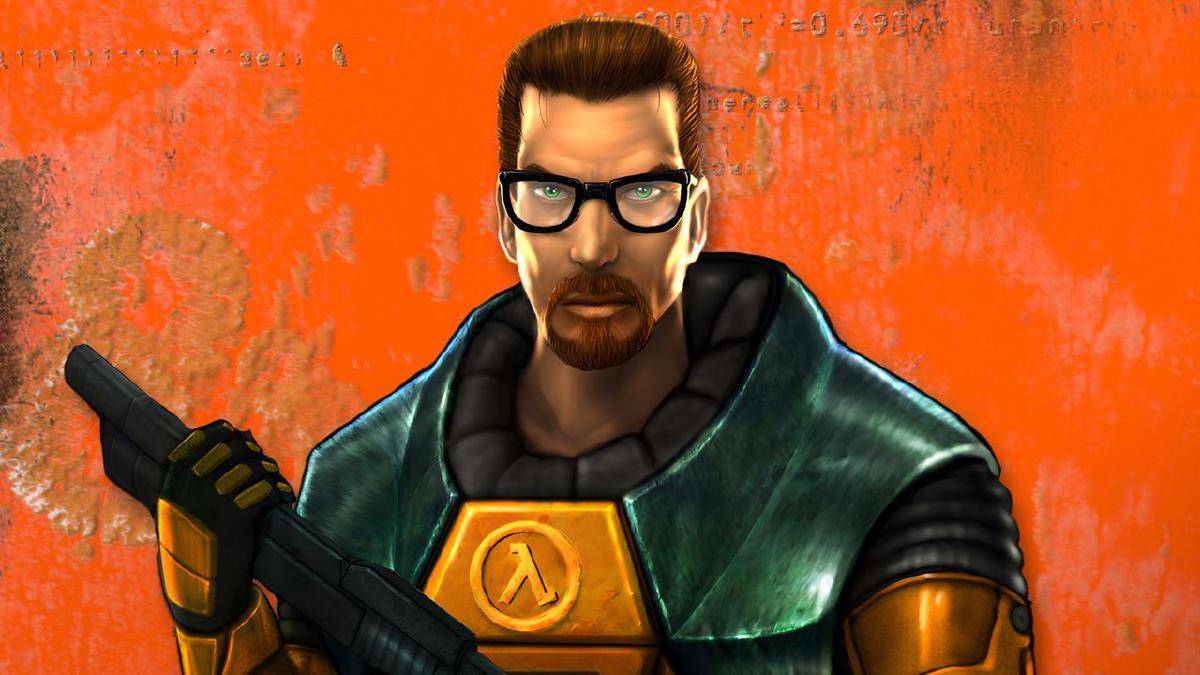
A recent analysis of the ages of classic first-person shooter (FPS) protagonists has revealed some surprising details, especially concerning the beloved character Gordon Freeman from the Half-Life series. As first reported by PC Gamer, the revelation that Freeman is canonically 27 years old prompted a deeper exploration into the ages of other iconic characters in the genre.
This quirky investigation, led by writer Rick, who is well-versed in the gaming landscape, examines a range of characters from classic titles such as Doom, Quake, and Deus Ex. Rick, whose roots in PC gaming began at the tender age of seven, has a particular affinity for FPS games and immersive simulations. His journey through gaming has seen him take on various roles, including a stint as games editor at Custom PC magazine, while still contributing to prominent outlets like Edge and Eurogamer.
The ages of these beloved characters often go unnoticed, yet they provide a fascinating lens through which to view the evolution of gaming narratives and design. For instance, while Gordon Freeman’s age might seem young, other protagonists from titles like Quake and Thief vary widely in age, challenging players’ perceptions of the characters they control.
Rick’s findings highlight that age is not just a number; it often plays a significant role in how a character is portrayed. Characters like Duke Nukem, with a more mature persona, contrast sharply with the youthful energy of Freeman. This disparity raises questions regarding the intended audience and the themes being explored in each game. Are older characters designed to resonate with a more mature player demographic, or do they serve as a reminder of the timelessness of gaming heroes?
The analysis does not stop with age alone. Rick’s insights lead to broader discussions around character development, the significance of age in narrative depth, and how it affects player connection. As players engage with these characters, their ages could influence everything from gameplay mechanics to story arcs, fostering emotional connections that transcend pixelated graphics.
This newfound awareness of character ages is not merely a trivia exercise but serves as a reflection of the industry’s growth. Over the years, FPS games have evolved significantly, transitioning from simple mechanics to complex narratives that delve into the psyche of their protagonists. It raises an interesting point about how engages with age and maturity, both in characters and players.
As the gaming industry continues to expand and diversify, characters like Gordon Freeman will always hold a special place in the hearts of fans. With every new installment and remaster, the legacy of these characters is reexamined, intertwining nostalgia with contemporary gameplay.
In summary, the exploration of the ages of FPS protagonists not only fascinates but also encourages players to rethink their connection to these characters. Understanding the ages of these iconic figures may change the way we view them, offering fresh perspectives on their missions, struggles, and even triumphs within their respective games.
Rick’s passion for the FPS genre continues to influence his writing, inviting readers to appreciate both the nostalgia and the evolution of characters that have defined gaming for decades. Whether it’s through in-depth analysis or personal anecdotes, his work resonates with those who have grown alongside these digital legends.
Image credit: PC Gamer
This article was generated with AI assistance and reviewed for accuracy.