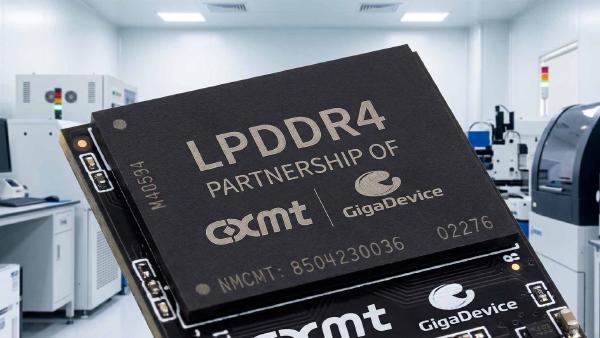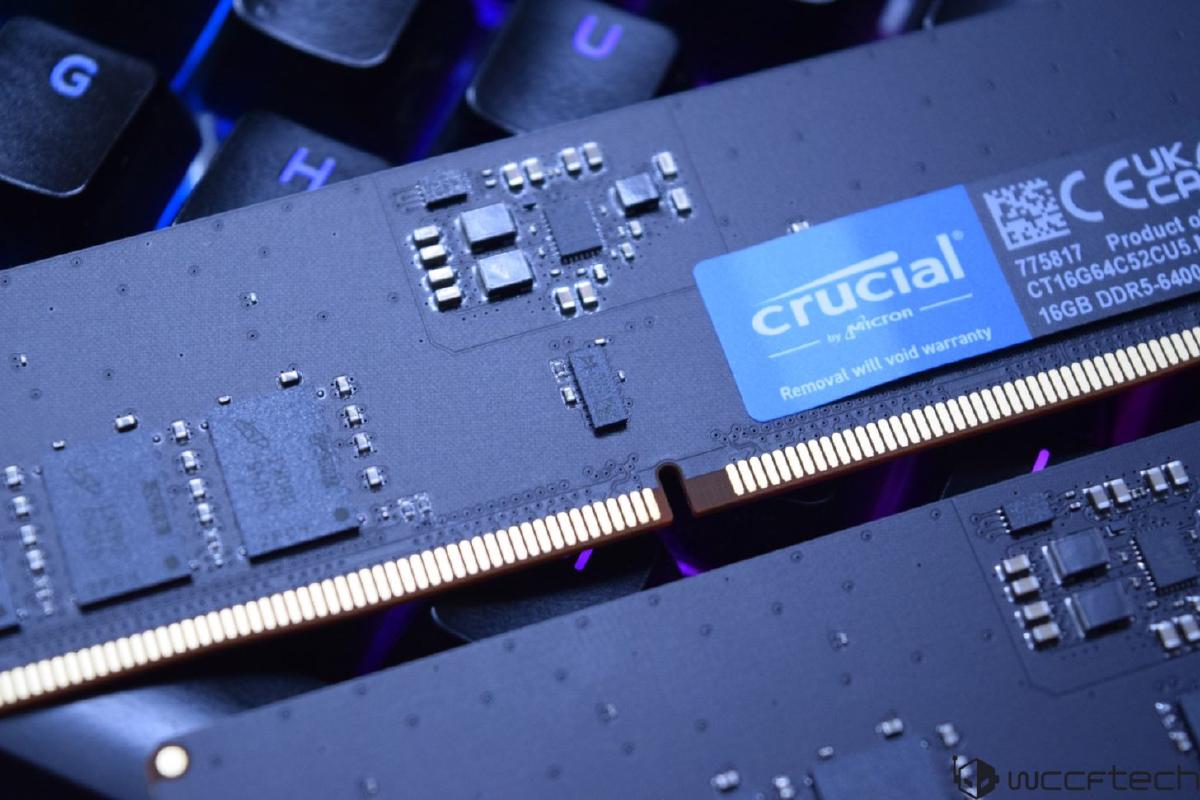
The tech world is bracing for prolonged supply issues as DRAM manufacturers project they will only meet 60 percent of global demand through 2027. As first reported by Wccftech, this stark reality marks a troubling forecast for gamers and tech enthusiasts alike, as the ongoing shortages are expected to drive prices up and limit availability for various devices.
The demand for DRAM, or dynamic random-access memory, has surged significantly, primarily due to the exponential growth in sectors such as artificial intelligence, cloud computing, and gaming. The rise of Agentic AI technologies has contributed greatly to this heightened demand, resulting in a scenario where supply simply cannot keep pace. Unfortunately, even with the establishment of new production facilities, manufacturers are struggling to catch up.
According to a report by Nikkei Asia, the current trajectory suggests that relief from these shortages is nowhere in sight. The combination of insufficient production capacity and burgeoning demand paints a grim picture for both consumers and developers. Gamers, who rely on cutting-edge hardware to run the latest titles smoothly, are likely to feel the brunt of these shortages. Systems that depend on DRAM, such as consoles and high-performance PCs, will face delays and price increases that could further widen the affordability gap.
The challenges do not stop at consumer goods. Game developers, especially those in the indie space, may find it increasingly difficult to source the necessary hardware for developing and testing their projects. Smaller studios often operate on tight budgets, and rising component costs can severely impact their ability to produce and release games. This could lead to fewer innovative titles hitting the market, stifling creativity in the gaming industry.
As manufacturers grapple with these challenges, the overall tech landscape is poised for disruption. Supply chain complications have already had ripple effects on various industries, and as the demand for advanced memory solutions continues to rise, it could hamper the rollout of new technologies. For instance, advancements in virtual reality, augmented reality, and even next-gen gaming consoles could be slowed down due to the lack of available DRAM.
The ongoing memory shortages serve as a reminder of the delicate balance within the tech ecosystem. With rising production costs, consumers may soon find themselves paying more for their favorite gaming gear. The potential for price hikes raises questions about affordability and accessibility, especially for gamers who are already navigating a landscape filled with microtransactions and subscription services.
Looking forward, the industry must find ways to adapt to these supply constraints. There could be potential in fostering collaborations between manufacturers and developers to create more efficient supply chain solutions. Additionally, could play a vital role in advocating for transparency and innovation in the face of these challenges.
As we approach the next few years, the implications of these memory shortages will become increasingly apparent. The industry must remain vigilant and proactive to navigate these turbulent waters. For now, gamers and developers alike may want to keep a close eye on how these developments unfold, as they could redefine the future of gaming hardware and software.
Memory, often overlooked in discussions about gaming performance, is about to take center stage as we watch how these shortages impact our favorite pastime. The journey ahead may be challenging, but it is essential to support the smaller studios and developers who continue to push the boundaries of creativity, even amid these hurdles.
About the Developer: DRAM technology is crucial for multiple industries, including gaming and AI. With smaller developers often relying on cutting-edge technology, addressing these shortages is key to fostering innovation in the sector.
Image credit: Wccftech
This article was generated with AI assistance and reviewed for accuracy.