A recent survey reveals that a significant number of gamers immerse themselves in video game soundtracks outside of gaming sessions, highlighting the emotional connection many players have with in-game music. As first reported by PC Gamer, this trend underscores how video game scores have evolved from simple 8-bit tunes to complex compositions that have earned recognition akin to traditional film scores.
The survey, conducted by a gaming analytics firm, indicated that approximately 63% of respondents listen to video game music in non-gaming settings, such as during commutes, workouts, or while studying. This statistic reflects a growing appreciation for the artistry involved in creating these soundtracks, which have become integral to game design and player experiences.
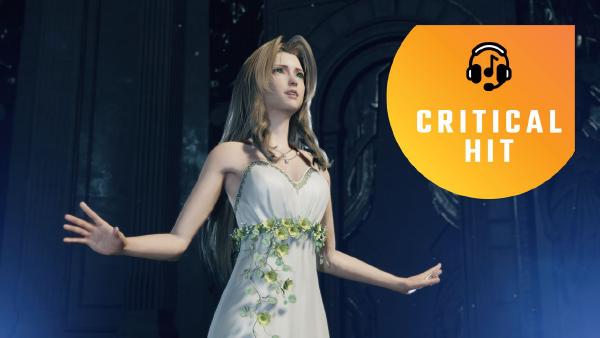
Soundtracks from franchises like “The Legend of Zelda,” “Final Fantasy,” and “Halo” have left a lasting impact on both the gaming landscape and popular culture. The emotional weight of these scores often mirrors the narratives they accompany, enhancing players’ engagement with game worlds and characters. Many gamers find that these soundtracks evoke nostalgia, transporting them back to memorable moments from their favorite titles.
The survey also explored the types of music players gravitate toward. While some prefer orchestral compositions that bring cinematic depth, others enjoy electronic sounds that energize them during workouts. Genres range from symphonic to chiptune, illustrating the diverse tastes of gamers. This multitude of preferences further emphasizes how video game music transcends its original purpose, reaching audiences that may not even play the games themselves.
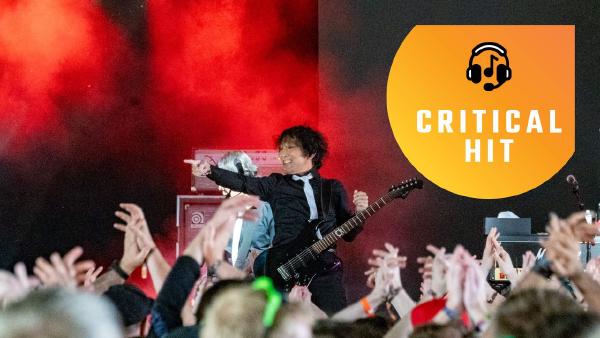
Industry professionals have taken notice of this phenomenon. Many composers, including veterans like Nobuo Uematsu and newer talents like Austin Wintory, have begun to perform their music live, attracting dedicated fan bases. Concerts like “Video Games Live” and events like the “Game Music Festival” celebrate this evolution, drawing crowds that span generations of gamers. These performances serve as a testament to the cultural significance of video game music, fostering a sense of community among fans.
This connection between players and soundtracks is also evident in the rise of streaming platforms such as Spotify and YouTube, where dedicated playlists of video game music have amassed millions of followers. Curated channels offer everything from classic themes to contemporary scores, allowing users to enjoy the music that has shaped their gaming experiences. Many musicians and content creators have also taken to these platforms to remix or reinterpret popular tracks, further broadening the reach of video game music.
The trend has implications not just for players, but for the industry as a whole. As soundtracks continue to gain traction outside of the gaming sphere, developers may invest more in music production to attract a broader audience. High-quality compositions can enhance a game’s appeal, serving as an additional selling point alongside graphics and gameplay.
As the relationship between gamers and soundtracks deepens, it raises questions about how music will continue to evolve in the gaming industry. With advancements in technology and an ever-growing appreciation for sound design, the future of video game music is likely to be as dynamic and multifaceted as the games themselves.
In summary, the intersection of video game music and everyday life signals a shift in how soundtracks are perceived and valued. This trend reflects not only a deeper emotional connection between players and their favorite games, but also the growing recognition of music’s role in shaping the gaming experience.
Context: Video game music has transitioned from simple melodies to orchestral compositions, reflecting the industry’s growth. Major studios like Square Enix and Bethesda continue to invest in music to enhance player immersion.
Image credit: PC Gamer
This article was generated with AI assistance and reviewed for accuracy.