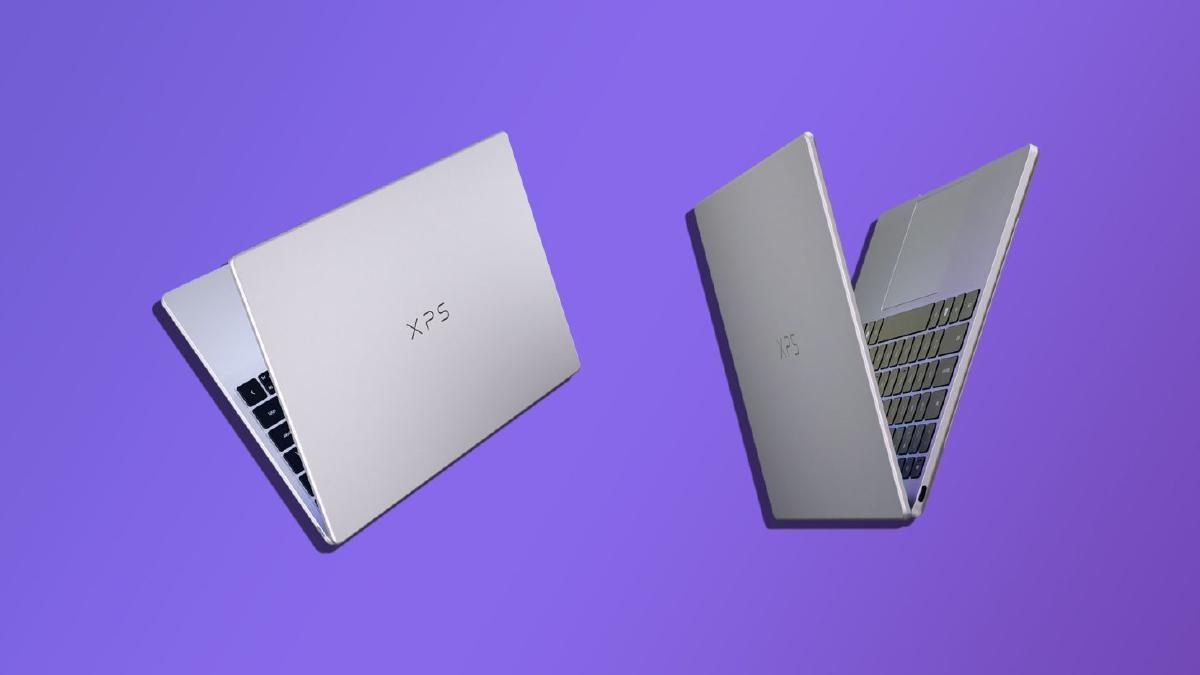
Dell’s XPS 13, positioned as an affordable alternative to Apple’s MacBook Neo, is encountering significant pricing challenges in South Korea. While the U.S. market enjoys a competitive entry price of $699, South Korean consumers are facing a staggering base model price of approximately $1,400. This figure is more than double the U.S. MSRP, raising concerns about Dell’s distribution strategy in the region.
As reported by Wccftech, Dell’s attempt to undercut Apple with its XPS 13 has faltered in South Korea, where the laptop’s pricing dynamics are less favorable. The base model’s price, 71 percent higher than the MacBook Neo, disrupts its previously attractive price-to-performance ratio. This situation highlights Dell’s struggles to maintain consistent pricing across different global markets, a challenge that Apple appears to handle more effectively.
The XPS 13’s partnership with Intel’s Wildcat Lake has allowed Dell to market this laptop as a budget-friendly option for those seeking quality without breaking the bank. However, in markets like South Korea, this promise is undermined by significant price discrepancies. While Apple maintains a consistent pricing strategy for its products globally, Dell’s pricing variations suggest a lack of regional alignment that could alienate potential customers.
The implications of this pricing issue could be considerable. Consumers in South Korea may opt for Apple’s offering instead, as performance and pricing become paramount in their decision-making process. This scenario underscores the importance of strategic distribution and pricing for tech companies, especially when competing against established brands like Apple that have a loyal customer base.
Dell has yet to comment on its pricing strategy or future plans for the XPS 13 in South Korea. However, it’s clear that the company will need to address these discrepancies to remain competitive in the fast-paced tech landscape. As consumers become increasingly aware of pricing variations, Dell’s ability to adapt will be crucial for its long-term success in global markets.
Dell Technologies is known for its innovation and quality in the tech industry, consistently delivering products that cater to a diverse range of users. The XPS series, in particular, has garnered praise for its sleek design and performance. With the introduction of the XPS 13, Dell aimed to capture an audience seeking an affordable yet powerful laptop option. However, the current pricing issues may create hurdles that the company will need to overcome to win over consumers in regions like South Korea.
Image credit: Wccftech
This article was generated with AI assistance and reviewed for accuracy.