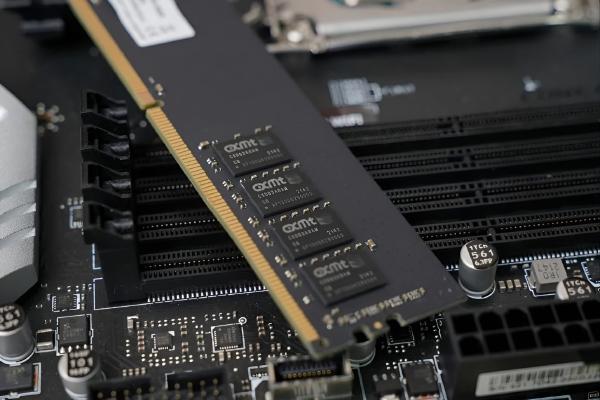
Recent sales data from the German retailer Mindfactory has revealed striking insights into the current state of motherboard sales in the PC hardware market. As first reported by Wccftech, DDR4 motherboards now make up a mere 9.5% of total motherboard sales, while DDR5 platforms continue to fly off the shelves despite their higher price tags.
This trend indicates a significant shift in consumer behavior as the demand for DDR5 memory rises. While both DDR4 and DDR5 memory kits have faced escalating prices, the latter’s performance advantages appear to have swayed buyers’ preferences. The sales figures reflect a broader trend in the market, with an increasing number of PC builders and gamers opting for DDR5-compatible systems.
Even though vendors have ramped up efforts to produce more DDR4 motherboards, the reception from consumers suggests they are not keen on reverting to the older technology. Since October last year, the costs of DDR5 memory kits have surged, but the demand remains robust. This ongoing interest in DDR5 signals confidence in its future viability, as more users are willing to invest in the technology that promises enhanced performance and speed.
The statistics from Mindfactory serve as a telltale reminder of how rapidly the landscape of PC hardware is evolving. The DDR5 memory standard, introduced only recently, has positioned itself as the preferred choice among gamers and professionals alike, even as prices have soared. The disparity in sales suggests a clear preference for the new generation of memory, driven by gamers’ desire for the best possible experiences in demanding applications and high-performance gaming.
Manufacturers are now focusing their efforts on ensuring that DDR4 does not fade into obscurity. However, the persistent demand for DDR5 indicates that simply increasing production may not be enough to entice consumers back to the older platform. The community appears to be fully embracing the benefits of DDR5, which offers improved bandwidth and latency, features that are essential for modern gaming and content creation.
In the grand scheme of things, this trend highlights not only a shift in technology but also in consumer preferences. Gamers and tech enthusiasts are prioritizing performance above all else, even at a premium cost. As the market continues to adapt, it will be interesting to see how manufacturers respond and whether they can shift consumer sentiments towards DDR4 once again.
As the landscape of PC hardware continues to evolve, the sales data from Mindfactory underscores the importance of innovation and the willingness of consumers to invest in cutting-edge technology. For developers and manufacturers, this could serve as a learning lesson in how to keep pace with the rapidly changing demands of the market.
Mindfactory, a major player in the German electronics retail scene, specializes in a wide range of PC components, including motherboards, graphics cards, and memory modules. The data they provide offers valuable insights into market trends and consumer behavior, especially as more gamers seek to build top-tier gaming rigs.
Image credit: Wccftech
This article was generated with AI assistance and reviewed for accuracy.