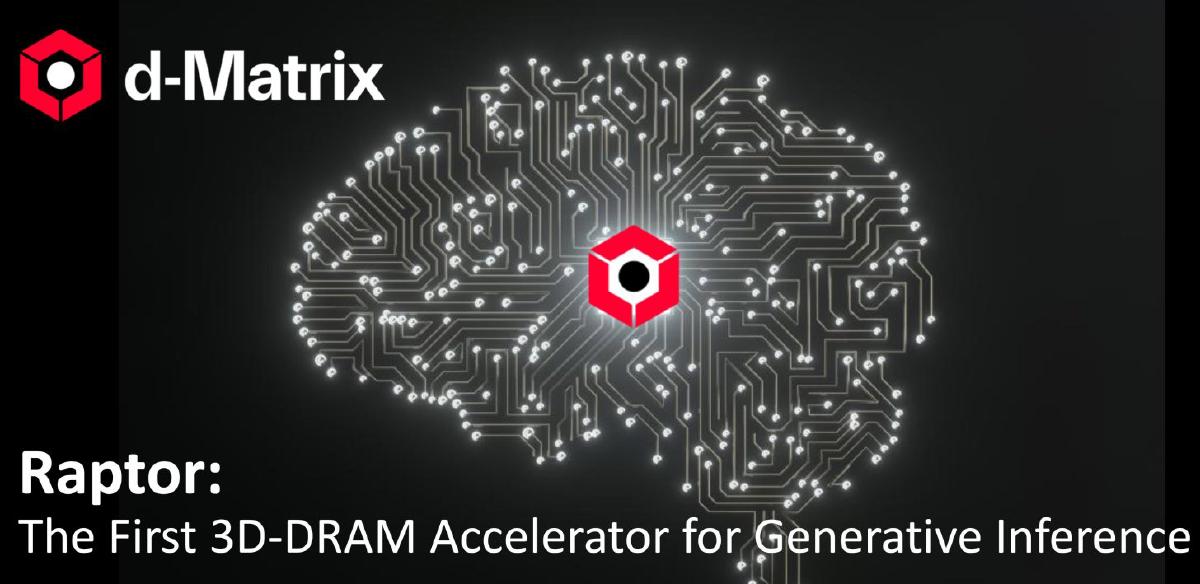
d-Matrix has introduced its innovative Raptor 3D DRAM solution, designed to meet the escalating demands of artificial intelligence data processing. As AI models grow larger and their associated key-value caches expand, the limitations of current memory technologies have become increasingly apparent. The Raptor 3D DRAM aims to provide SRAM-class bandwidth while operating at just one-tenth of the power required by traditional High Bandwidth Memory (HBM).
As first reported by Wccftech, the development of Raptor comes at a crucial moment when the industry is seeking next-generation memory solutions that can effectively support AI workloads. The growing size of AI models has led many developers and researchers to confront bandwidth and capacity constraints that hinder progress. With Raptor, d-Matrix asserts that the time is ripe for a shift toward 3D DRAM technologies.
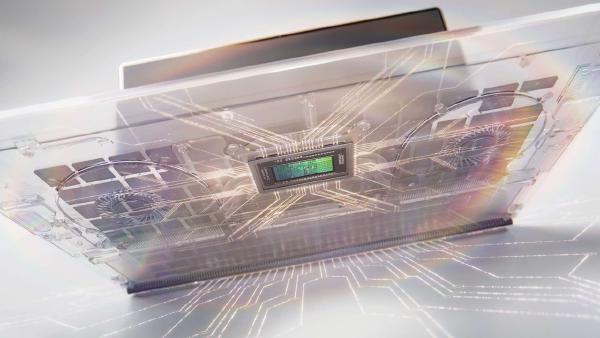
In essence, 3D DRAM utilizes a stacked memory design, which allows for greater efficiency compared to the conventional memory technologies currently dominating the market. While major DRAM manufacturers are also exploring ways to integrate logic with DRAM, d-Matrix believes its approach provides a more immediate solution to the challenges faced by AI applications. The integration of memory and processing capabilities within the same structure reduces latency and enhances overall performance.
The implications of Raptor 3D DRAM extend beyond mere numbers; they promise to reshape how developers engage with AI technologies. As the demand for more powerful AI systems continues to surge, the ability to deliver high-speed data access without exorbitant energy costs becomes crucial. Raptor is poised to enable developers to push the boundaries of what is achievable in AI, allowing for more complex and capable systems that can operate efficiently.
Moreover, the eco-friendly aspect of Raptor cannot be overlooked. As tech giants and startups alike strive for sustainability in their operations, d-Matrix’s low power consumption model presents a compelling alternative. The reduction in energy usage is not just a technical achievement; it aligns with broader environmental goals that many companies are pursuing today.
The launch of Raptor 3D DRAM is a promising step forward for both d-Matrix and the tech industry at large. Companies working within the AI space must now consider how this new memory technology could enhance their systems and workflows. With the potential for improved performance and reduced operational costs, Raptor could become a pivotal element in the next generation of AI solutions.
As the tech landscape evolves, d-Matrix stands out as a company committed to innovation, particularly in the field of memory technology. Their focus on addressing the limitations of current systems reflects a deep understanding of the challenges faced by developers. Raptor 3D DRAM not only showcases their technical prowess but also positions them as a key player in the race to meet the needs of tomorrow’s AI applications.
For more information about Raptor and its capabilities, you can follow d-Matrix’s ongoing developments and how they might impact the future of AI.
Image credit: Wccftech
This article was generated with AI assistance and reviewed for accuracy.