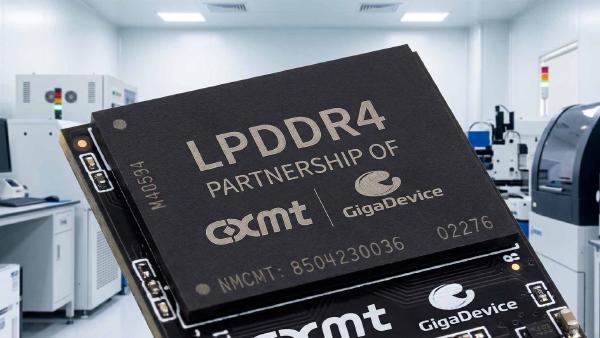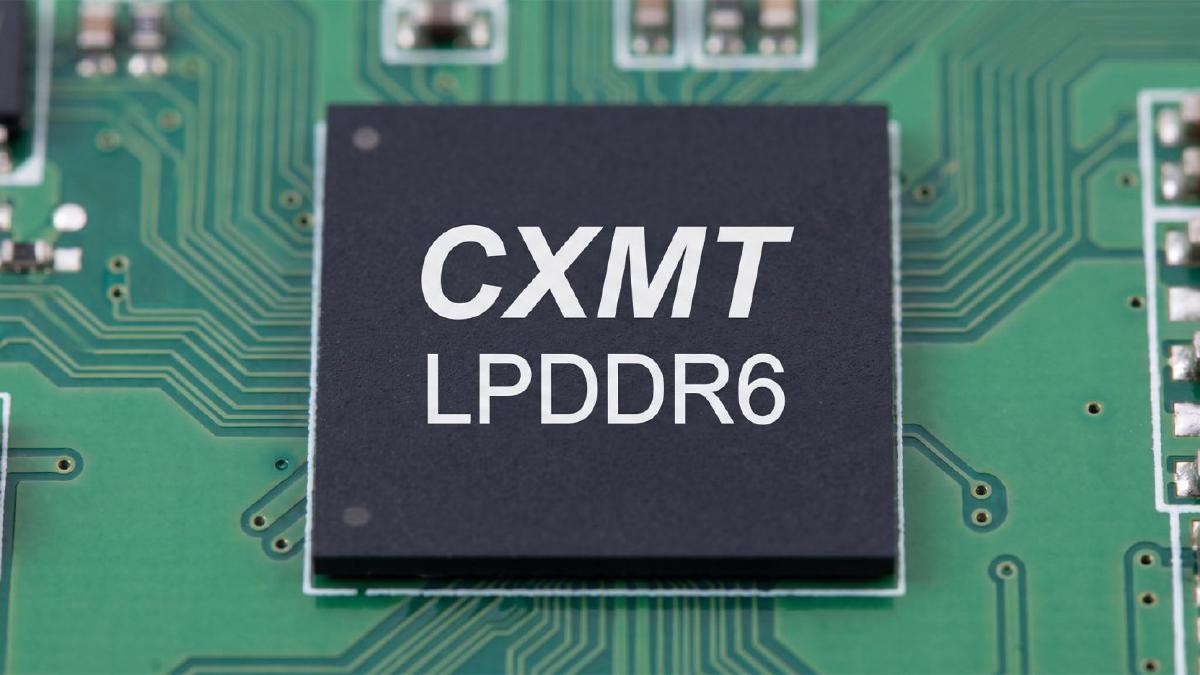
Chinese semiconductor manufacturer CXMT is encountering significant challenges in its production of high-bandwidth memory (HBM) chips, as recently reported by Wccftech. The company is facing a staggering yield rate of just 25 percent, with nearly 80 out of every 100 HBM3 chips failing to pass final quality tests. This setback could have serious implications for both CXMT and the wider memory market.
HBM chips are known for their complexity in manufacturing, especially when compared to traditional DRAM modules. The intricate process involves stacking multiple DRAM chips using through-silicon vias (TSVs), which increases the likelihood of defects during production. As such, HBM production has a higher barrier to entry, and CXMT’s current yield struggles highlight the difficulties involved in scaling up this technology.
Over the past few years, CXMT has managed to carve out a niche in the global memory market, primarily by supplying DRAM modules. This success has come at a time when many of the larger legacy memory manufacturers have shifted their focus toward HBM production, creating an opportunity for CXMT to step in and fill the demand gap. However, with current yield issues, the company may find it challenging to maintain its momentum.
The low yield rates can be attributed to various factors, including manufacturing complications associated with the stacking process and issues with the TSVs. These points of failure not only hinder CXMT’s production capabilities but also threaten its competitiveness in an increasingly crowded market. As major players like Samsung and Micron ramp up their HBM production, CXMT’s ability to deliver quality products on time will be critical.
The implications of these production woes extend beyond just CXMT. A consistent supply of reliable HBM chips is crucial for numerous applications, including high-performance computing, artificial intelligence, and advanced graphics processing. Should CXMT be unable to rectify its yield problems, it risks losing its foothold in a market that is vital for the future of technology.
As the situation develops, industry observers will be closely monitoring CXMT’s response to these challenges. The company will need to invest in refining its manufacturing processes and potentially rethink its strategy to improve yields and quality assurance. Whether it can turn things around remains to be seen, but the stakes are high for both CXMT and the broader semiconductor landscape.
Founded in 2016, CXMT has emerged as a significant player in the memory chip sector, aiming to compete on the global stage. The company focuses on DRAM and aims to leverage its growing expertise in advanced memory technologies to capture a larger share of the market. The current yield issues present a critical challenge, but they also offer an opportunity for CXMT to innovate and strengthen its operations moving forward.
Image credit: Wccftech
This article was generated with AI assistance and reviewed for accuracy.