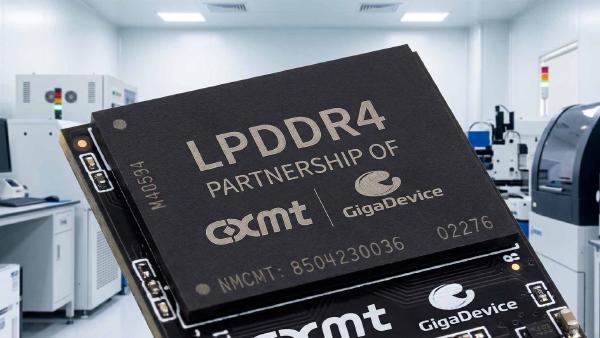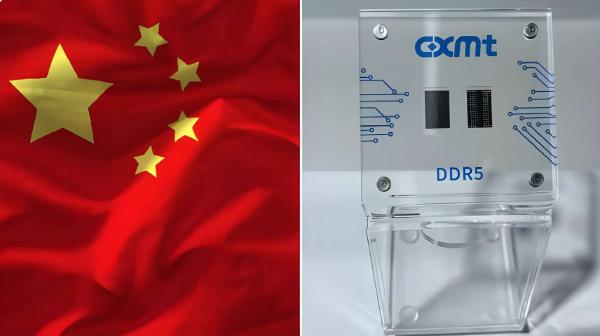
Chinese memory manufacturer CXMT is navigating the challenging landscape of U.S. sanctions by pivoting towards customized DRAM solutions. As first reported by Wccftech, the company is exploring the potential of advanced 3D memory and 3D Integrated Circuits (3D ICs) in a bid to compete effectively against prominent South Korean suppliers like Samsung and SK Hynix.
The U.S. government has imposed restrictions preventing CXMT from accessing critical High Bandwidth Memory (HBM) manufacturing tools. This ban has raised concerns about the company’s ability to remain competitive in the rapidly evolving AI memory sector. However, CXMT’s strategic decision to focus on customized DRAM could offer a viable pathway for growth and innovation.
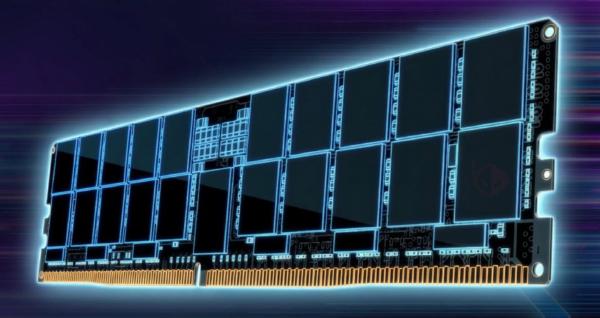
Customized DRAM, which can be tailored for specific applications, is gaining traction as AI hardware demands evolve. As the industry moves beyond traditional GPU-centric architectures, high-speed memory solutions are becoming increasingly essential. CXMT’s shift towards this market segment could position it to capitalize on emerging opportunities in AI-driven technologies, where performance and speed are paramount.
By investing in 3D memory and 3D IC technology, CXMT aims to develop products that not only meet but exceed the expectations of the current market. This approach could allow the company to differentiate itself from competitors who may be more cautious in their strategies. The ability to produce customized memory solutions could attract various sectors, from AI to gaming, where tailored performance is often a decisive factor.
The South Korean giants, Samsung and SK Hynix, have long dominated the memory market with their established HBM production capabilities. However, if CXMT can successfully implement its new strategy, it could disrupt the status quo and capture significant market share. This scenario underscores the potential for intense competition in the memory sector, particularly as demand for high-speed memory continues to rise.
CXMT’s strategy represents a bold move in the face of regulatory challenges. The company’s agility in adapting to market conditions could enable it to forge ahead and establish its presence in innovative memory technologies. The memory market is at a critical juncture, where companies that can pivot and innovate will likely lead the charge in meeting future demands.
As the landscape of AI hardware evolves, the importance of memory solutions that can handle increased workloads and deliver high performance is undeniable. CXMT’s focus on customized DRAM and advanced 3D technologies puts it in a position to potentially disrupt the memory market, especially as competition ramps up.
In summary, CXMT’s strategic pivot to customized DRAM amid U.S. sanctions highlights the company’s resilience and innovative approach. If successful, this could lead to significant developments in the memory sector, impacting both competitors and consumers alike. With AI technology becoming increasingly prevalent, the race for high-performance memory solutions is just beginning.
CXMT, officially known as ChangXin Memory Technologies, is a state-backed semiconductor company based in China. Established to bolster China’s memory chip manufacturing capabilities, CXMT is striving to achieve self-sufficiency in semiconductor technology while competing on a global scale.
Image credit: Wccftech
This article was generated with AI assistance and reviewed for accuracy.