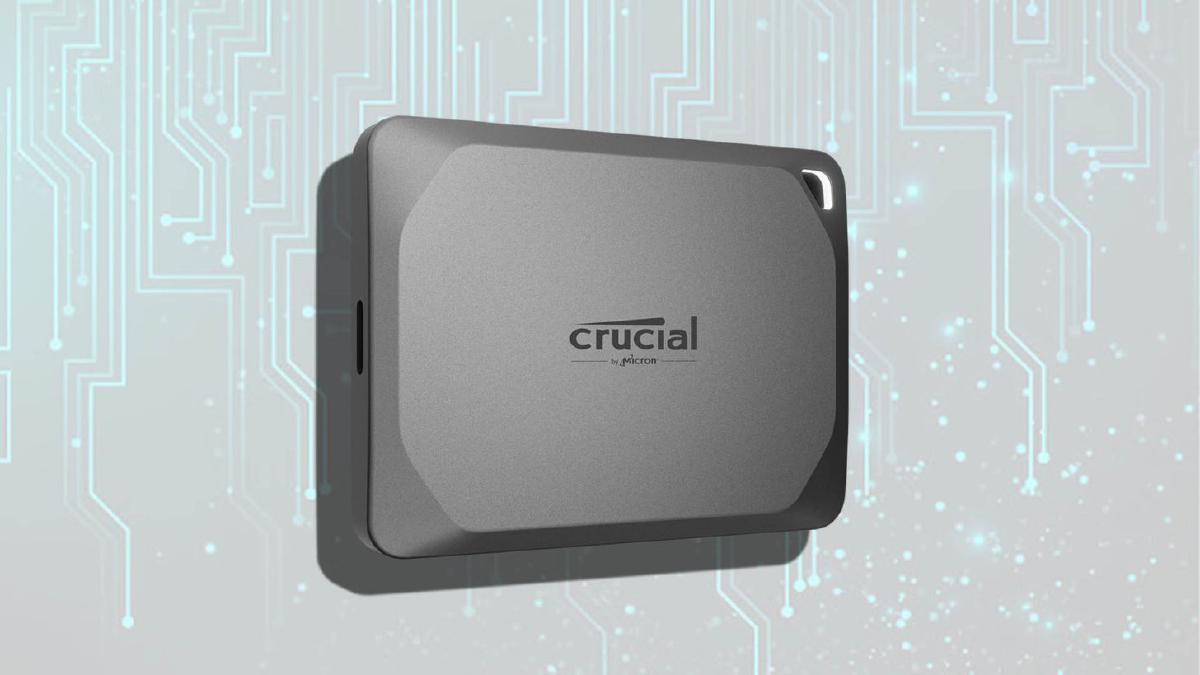
In a noteworthy consumer rights battle, a Crucial X9 4TB external SSD owner successfully pushed back against a substandard refund offer from the manufacturer, Micron Technology. As reported by Wccftech, the incident underscores the potential challenges consumers face as Micron shifts focus away from its Crucial brand in the consumer SSD and RAM markets.
The owner of the SSD experienced a drive failure and sought a replacement through the company’s return merchandise authorization (RMA) process. After submitting the necessary documentation and waiting for approval, the customer was surprised to receive an offer for a $199.99 refund instead of a replacement drive. This refund amount was deemed insufficient by the owner, who was not willing to settle for less than a direct replacement for the failed unit.
In a demonstration of determination and persistence, the customer stood firm, refusing to accept the cash refund. The insistence on a replacement reflects broader concerns about consumer rights and warranty practices within the tech industry, particularly as Micron prepares to pull back from the consumer SSD segment. Eventually, after sustained negotiations, the company relented and provided a direct replacement for the faulty SSD.
This situation is particularly significant considering Micron’s plans to phase out its Crucial product line, which may lead to complications for existing customers in need of support. As the brand fades, consumers could find themselves without adequate support for warranty issues, especially as the company shifts its focus to enterprise-level solutions and memory products.
The Crucial X9 series has been well-regarded for its performance and reliability, appealing to gamers, content creators, and everyday users who require robust external storage options. However, if Micron’s exit from the consumer market leads to diminishing support for these products, it could result in frustration for users who invest in the brand.
The evolving landscape of the storage market highlights the importance of understanding warranty terms and the potential risks involved in purchasing consumer electronics from companies undergoing significant operational changes. This incident serves as a reminder for consumers to advocate for their rights, particularly when facing inadequate support from manufacturers.
In addition to this specific case, the broader implications for the Crucial brand cannot be overlooked. As consumers transition to new products and technologies, the demand for reliable, backed storage solutions remains high. The need for transparency and accountability in customer service will only grow as companies like Micron redefine their focuses.
With the Crucial brand’s future uncertain, consumers are encouraged to remain vigilant about warranty terms and company policies. The experience of this 4TB SSD owner serves as an important example of the necessity of standing firm during warranty disputes, illustrating that persistence can lead to favorable outcomes even in seemingly hopeless situations.
Micron Technology, a key player in the semiconductor industry, has been known for its innovation in memory and storage solutions. However, as it shifts its strategy away from consumer products, the fate of the Crucial brand and its customers hangs in the balance.
Image credit: Wccftech
This article was generated with AI assistance and reviewed for accuracy.