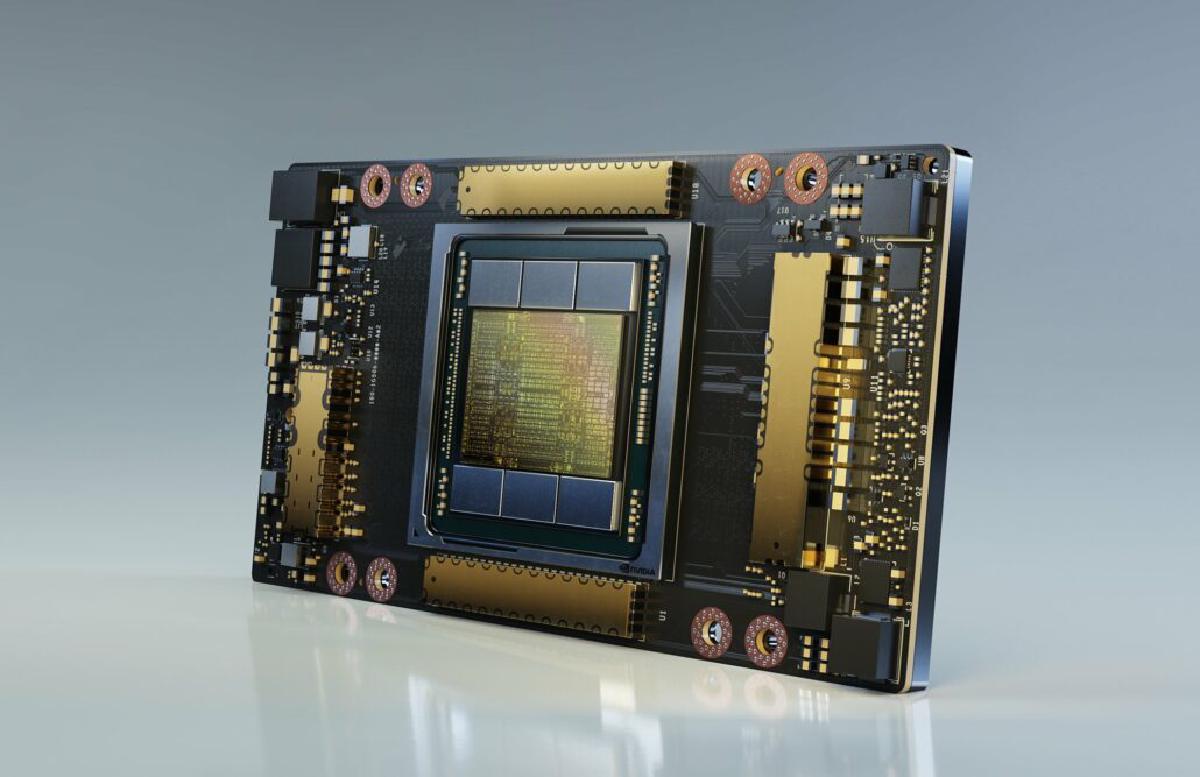
In a surprising move that underscores the resilience of older technology, CoreWeave has announced a rental agreement for NVIDIA’s A100 GPUs that will extend through 2029. This decision emphasizes how software advancements, particularly CUDA upgrades, can revitalize older platforms, proving they can still compete in today’s rapidly evolving AI landscape.
As first reported by Wccftech, the NVIDIA A100, part of the Ampere generation that debuted in 2020, has been around for six years. By this stage, many in the tech community might expect such hardware to be phased out and replaced by newer models. However, NVIDIA’s CEO Jensen Huang has hinted at the company’s design philosophy: their chips are built for longevity, catering to industries that require lasting power and computing capacity.
The A100 is equipped with NVIDIA’s 2nd Generation Tensor Cores, making it particularly well-suited for high-performance AI applications. CoreWeave’s decision to maintain and utilize these GPUs for an additional seven years demonstrates not only their utility but also highlights a growing trend within the tech industry,maximizing the lifespan of existing hardware through updates and refinements.
CoreWeave, known for its focus on providing cloud GPU services, has recognized the continuing demand for robust computing resources in the AI sector. Their commitment to the A100 suggests a strategic investment aimed at meeting the needs of clients who require reliable and powerful processing capabilities over the next several years.
This choice also speaks to a broader conversation in the tech community about sustainability and efficiency in hardware usage. Extending the operational life of powerful GPUs reduces electronic waste and encourages companies to make the most of their technology investments. As AI continues to advance, ensuring the viability of existing platforms like the A100 could lead to significant cost savings for developers and enterprises alike.
Interestingly, the decision to rent rather than purchase these GPUs could reflect a shifting approach to hardware ownership, particularly in fast-paced sectors like AI. By opting for a rental model, CoreWeave is positioning itself to remain adaptable, allowing for a smoother transition to newer technologies as they emerge while still capitalizing on the proven capabilities of the A100.
In a market that can sometimes feel driven by a relentless push for the latest and greatest, CoreWeave’s approach serves as a reminder that there is merit in older technologies when paired with modern software enhancements. As we move forward, it will be fascinating to see how many other companies follow suit and explore similar paths to extend the life of their hardware.
CoreWeave, founded in 2017, focuses on providing cloud-based GPU computing solutions, catering primarily to the demands of AI and machine learning applications. With this latest agreement, they are not just renting hardware but are also playing a pivotal role in redefining how we view the lifecycle of technology in an age that demands both innovation and sustainability.
Image credit: Wccftech
This article was generated with AI assistance and reviewed for accuracy.