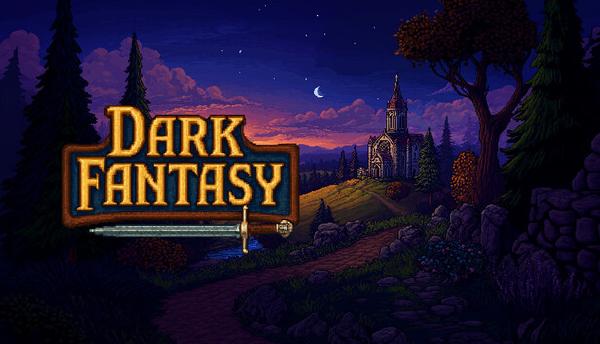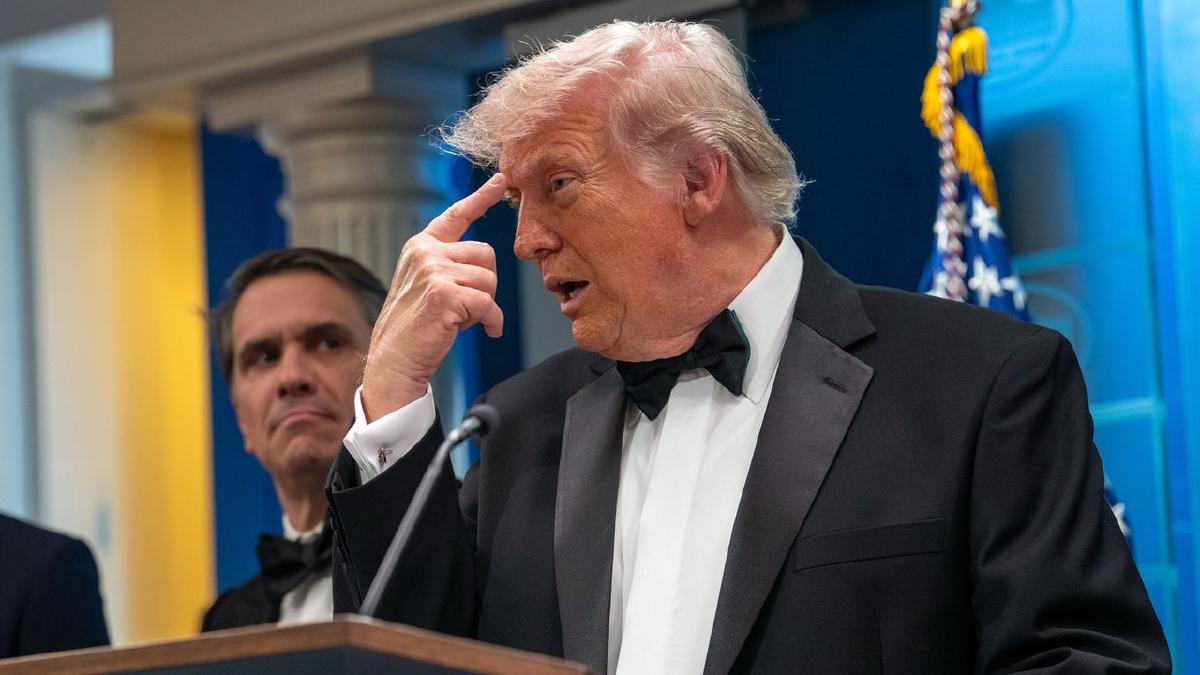
In a peculiar turn of events, a game on Steam connected to the suspect of a recent high-profile shooting incident involving former President Donald Trump has faced a significant review bombing. This backlash emerged alongside a surprising spike in player engagement, as first reported by PC Gamer.
The game, which has been a topic of heated discussions since the incident, is drawing attention not only for its content but also for the larger implications it holds within . Some players have taken to the review section to express their outrage, leaving negative feedback that echoes their discontent with the situation surrounding the suspect and the game’s thematic elements.
Interestingly, the sudden surge in activity is also noteworthy. Some gamers, perhaps motivated by morbid curiosity or a desire to understand the controversy, have flocked to the title, resulting in a dramatic increase in its player count. This phenomenon illustrates how controversy can bring unexpected visibility to indie titles, regardless of the reasons behind the attention.
Developers often find themselves in precarious positions when their work intersects with real-world events, particularly events as sensitive as a shooting involving a former president. The creator of this game, an indie developer, has yet to release an official statement regarding the backlash. However, the developer’s silence speaks volumes in such a volatile climate.
The review bombing phenomenon is not new, but it raises important questions about accountability, artistic expression, and the responsibilities that come with game development. Developers often aim to create engaging narratives or provoke thought through their games. However, when their work is linked to real-world violence, the lines become blurred, leading to scrutiny from both players and media outlets alike.
This incident is not just a notable example of player response to a game’s content; it also accentuates the broader societal conversation about the role of video games in reflecting and reacting to real events. The effects of this review bombing may linger long after the current news cycle fades, affecting sales and how the title is perceived in the indie gaming landscape.
As the situation develops, it will be interesting to see how both the indie community and players navigate the fine line between artistic freedom and social responsibility. The outcome of this incident may influence future projects from indie developers, who often work on the fringes of the industry and may face their own unique challenges in the wake of such controversies.
This situation is a reminder of the power of community in gaming. Players can drive narratives and shape the destiny of games, even those that might otherwise fly under the radar. It highlights not only the vibrancy of player engagement but also the sensitivities that developers must navigate when creating content that interacts with current events.
In the world of indie games, where creativity often pushes boundaries, developers must be prepared for the sometimes unpredictable reactions of players. For this particular title, the intersection of gaming and real-world events has generated both a platform for discussion and a cautionary tale for those in the community who dare to tread into provocative territory. As this story unfolds, it will undoubtedly leave an indelible mark on the indie gaming scene.
Image credit: PC Gamer
This article was generated with AI assistance and reviewed for accuracy.