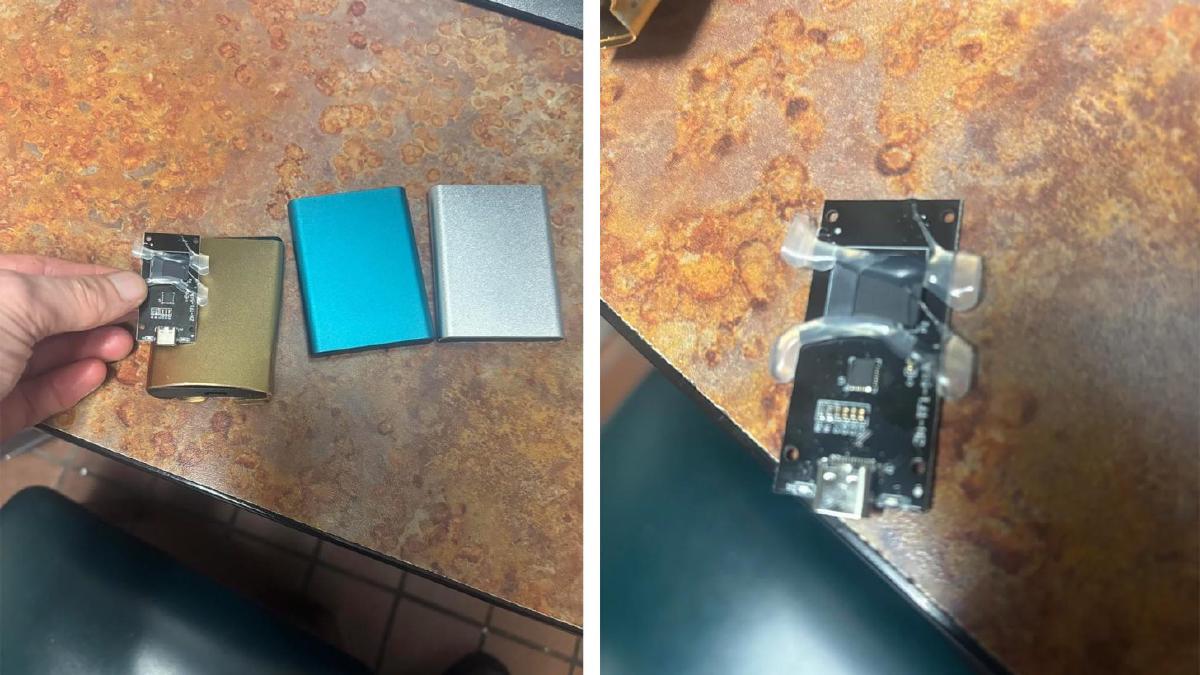
In a troubling incident that underscores the risks of online shopping for tech products, a consumer recently discovered that his three purportedly 32TB external hard drives were essentially fraudulent. As first reported by Wccftech, the drives turned out to be nothing more than microSD cards affixed to printed circuit boards, raising serious questions about the integrity of online retailers.
The surge in demand for storage solutions, fueled by the rapid adoption of AI technologies, has left consumers vulnerable to scams. This particular case serves as a cautionary tale for those seeking high-capacity storage options in a marketplace that has become increasingly competitive and sometimes sketchy. The buyer, lured by the promise of massive storage at an attractive price, found his purchases disappointing upon closer examination.
Upon receiving the drives, the consumer quickly realized that they were malfunctioning, prompting him to investigate further. It was soon revealed that the enclosures contained only microSD cards glued to the PCB, a far cry from the advertised capabilities. The lack of transparency and quality assurance in purchasing from dubious online sources can lead to such dismal outcomes, reminiscent of the broader challenges that consumers face in the tech industry during this storage boom.
The experience also highlights the importance of vigilance when shopping for storage devices online. With so many products entering the market, distinguishing between legitimate offerings and scams can be a daunting task. This situation serves as a reminder that buyers should conduct thorough research before investing in tech products, particularly from lesser-known websites.
The incident is not isolated; numerous reports have surfaced in recent months detailing similar scams involving misrepresented storage devices. These fraudulent practices exploit the heightened demand for data storage as consumers and businesses seek to manage growing amounts of information, particularly in a digitally-driven age. The allure of purchasing seemingly high-capacity drives at low prices can blind consumers to potential red flags, such as vague product descriptions and unverified sellers.
While many reputable retailers offer genuine high-capacity storage options, the risks remain high when purchasing from unfamiliar sources. Consumers should always look for established brands and verify seller ratings to ensure they are making informed decisions. Additionally, reading reviews from previous customers can provide insight into the reliability of both the product and the retailer.
The incident also touches on broader concerns regarding consumer protection in the tech industry. As technology continues to evolve, it is vital for regulatory bodies to enforce stricter guidelines around product descriptions and seller accountability to safeguard consumers from deceptive practices.
In the wake of such incidents, it may be prudent for potential buyers to seek advice from tech forums or communities that specialize in storage solutions. These platforms often provide valuable insights and recommendations that can help consumers navigate the complexities of purchasing storage devices.
With the digital landscape continually changing, staying informed is crucial for anyone looking to enhance their storage capabilities. This incident serves as a stark reminder of the importance of exercising caution and performing due diligence when shopping online for technology products.
In the realm of data management, companies like Western Digital and Seagate remain trusted names, consistently delivering reliable storage solutions. As consumers navigate this new landscape, prioritizing quality over quantity will ensure a more satisfactory and secure purchasing experience.
Image credit: Wccftech
This article was generated with AI assistance and reviewed for accuracy.