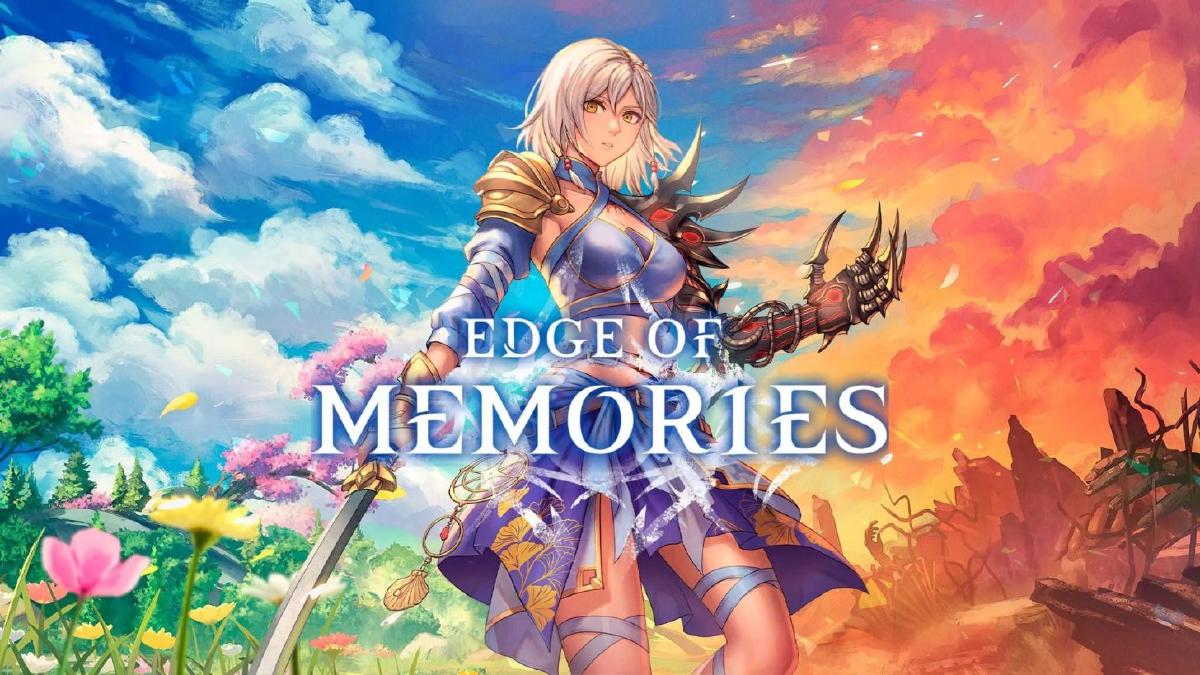
As the influence of artificial intelligence in the creative world continues to swell, artists across various fields are feeling the pressure. A poignant voice in this discussion is the composer for the indie game Edge of Memories, who recently raised concerns about AI’s role in generating art and music. The composer argues that while AI can be a useful tool, it ultimately lacks the human essence that makes art truly meaningful.
As first reported by Wccftech, this sentiment highlights a growing anxiety among creators, particularly in the realm of video games, where the synergy between visual and auditory experiences is vital. The composer pointed out that while AI can assist in tasks like sound design or production, it can never replicate the unique emotional depth that human artists infuse into their work. The risk, as they see it, lies in the potential for game soundtracks to become formulaic and uninspired, devoid of the individuality that makes them memorable.
Interestingly, the conversation around AI has largely revolved around its impact on visual artists, leaving composers and musicians in the shadows. With the emergence of AI-driven bands and music generation tools, there’s a legitimate concern that the future of video game music might lean towards mediocrity. The composer raised alarms over how non-human-generated soundtracks could strip away the magic that defines the gaming experience. After all, who can forget the emotional resonance of a perfectly timed score during a climactic moment in a game?
This isn’t just about the music either. The composer underscored the idea that art cannot thrive without humanity; it is an expression of culture, emotion, and experience that AI simply cannot replicate. The growing reliance on generative AI for art and music could lead to a world where creativity becomes uniform and lacks the rich texture that different viewpoints and experiences provide. They argue that the essence of a piece of music or art is rooted in the human condition,the highs, the lows, and everything in between.
As we see larger studios embracing AI to streamline production and cut costs, it’s crucial that we don’t lose sight of the passionate individuals behind the art. Smaller developers and indie teams, like those behind Edge of Memories, often draw from personal experiences and emotions to craft their soundtracks. These unique perspectives contribute to a richer gaming landscape that AI simply cannot replicate.
Amid this ongoing debate, the indie scene remains a vibrant bastion of originality and creativity. Games like Edge of Memories directly illustrate the power of human storytelling and artistic expression in gaming. As the industry navigates this technological shift, it’s essential to champion the voices of those who create art with intention and soul.
In the coming months, as AI technology continues to evolve, it will be interesting to see how the dialogue surrounding it progresses. Will the industry prioritize the preservation of human artistry, or will it succumb to the allure of cost-effective AI solutions? For creators in the indie space, the answer could shape not only their future but the future of gaming as a whole.
Edge of Memories is developed by a small indie team that focuses on crafting unique narratives and evocative soundscapes. Their work exemplifies the artistry that can arise when human creativity is at the forefront, standing in stark contrast to the sterile nature of AI-generated content.
Image credit: Wccftech
This article was generated with AI assistance and reviewed for accuracy.