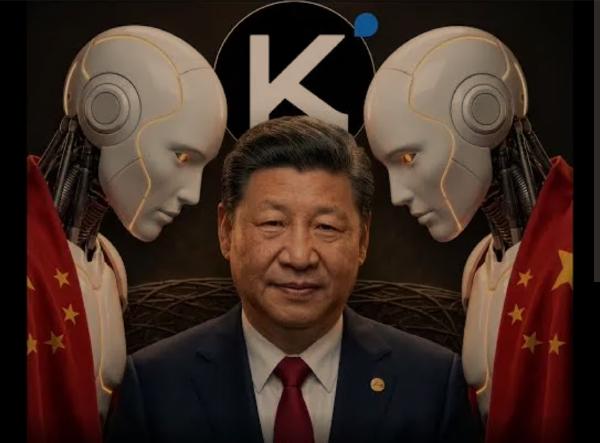
In a significant shift within the AI landscape, ByteDance, the parent company of TikTok, has taken a firm stance against the practice of distilling AI models from the United States. This move follows the emergence of allegations concerning the Kimi K3 AI model created by Moonshot, which has intensified scrutiny over how AI technologies are developed and adapted internationally. As first reported by Wccftech, ByteDance has issued an explicit ban on the distillation of US AI models, marking it as a pivotal moment for Chinese AI labs amidst ongoing geopolitical tensions.
The concept of model distillation involves simplifying a complex AI model into a more efficient version while preserving its performance. This process has raised concerns about intellectual property rights, especially as companies like ByteDance navigate the competitive landscape in AI development. By prohibiting this practice, ByteDance aims to ensure that its advancements in AI are based on original work rather than derivatives of external models, particularly those created in the US.
This decision comes at a time when the AI sector is experiencing rapid growth and increased regulatory scrutiny. ByteDance’s move reflects a cautious approach to the evolving complexities of international AI collaboration and competition, as the company seeks to bolster its own research and development efforts. The implications are likely to resonate beyond ByteDance, influencing how other Chinese firms approach AI development in light of similar pressures.
In parallel with ByteDance’s announcement, Anthropic, a notable player in the AI field, has disclosed plans to develop a custom ASIC (Application-Specific Integrated Circuit) for its AI model, Claude. This initiative aims to enhance the efficiency and scalability of inference operations tied to Claude, potentially providing Anthropic with a competitive edge in AI performance. The development of a dedicated chip signifies a broader trend within the industry, where companies are increasingly investing in specialized hardware to optimize their AI solutions.
By creating tailored chips, Anthropic seeks to reduce dependency on general-purpose hardware, which can often limit performance and efficiency. The move underscores the growing recognition among AI companies of the need for bespoke solutions that can handle the unique demands of their models. This chip development aligns with a broader narrative of innovation within the AI space, where companies are racing to enhance their capabilities and deliver more advanced models.
As both ByteDance and Anthropic navigate these evolving landscapes, their strategies reflect a keen awareness of the competitive dynamics at play. The ban on distillation by ByteDance not only demonstrates a commitment to proprietary technology but also emphasizes the importance of ethical considerations in AI development. Meanwhile, Anthropic’s focus on custom hardware marks a significant step toward improving AI model efficiency.
The decisions made by these two companies could have far-reaching implications for the future of AI development, influencing how businesses prioritize innovation, ethical standards, and competitive strategies. As the landscape continues to evolve, it will be essential to monitor how these actions shape the broader AI ecosystem and inform the practices of other companies within the sector.
ByteDance is known for its innovative approaches to AI, particularly in content recommendation algorithms, while Anthropic has gained recognition for its focus on safety and alignment in AI systems, with Claude being its flagship model. As the competition heats up, both companies are poised to play crucial roles in shaping the future of artificial intelligence.
Image credit: Wccftech
This article was generated with AI assistance and reviewed for accuracy.