The affordable smartphone market is poised for significant disruption in the coming years, with experts forecasting a potential decline by 2027. This shift is primarily attributed to the burgeoning demand for DRAM chips driven by artificial intelligence (AI) hardware. As first reported by Wccftech, industry analysts expect that AI centers will consume over 60 percent of annual DRAM supply, leaving manufacturers of budget devices struggling for resources.
The implications of this mounting demand cannot be understated. DRAM prices have soared dramatically, experiencing increases of up to 700 percent since 2022. This surge is largely due to the dominance of just three major manufacturers, which currently control 90 percent of the global DRAM supply. The resulting supply squeeze is likely to push up production costs for smartphone makers, particularly those focused on budget models.
As smartphone manufacturers contend with escalating costs and dwindling supplies, they may have little choice but to raise prices on lower-end devices. This strategy could alienate price-conscious consumers who rely on affordable smartphones for everyday use. The lack of accessible options could lead to a scenario where budget smartphones become increasingly scarce, further entrenching the divide between premium and budget offerings in the market.
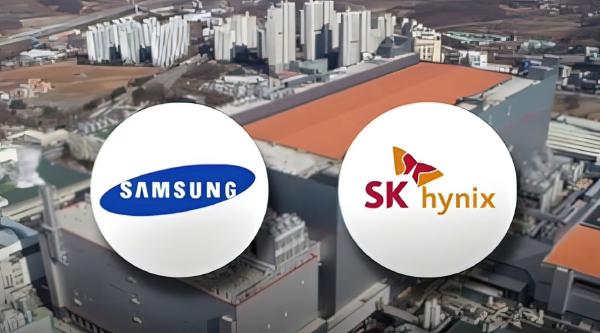
The situation is exacerbated by the legal challenges faced by these major memory producers. A class-action lawsuit has been filed against Samsung and SK Hynix, targeting alleged price-fixing practices within the DRAM market. If the lawsuit yields significant consequences for these companies, it could impact their ability to maintain supply levels, thereby worsening the situation for budget smartphone manufacturers.
As demand for AI technologies continues to rise across various sectors, the pressure on DRAM resources is unlikely to abate. AI applications are proliferating, from machine learning to data processing, and are becoming integral to numerous industries. Consequently, the competition for memory chips is set to intensify, further squeezing the already limited supply available for consumer electronics.
In light of these trends, the budget smartphone segment could face a critical turning point. With fewer available components and rising costs, manufacturers may shift their focus toward higher-end models, which could offer better profit margins but alienate a segment of consumers who depend on more economical options.
As the landscape of the smartphone market evolves, industry stakeholders will need to adapt to these new realities. For consumers, particularly those who rely on budget devices, the potential disappearance of affordable smartphones could mark a significant shift in their technology options. The ramifications of this situation will play out over the next few years, with 2027 standing as a critical juncture.
In summary, the increasing demand for DRAM driven by AI applications poses a considerable threat to the viability of budget smartphones. As prices rise and supply dwindles, manufacturers must navigate a challenging environment that may fundamentally reshape the market.
Context: Smartphones have become a staple in modern life, with budget models providing entry points for many users. The major players in the DRAM market, including Samsung and SK Hynix, are essential to the functioning of the tech ecosystem, underscoring the interconnected nature of today’s hardware supply chains.
Image credit: Wccftech
This article was generated with AI assistance and reviewed for accuracy.