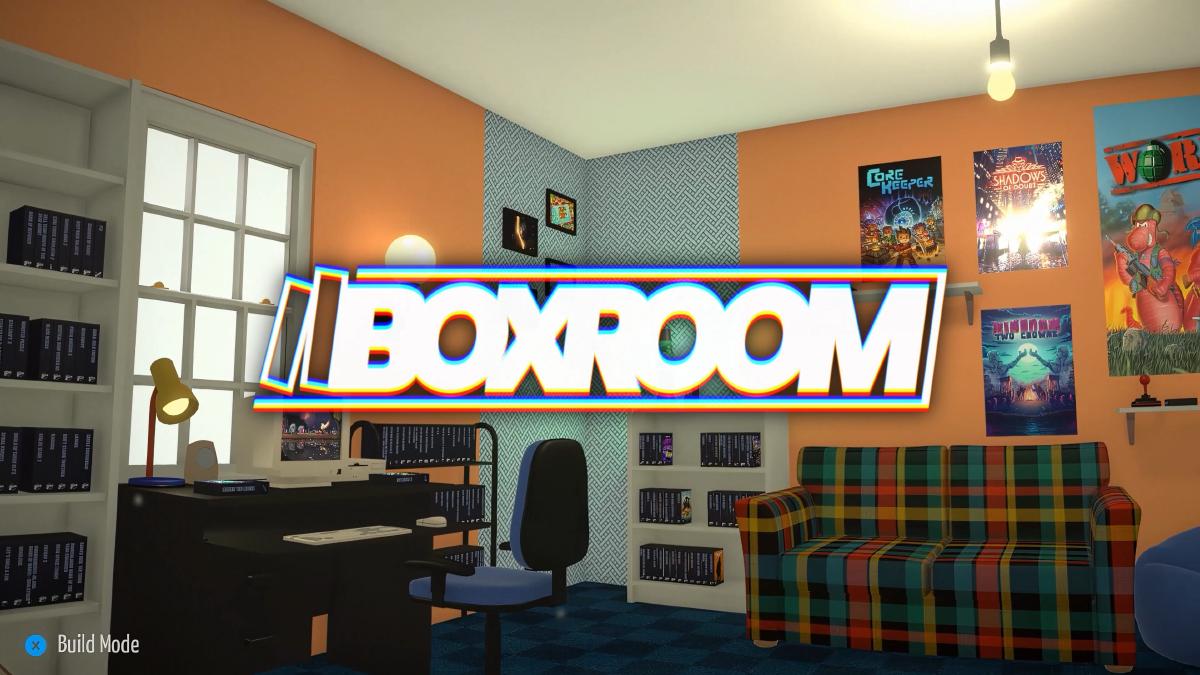
In a unique twist on home design simulators, Boxroom allows players to transform their digital Steam libraries into a tangible, interactive environment. Developed by indie studio Kiki, the game invites users to create custom shelving units to display and organize their collection of Steam games as physical boxes within a virtual home setting. This innovative approach blurs the lines between gaming and home decoration, offering a fresh perspective on how players interact with their digital libraries.
As first reported by VGC, Boxroom leverages the existing Steam library of users, pulling in game metadata to represent each title as a physical box that players can manipulate in their customizable space. The game’s premise encourages players to construct unique shelving units, placing their games in a visually appealing manner. This not only serves as a means of organization but also as a creative outlet, allowing players to express their personal style through interior design.
Boxroom features a variety of design elements, enabling players to choose from different materials, colors, and styles for their shelving. Users can mix and match to create a visually pleasing environment that reflects their tastes. The game also supports a selection of background themes and furniture options, allowing players to furnish their virtual homes in a way that complements their game collection.
Performance-wise, Boxroom is optimized to run smoothly across various systems, making it accessible for a broad audience of PC gamers. The studio has emphasized user experience, ensuring that the interface is intuitive and responsive. This attention to performance allows players to focus on creativity without the frustration of lag or technical issues.
In a gaming landscape where many titles focus on high-octane action or sprawling narratives, Boxroom stands out for its more contemplative approach. It taps into the growing trend of personalization in gaming, inviting players to curate their gaming experiences rather than merely consuming them. The game taps into nostalgia, as players can reminisce about their favorite titles while arranging them in their unique digital space.
Boxroom is expected to appeal particularly to gamers who appreciate the interplay of organization and creativity. The game’s design fosters a sense of ownership, allowing players to curate and showcase their collections in a way that feels personal. This blend of home design and gaming organization positions Boxroom as a novel addition to the indie gaming scene.
As players continue to seek out experiences that provide both fun and a sense of accomplishment, Boxroom offers a compelling way to engage with one’s gaming library. By turning digital games into physical representations, it encourages a deeper connection between players and their virtual collections.
Kiki, the studio behind Boxroom, is known for its innovative approach to game design, often creating unique experiences that engage players in unexpected ways. With Boxroom, they have successfully tapped into the intersection of gaming and design, offering a fresh perspective on how we interact with our favorite titles. As the game gains traction, it will be interesting to see how players embrace this new method of game organization and what creative solutions they come up with in their virtual homes.
Image credit: VGC
This article was generated with AI assistance and reviewed for accuracy.