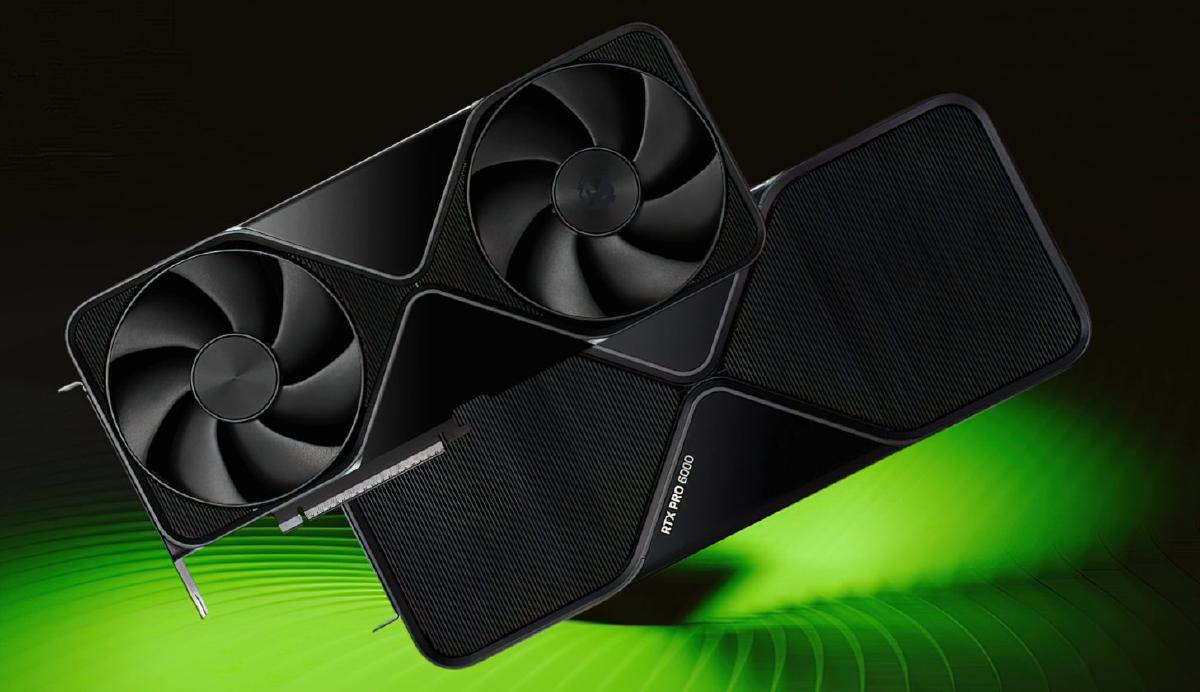
China’s efforts to control the use of NVIDIA’s cutting-edge Blackwell GPUs have proven ineffective, as tech firms continue to source the banned hardware from the black market, where prices have skyrocketed. As first reported by Wccftech, the price of these GPUs has doubled, illustrating the high demand from Chinese companies eager to capitalize on advanced AI capabilities.
The NVIDIA Blackwell GPU family, which includes the highly anticipated RTX 5090, has been prohibited in China due to regulatory concerns. The U.S. government initially imposed restrictions on these chips, labeling them too advanced for current export regulations. This led to a ban by Chinese authorities, who aimed to encourage the development of domestic alternatives. However, the allure of Blackwell’s AI performance has driven tech firms to seek these GPUs regardless of the legal implications.
Reports indicate that the black market for these GPUs has become increasingly competitive, with prices reaching unprecedented levels. A single Blackwell GPU, once available at retail for a fraction of its current black market price, is now listed at twice its original cost. This situation highlights a significant gap between regulatory intentions and market realities, as demand remains high despite official sanctions.
The NVIDIA Blackwell architecture, known for its impressive performance in artificial intelligence workloads, has made it a valuable asset for companies looking to enhance their computing power. As various industries, including technology and finance, increasingly rely on AI-driven solutions, the motivation for firms to circumvent these bans becomes clearer.
China’s failure to enforce these bans effectively raises questions about the broader implications for its tech industry. The ongoing struggle to balance domestic production and reliance on foreign technology reflects a critical tension within the sector. While the government promotes the development of homegrown solutions, the reality is that many firms still depend on high-performance GPUs to remain competitive.
Moreover, the black market’s response to these regulations indicates a thriving underground economy that could undermine government efforts to foster local alternatives. As prices soar, whether authorities will tighten enforcement measures or reconsider their approach to foreign tech dependencies.
The NVIDIA Blackwell GPUs are part of the broader push in the tech industry to harness the potential of advanced artificial intelligence. As AI applications expand across various sectors, the demand for powerful processing units continues to rise. NVIDIA, a leader in GPU technology, has consistently pushed the envelope with its innovative designs. However, the intersection of regulation and market demand creates a complex landscape for tech firms in China.
With the situation evolving, it is clear that the challenges faced by regulatory bodies will require a nuanced approach, balancing the need for innovation with the desire for national technological autonomy. As more companies turn to alternative sources for banned technology, the implications of these market dynamics will likely reverberate throughout the industry.
NVIDIA, founded in 1993, is renowned for its contributions to graphics processing units and artificial intelligence technologies. The company continues to push boundaries, making it a pivotal player in the global tech arena.
Image credit: Wccftech
This article was generated with AI assistance and reviewed for accuracy.