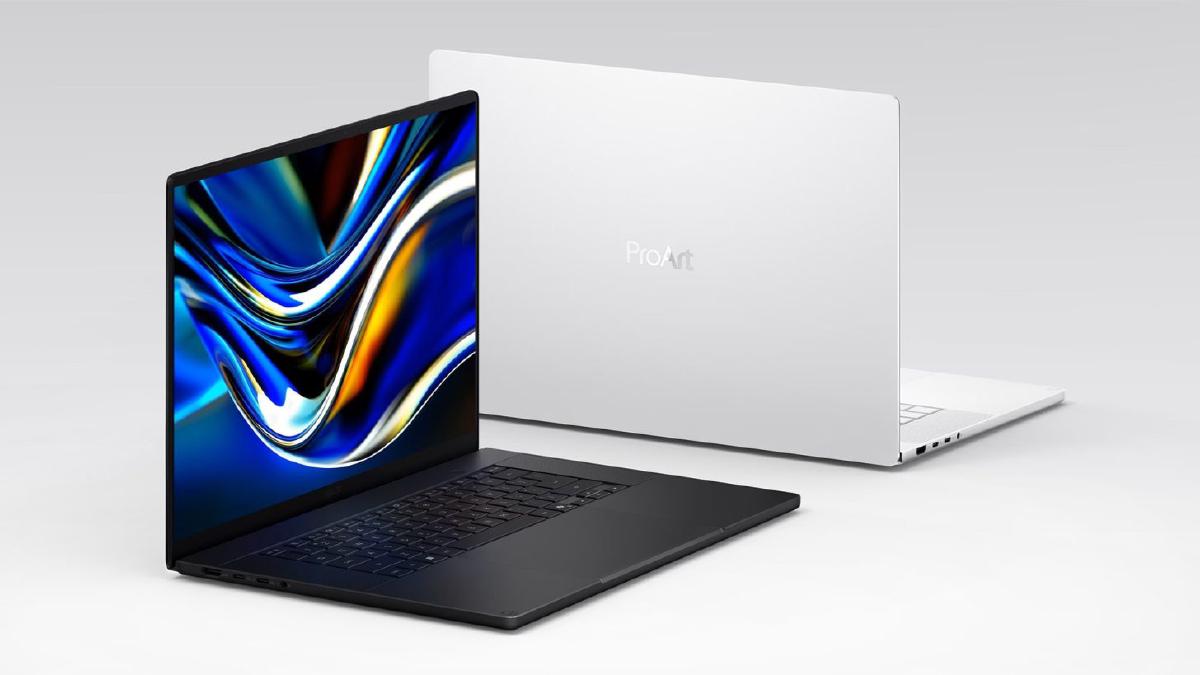
As first reported by Wccftech, ASUS is set to introduce its ProArt P14 and ProArt P16 laptops next month, powered by NVIDIA’s highly anticipated RTX Spark technology. This launch is generating interest not just because of the hardware capabilities but also due to ASUS’s unique cooling strategies designed to optimize performance in ultra-premium, thin laptop designs.
The company’s decision to incorporate liquid metal for heat transfer is particularly intriguing. Liquid metal is known for its superior thermal conductivity compared to traditional thermal compounds, which could enhance the cooling efficiency of the ProArt models. This innovation aims to maintain optimal performance levels even under demanding workloads, such as high-density AI models that RTX Spark is designed to handle.
However, ASUS has made the surprising choice not to include a vapor chamber in these models. Conventional wisdom often suggests that vapor chambers can effectively manage heat distribution across larger die areas, but ASUS appears to have taken a different route. The larger die area of the RTX Spark could lead to uneven mounting pressure if a vapor chamber were used. This decision indicates a careful balancing act between performance and design integrity, showcasing ASUS’s commitment to pushing boundaries while mitigating risks.
The ProArt P14 and ProArt P16 are expected to cater to a diverse range of creative professionals. These laptops are not just gaming machines; they serve as powerful tools for content creators, graphic designers, and anyone who requires robust computing capabilities in a portable format. The innovative cooling solutions are part of ASUS’s broader strategy to enhance user experience, ensuring that performance doesn’t falter during intense sessions.
As the gaming industry continues to evolve, the demand for laptops that can efficiently handle complex tasks is on the rise. ASUS’s ProArt series is positioned to meet this need, combining cutting-edge technology with thoughtful design. The move to utilize liquid metal is a bold statement that reflects a forward-thinking approach, potentially setting a new standard for high-performance laptops in the market.
While the absence of a vapor chamber may raise some eyebrows, the community is eager to see how these developments play out in real-world scenarios. Will the liquid metal application deliver the cooling performance ASUS anticipates? The answer will likely shape future designs and influence competitor strategies.
ASUS has long been recognized for its commitment to quality, and the ProArt P14 and P16 are no exceptions. These laptops represent a significant investment in performance and aesthetics, aiming to inspire creators to unleash their potential without the constraints of inferior technology. As we await their official release, the anticipation for what these devices can achieve is palpable, especially among professionals looking for a reliable performance in a sleek package.
In summary, the ProArt P14 and P16 are set to arrive with an innovative cooling solution that could redefine expectations for portable workstations. With the introduction of NVIDIA’s RTX Spark and ASUS’s dedication to maximizing performance, these laptops could very well become a go-to choice for creative professionals when they hit the shelves.
ASUS, a leading Taiwanese electronics company, has been at the forefront of technology innovation for years. The ProArt line is specifically tailored to meet the needs of professionals seeking powerful and aesthetically pleasing tools for their creative endeavors.
Image credit: Wccftech
This article was generated with AI assistance and reviewed for accuracy.