ASUS is facing scrutiny after a user discovered that their returned ROG Strix power supply unit (PSU) had a bypassed internal safety fuse, a lapse that poses a significant fire risk. This incident raises serious questions about the quality control processes in place at one of the leading gaming hardware manufacturers.
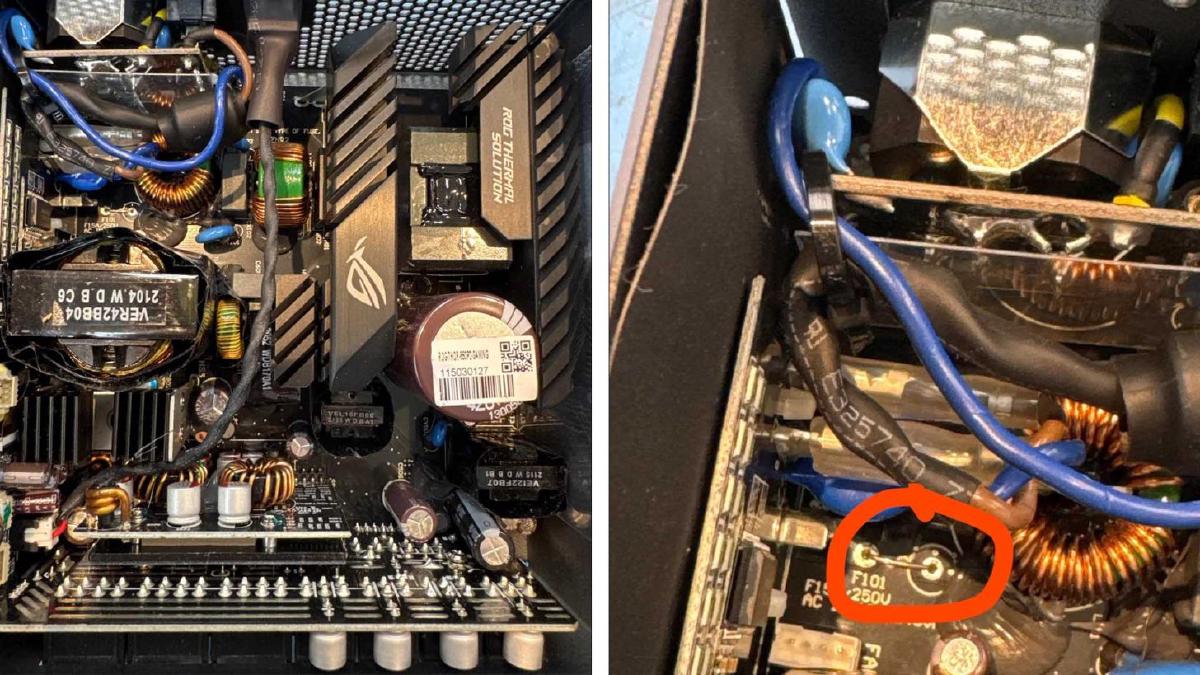
This troubling situation came to light after a user submitted their ROG Strix PSU for Return Merchandise Authorization (RMA). Upon receiving the unit back, the owner found that the safety fuse,critical for preventing potential electrical hazards,had been bypassed rather than replaced. As first reported by Wccftech, the implications of this oversight became evident shortly after the owner powered up their rig. Within two hours of operation, the PSU tripped the primary electrical breaker in their home, highlighting a potentially dangerous flaw.
Power supply units are essential components in gaming PCs, tasked with delivering stable and reliable power to all hardware while protecting against electrical surges and other risks. A properly functioning PSU is equipped with various safety features designed to prevent catastrophic failures, including overload protection and short circuit prevention. By circumventing the safety fuse, ASUS has not only compromised the integrity of the PSU but has also placed users at risk for electrical fires.
This incident is particularly concerning given the premium positioning of the ROG Strix brand within ASUS’s portfolio. These power supplies are marketed for high-performance gaming setups, often with price tags to match. Users expect not only performance but also safety assurances when investing in high-end hardware.
The ramifications of this situation extend beyond individual users. ASUS’s reputation for quality is at stake, as customers may question the reliability of their products and the company’s commitment to safety standards. The bypassed fuse incident implies a significant failure in their RMA and quality assurance processes.
In response to the backlash, it is unclear how ASUS will address this issue. The company has yet to release an official statement regarding the bypassed safety features or to clarify its RMA procedures. Users of ASUS products are encouraged to inspect their PSUs for similar issues, particularly those who have recently received RMA units.
This isn’t the first time that issues have arisen with PC hardware safety, but the nature of this problem,specifically, a deliberate shortcut taken during repairs,strikes at the heart of consumer trust. If ASUS does not take immediate action to rectify the situation and reassure its customers, it risks losing its foothold in the competitive gaming hardware market.
ASUS, established in 1989, is a global leader in computer hardware and consumer electronics, renowned for its high-performance gaming laptops and peripherals. The ROG (Republic of Gamers) brand represents the pinnacle of their gaming products, designed for enthusiasts who demand speed and reliability. However, incidents like this could prompt consumers to reconsider their choices when it comes to premium gaming components.
Image credit: Wccftech
This article was generated with AI assistance and reviewed for accuracy.