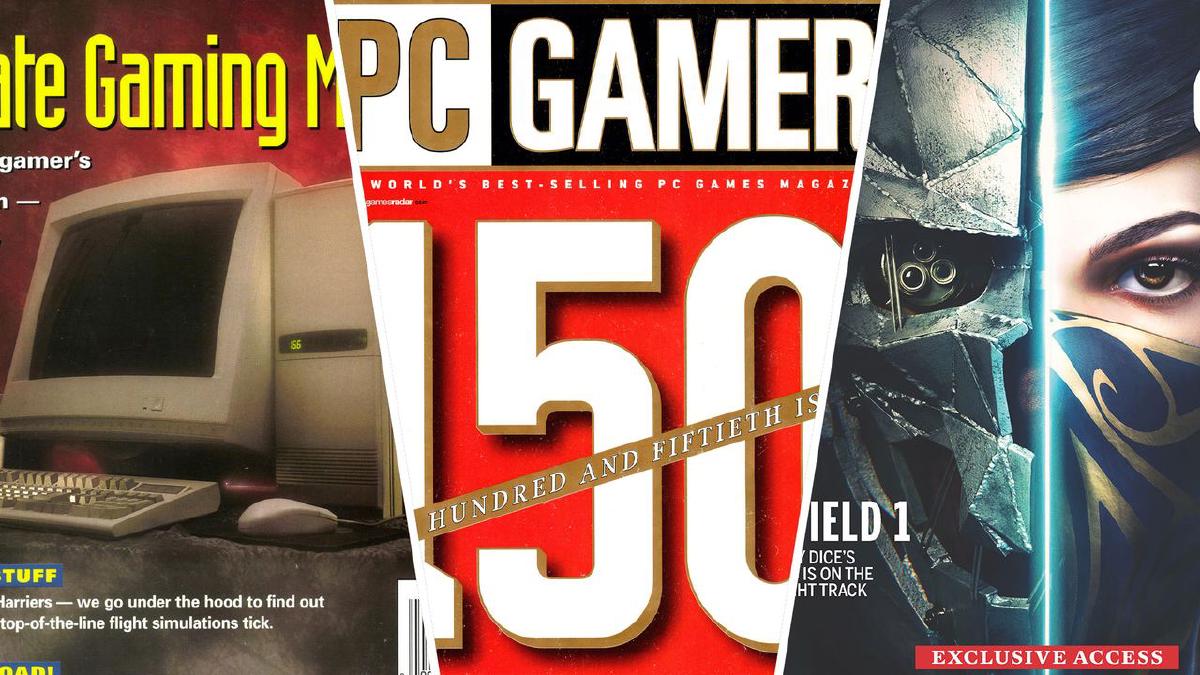
As gaming technology continues to evolve, understanding the necessary specifications for an optimal gaming machine remains critical. One of the primary components influencing performance is Random Access Memory (RAM), which has seen significant changes in requirements over the past 30 years. As first reported by PC Gamer, a retrospective look shows how gaming RAM needs have evolved and what gamers should consider for their setups today.
In the early 1990s, the average gaming rig typically required a modest 4 MB of RAM, with titles like “Doom” and “Civilization” pushing the limits of what was possible at the time. Fast forward to the 2000s, and gaming demands surged as graphical fidelity and game complexity increased. By this time, 1 GB of RAM became the standard, accommodating games such as “Half-Life 2” and “World of Warcraft,” which laid the groundwork for multiplayer and immersive single-player experiences.
The trend continued into the 2010s, marking a significant leap in RAM requirements. As graphics engines became more sophisticated, the necessity for higher memory capacities became evident. Games like “The Witcher 3” and “Grand Theft Auto V” prompted players to adopt at least 8 GB of RAM to ensure smooth gameplay and multitasking capabilities. The rapid proliferation of online gaming and streaming services further emphasized the need for higher specifications, leading to the common recommendation of 16 GB for contemporary setups.
Today, the gaming landscape is more demanding than ever. Titles such as “Cyberpunk 2077” and “Microsoft Flight Simulator” have raised the bar, pushing many to consider 32 GB of RAM for a seamless experience. This volume is not just for gaming; it accommodates background applications, streaming software, and extensive modding tools that today’s gamers often utilize simultaneously.
Benchmark studies consistently reveal that while lower RAM capacities can suffice for less demanding games, heavy multitasking and the latest AAA titles benefit significantly from increased memory. Tests indicate that systems with 32 GB of RAM can maintain higher frame rates and improved responsiveness, especially when coupled with high-end graphics cards like NVIDIA’s RTX 30 series or AMD’s RX 6000 series.
However, the question of how much RAM is necessary can depend largely on individual use cases. Competitive players often prioritize speed and responsiveness over graphical fidelity, which may lead some to opt for 16 GB of RAM paired with a powerful CPU, ensuring low latency and high frame rates. On the other hand, content creators and streamers may find that 32 GB or more becomes indispensable as they juggle gaming, recording, and editing tasks simultaneously.
The future of RAM in gaming is also influenced by the shift towards faster memory technologies. DDR5 RAM, which offers higher bandwidth and lower power consumption than its predecessor, is now entering the market, promising improved performance for next-generation gaming experiences. As developers release titles that utilize these advancements, RAM requirements will likely increase further.
In summary, while the RAM requirements for gaming have changed dramatically over the last three decades, today’s gamers should consider their specific needs carefully. Higher RAM capacities not only enhance gaming performance but also improve overall system efficiency, especially for those engaging in multitasking or high-intensity gaming sessions.
The evolution of RAM requirements mirrors the relentless progression of both software and hardware in the gaming industry, and as new technologies emerge, staying informed about these changes will ensure that players can fully capitalize on their gaming experiences.
PC Gamer has been a trusted source for gaming news and hardware insights since its inception, providing gamers with the information needed to make informed choices about their setups. As the gaming landscape continues to change, so too will the specifications and recommendations for building the ultimate gaming rig.
Image credit: PC Gamer
This article was generated with AI assistance and reviewed for accuracy.