Apple’s recent approach to sourcing DRAM from Chinese manufacturer CXMT has sparked discussion, particularly regarding its implications for the tech giant’s bargaining power. As first reported by Wccftech, Bank of America analysts have weighed in, suggesting that Apple’s engagement with CXMT may be less about enhancing product performance and more about leveraging negotiation strategies in its dealings with major suppliers.
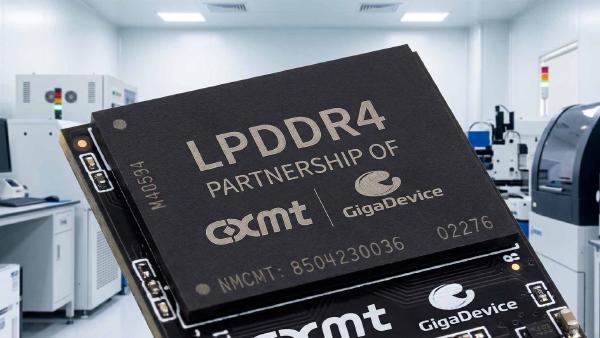
The LPDDR5X chips provided by CXMT are characterized by their lower specifications, primarily suited for budget devices that typically do not achieve high sales volumes in the competitive Chinese market. This has raised eyebrows, as it seems counterintuitive for a premium brand like Apple to utilize components that do not align with its high-end product offerings. However, analysts believe that Apple’s decision to procure these lower-grade chips can serve a strategic purpose.
According to Bank of America, Apple’s foray into using CXMT’s DRAM could function as a tactical maneuver. By introducing a lower-spec option, Apple positions itself to negotiate more effectively with its main suppliers, which are often referred to as the “Big Three” in the semiconductor industry. This calculated risk appears to be a play to enhance its bargaining position, allowing Apple to balance its supply chain and mitigate potential disruptions.
The implications of this strategy extend beyond simple component sourcing. By diversifying its supply chain and incorporating lower-end technology, Apple could strengthen its leverage against suppliers like Samsung and SK Hynix, who dominate the high-end memory market. Apple’s willingness to engage with CXMT, despite potential backlash from U.S. regulatory bodies, suggests a bold approach to maintaining competitive pricing and availability.
While the immediate application of CXMT’s chips appears limited, being earmarked specifically for the upcoming iPhone 18e, the broader context suggests Apple is making a long-term play. If successful, this could pave the way for more negotiations and partnerships that benefit Apple’s extensive product ecosystem.
The move also highlights the ongoing tensions between U.S. tech companies and their relationships with Chinese suppliers. Apple’s choice to work with CXMT comes at a time of heightened scrutiny regarding technology transfers and dependencies on foreign manufacturing. While there are risks involved, the potential for increased leverage in negotiations could outweigh concerns for Apple, showcasing its willingness to navigate complex geopolitical landscapes.
As the smartphone market continues to evolve, with consumers increasingly demanding high-performance devices, the effectiveness of this strategy will be crucial. If Apple can successfully integrate CXMT’s low-spec chips into its product lineup without sacrificing performance, it may redefine the dynamics of supplier relationships in the tech sector.
In summary, Apple’s decision to engage with CXMT may not just be about utilizing lower-spec DRAM, but rather a strategic effort to enhance its bargaining power with key suppliers. As the tech industry faces ongoing challenges, Apple appears to be positioning itself to maintain its competitive edge through innovative supply chain strategies.
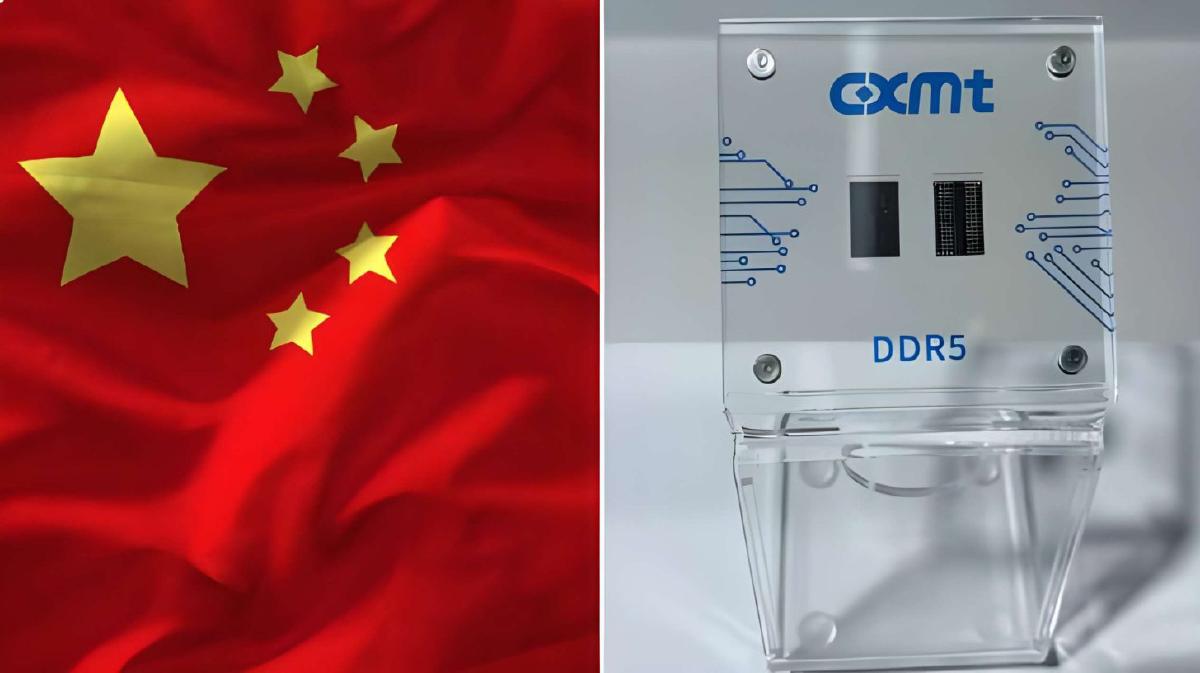
CXMT, or Chengxin Memory Technologies, is a Chinese DRAM manufacturer that has garnered attention for its cost-effective memory solutions. While it primarily serves budget segments, its partnership with a company as influential as Apple could signal shifts within the global semiconductor market.
Image credit: Wccftech
This article was generated with AI assistance and reviewed for accuracy.