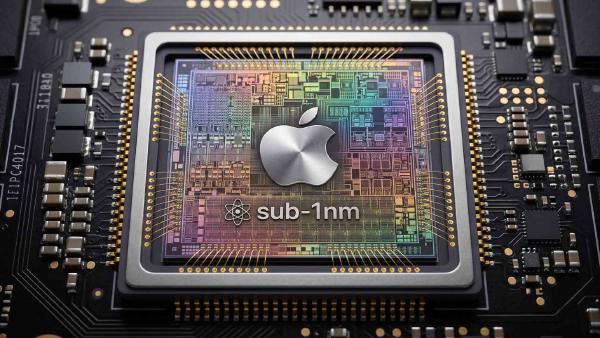
In a surprising twist during its recent earnings call, Apple has signaled a shift in strategies that could significantly impact the smartphone market landscape, particularly for its Chinese competitors. As first reported by Wccftech, Apple revealed that the primary hurdle facing its production is not the availability of memory but rather the limitations of TSMC’s advanced chip fabrication capabilities. This statement sends a clear message to Chinese original equipment manufacturers (OEMs) that Apple is intensifying its efforts to capture market share.
Despite projections that Apple’s iPhones will require a staggering 2.4 exabytes of memory in 2023, the company maintains that it is not facing any constraints regarding memory supply. By making this assertion, Apple is setting the stage for a competitive showdown against Chinese brands, which are now facing pressure to reevaluate their premium flagship offerings.
The implications of Apple’s move could be profound. With its decision to freeze iPhone prices while securing a substantial portion of the LPDDR5 memory supply, Apple is not just looking to stabilize its own operations but is also challenging its rivals to contend with a changing market dynamic. This could lead to a ripple effect where Chinese OEMs may feel compelled to adjust their pricing strategies, potentially scrapping their high-end models in favor of more competitively priced alternatives.
As Apple continues to assert its dominance by leveraging its extensive resources and strategic partnerships, many in the industry are left wondering how Chinese OEMs will respond. With Apple positioned to capitalize on its memory supply, these competitors face a difficult landscape, where maintaining high product prices may no longer be feasible.
The impact of this strategy is likely to extend beyond pricing and product offerings. A shift in the competitive atmosphere could lead to a greater focus on innovation and differentiation among Chinese brands, as they scramble to maintain relevance in a market that Apple is aggressively targeting. This situation could ignite a new wave of creativity, prompting smaller developers and manufacturers to explore unique features and designs to entice consumers.
Apple’s confidence in its current standing is reflected in its decision to hold off on price increases, even in the face of rising production costs. As devices become increasingly memory-hungry, Apple’s claim of being unconstrained by supply challenges could be interpreted as a bold strategy to reinforce its brand loyalty among consumers.
This development comes at a critical time when the smartphone market is grappling with various supply chain disruptions and shifting consumer demands post-pandemic. Apple, with its resources, appears to be in a position to weather these storms better than many of its competitors, but the true test will be how effectively it can maintain its market leadership amidst a rapidly evolving landscape.
In summary, Apple’s recent proclamations are more than just corporate strategy; they represent a calculated move that could redefine the dynamics between Apple and its Chinese competitors. As the market recalibrates in response to these changes, we may witness a significant shift in how smartphones are marketed and sold moving forward.
Apple Inc., founded in 1976 and headquartered in Cupertino, California, is known for its innovative products and services, including the iPhone, iPad, and Mac. TSMC, or Taiwan Semiconductor Manufacturing Company, is a leading semiconductor manufacturer and a key partner for Apple in producing advanced chips for its devices.
Image credit: Wccftech
This article was generated with AI assistance and reviewed for accuracy.