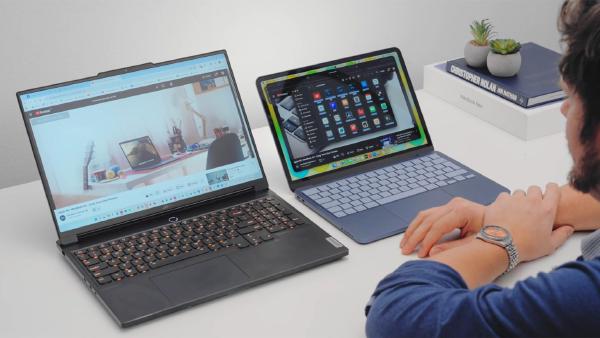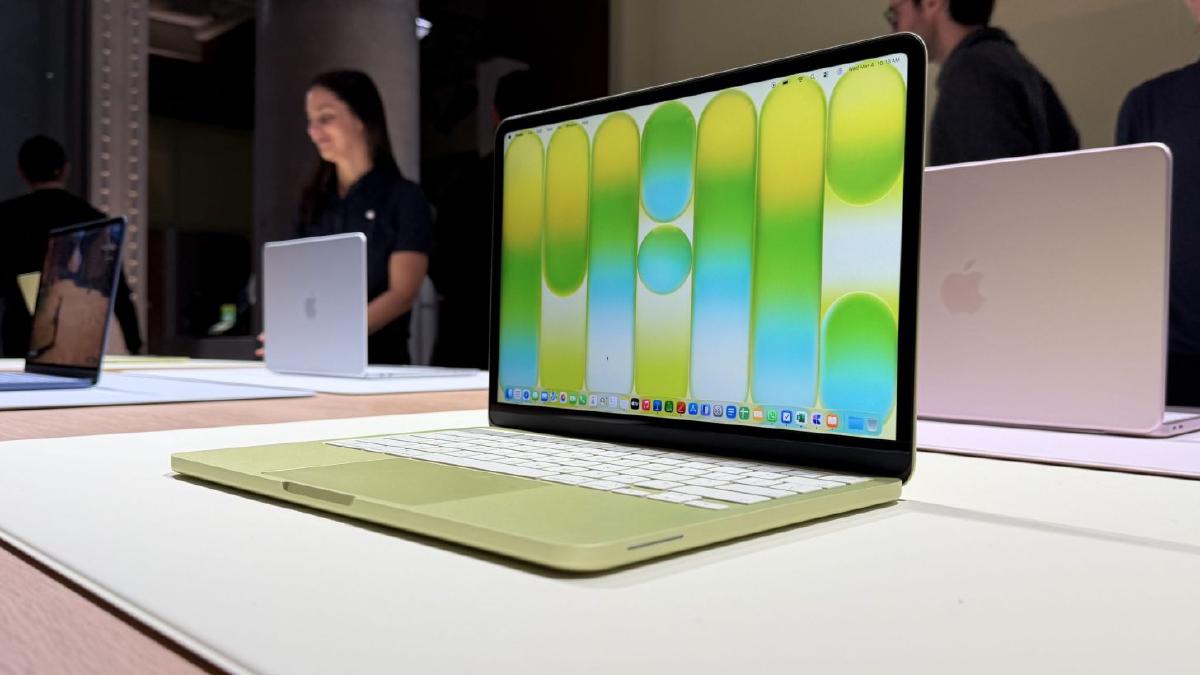
Apple has recently stirred up a storm with the launch of its MacBook Neo, a device that has sparked a heated debate among tech enthusiasts. As first reported by Wccftech, opinions on the MacBook Neo are sharply divided, with some praising it as a strategic move into a burgeoning $30 billion market, while others dismiss it as little more than an overhyped iPad.
At the heart of the controversy is the device’s intended audience. Supporters argue that the MacBook Neo caters to budget-conscious consumers who need an effective laptop without the hefty price tag often associated with Mac products. These proponents see it as a clever attempt by Apple to capture a demographic that has traditionally leaned toward more affordable options. They believe it could provide a more versatile alternative, especially for students and young professionals.
On the flip side, critics contend that the MacBook Neo lacks the substance to stand alongside its more established counterparts. They argue that it resembles an inflated version of the M4 iPad Air, which offers many of the same functionalities and capabilities. This perspective raises questions about whether Apple has genuinely introduced a new category of device or simply rebranded an existing one to tap into a different market.
When comparing specifications, both devices present impressive displays and processing power. The MacBook Neo’s screen offers clarity and vibrant colors, while the M4 iPad Air boasts a highly responsive touchscreen, making both devices appealing for various tasks, from casual browsing to creative endeavors. However, the distinction in user experience is where the debate intensifies.
Supporters of the MacBook Neo point to its keyboard and trackpad, which offer a more traditional laptop experience that can enhance productivity for those who do significant typing. In contrast, the iPad Air’s touchscreen interface attracts a user base that values portability and versatility, making it ideal for those who frequently switch between work and play.
As the discussion continues, what is clear is that both the MacBook Neo and M4 iPad Air have distinct advantages that cater to different user preferences. While the MacBook Neo may take a more conventional approach with its laptop design, the M4 iPad Air thrives on its sleek portability and touch-driven capabilities. Thus, the choice between these two devices ultimately hinges on what users prioritize: traditional laptop functionality or the innovative versatility of a tablet.
Apple’s foray into this space demonstrates its keen awareness of shifting consumer needs, especially as more individuals seek devices that meld work and leisure. The question remains whether the MacBook Neo can carve out its own identity in a market saturated with options or if it will merely be perceived as a repackaged iPad Air.
In an age where technology is rapidly evolving, these debates are essential. They not only help consumers make informed choices but also push companies to innovate and improve their offerings. While the MacBook Neo may appear contentious now, it could pave the way for future developments in budget-friendly computing.
Founded in 1976, Apple has long been a leader in innovation, consistently developing products that shape the tech landscape. The MacBook Neo marks its latest attempt to balance quality with affordability, a move that could redefine consumer interest in personal computing. Meanwhile, the M4 iPad Air continues to represent Apple’s commitment to pushing the boundaries of tablet functionality.
Image credit: Wccftech
This article was generated with AI assistance and reviewed for accuracy.