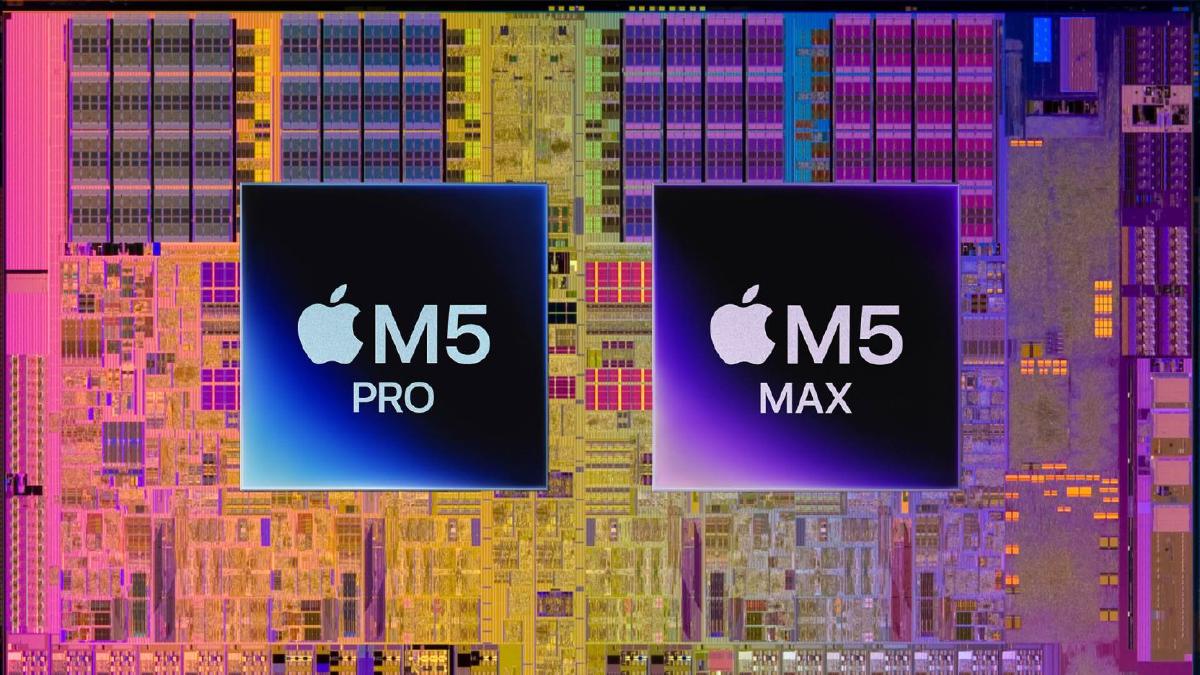
Apple’s latest silicon offerings, the M5 Pro and M5 Max, have introduced a significant advancement in chip architecture that sets new standards for performance. As first reported by Wccftech, these new systems-on-chip (SoCs) leverage what Apple describes as ‘Fusion Architecture,’ marking the first time this technology has been featured in its product lineup.
Traditionally, Apple’s chip designs have relied on a monolithic structure or a 2.5D design, where distinct functional blocks are arranged on separate sections of the silicon die. However, the M5 Pro and M5 Max break from this convention by incorporating vertically stacked dies. This vertical integration allows for a more compact design, which can potentially enhance data transfer speeds and efficiency, leading to improved overall performance metrics.
During an interview, an Apple employee from the platform architecture team elaborated on the benefits of this new design, noting that the vertical stacking of chips not only optimizes space but also facilitates faster communication between components. This innovation could result in a noticeable increase in processing power, particularly for demanding applications such as video editing and 3D rendering, which are often resource-intensive.
The M5 Pro and M5 Max are positioned as the flagship chips for Apple’s new lineup of Macs, targeting professionals in creative fields who require robust performance capabilities. With the rise of multitasking and more complex workflows, the performance enhancements promised by these chips could have substantial implications for video production, graphic design, and other demanding tasks.
Benchmarking data is increasingly crucial in this competitive landscape. Early tests suggest that the M5 Pro and M5 Max outperform their predecessors in both single-core and multi-core scenarios, indicating that Apple’s strategy may be effective in meeting the needs of high-performance users. The implications of this architectural shift extend beyond mere speed; efficient thermal management could lead to better sustained performance under heavy loads.
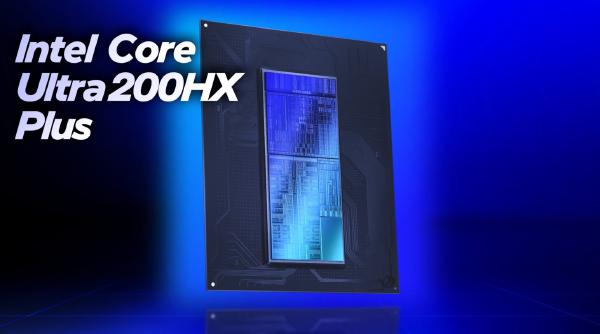
As the battle for supremacy in the silicon space intensifies, Apple’s innovative approaches may give it a competitive edge against rivals like AMD and Intel, who are also exploring new chip designs and architectures. The industry is closely watching how these advancements perform in real-world applications, as well as the impact on battery life in portable devices.
In summary, Apple’s M5 Pro and M5 Max represent a significant leap forward in chip design with their vertically stacked architecture. This innovation is poised to redefine the performance expectations for future Macs, particularly for professionals in high-demand environments. As Apple continues to push the boundaries of what its silicon can achieve, the tech community eagerly anticipates further developments in this realm.
Apple Inc. is known for its innovative technology and design-focused products, ranging from personal electronics to software, and the introduction of the M5 Pro and M5 Max chips underscores its commitment to leading the charge in the evolving landscape of computing technology.
Image credit: Wccftech
This article was generated with AI assistance and reviewed for accuracy.