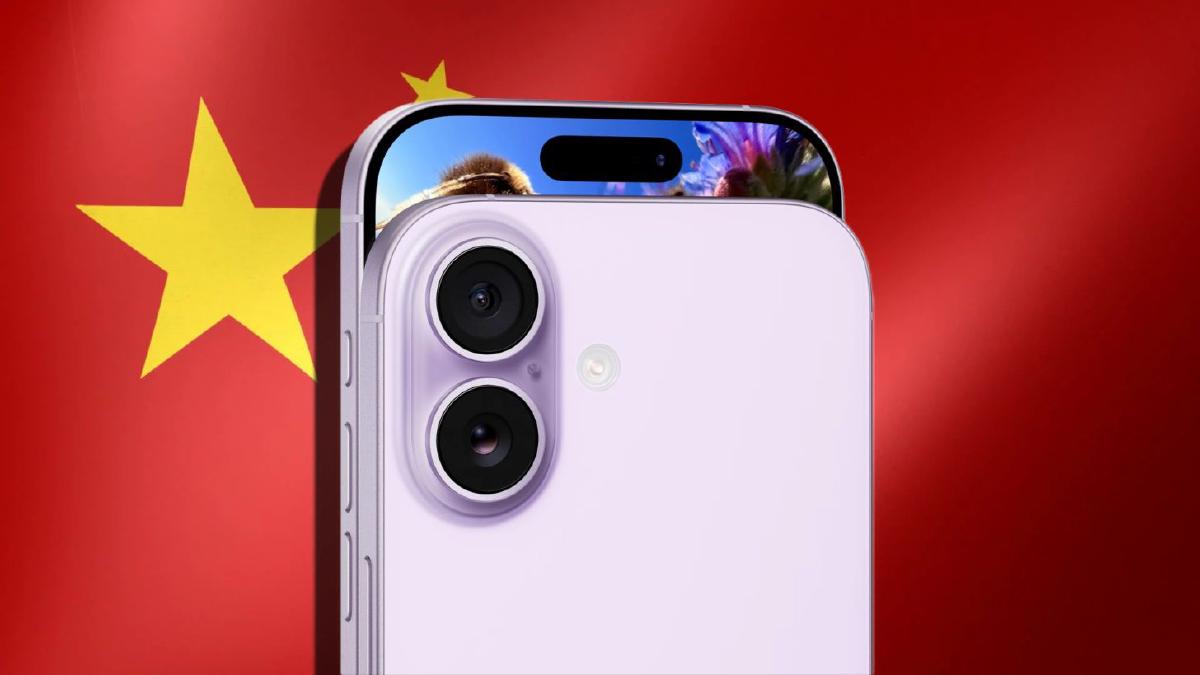
Apple has long struggled against a competitive landscape dominated by local smartphone brands in China, such as Huawei and Xiaomi. Nationalist sentiments often lead consumers to favor these domestic manufacturers over foreign ones. However, recent price cuts on the iPhone 17 series have significantly altered this dynamic. As first reported by Wccftech, the impending “618” shopping festival,China’s second-largest e-commerce event,has driven millions of activations of Apple’s latest devices.
Ahead of this major sales event, Apple implemented strategic discounts on its iPhone 17 lineup, which has proven effective in attracting consumers. According to industry insiders, these reductions have led to over 30 million activations, showcasing a clear preference for value among Chinese shoppers. This trend underscores a critical shift in consumer behavior, emphasizing that even in markets dominated by local brands, price can often outweigh brand allegiance.
The “618” festival, which takes place annually on June 18, is a pivotal moment for retailers and consumers alike. It’s not just an opportunity for consumers to grab discounts, but also for companies to maximize sales and market presence. For Apple, this year’s price cuts seem to align perfectly with the event’s timing, creating a perfect storm for increased consumer engagement.
Apple’s price strategy appears to be a calculated move. The company’s historical pricing strategy has often positioned its devices as premium products, which has been effective in various global markets. However, in China, where competition is fierce and consumers are increasingly price-conscious, this approach may require adjustment. The latest activation numbers suggest that consumers are willing to overlook previous brand preferences when they perceive significant value in a product.
The massive influx of activations also highlights the challenges facing local brands. Despite the strong nationalist sentiment that often drives consumers toward homegrown options, the appeal of Apple’s offerings at a reduced price demonstrates that value remains a top priority. For many consumers, the allure of the iPhone’s ecosystem, along with its features and design, can outweigh the desire to support local companies.
This trend may have broader implications for the smartphone market in China. As local brands ramp up their offerings in a bid to maintain market share, they will need to consider how pricing strategies affect consumer decisions. If Apple’s approach continues to resonate, it may prompt local competitors to rethink their pricing and marketing tactics.
Apple’s recent success in activating millions of iPhones in a market that has been increasingly resistant to foreign brands is a testament to the power of strategic pricing. The iPhone 17 may have found a way to cut through local competition and win over consumers who prioritize functionality and cost-effectiveness over brand loyalty.
For Apple, the timing of these discounts could not be better, as the company seeks to solidify its position in one of the world’s largest smartphone markets. As the “618” festival unfolds, all eyes will be on the tech giant to see if these activations translate into sustainable market growth.
Apple Inc. is a major player in the global technology landscape, known for its innovative products, including the iPhone, iPad, and Mac computers. The company has faced increasing competition in recent years, especially from domestic brands in key markets like China, but continues to adapt and evolve its strategies in response to changing consumer behaviors and market conditions.
Image credit: Wccftech
This article was generated with AI assistance and reviewed for accuracy.