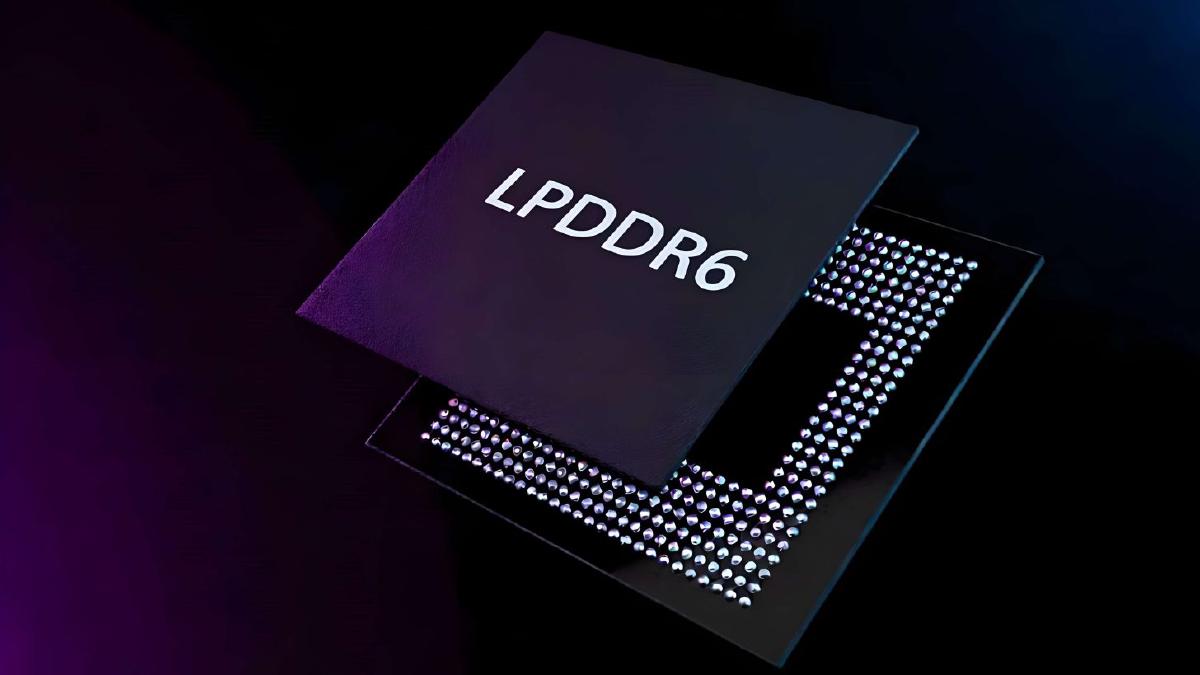
Apple is set to make a notable shift in its memory technology with the A20 Pro chip designed for the upcoming iPhone 18 Pro and Pro Max models. As first reported by Wccftech, the new A20 Pro will utilize 96-bit LPDDR6 memory, moving away from the 64-bit LPDDR5X that has been in place for over a decade. This transition marks a significant change in Apple’s approach to mobile memory, reflecting the company’s effort to enhance performance while addressing rising production costs.
The decision to integrate 96-bit LPDDR6 memory is expected to provide a substantial increase in bandwidth and efficiency. This advancement could lead to improved multitasking capabilities and faster data processing speeds for applications that require heavy lifting, such as gaming and video editing. With mobile gaming becoming increasingly demanding, the improved specifications may position the iPhone 18 Pro and Pro Max as formidable competitors in the high-performance smartphone market.
However, in a balancing act of performance versus cost, Apple appears to be cutting corners on NAND storage for these devices. Reports indicate that while the A20 Pro chip will harness the advanced memory technology, it may feature reduced NAND storage options to manage overall expenses. This move raises questions about the trade-offs Apple is willing to make between high-end specifications and affordability, particularly in a market where consumers are increasingly price-sensitive.
Apple’s decision to adopt the 96-bit LPDDR6 aligns with broader industry trends, as competitors in the mobile space are also focusing on enhancing memory capabilities to meet growing user expectations. This strategic shift could give Apple an edge, especially among tech enthusiasts and professionals who prioritize performance. However, the reduction in NAND storage could limit the appeal for users who expect high-capacity devices without compromises.
The implications of this change may resonate across various applications, from gaming to augmented reality, as developers leverage the increased memory bandwidth to create more complex and immersive experiences. While the competition heats up in the smartphone sector, Apple’s A20 Pro could play a pivotal role in defining the performance benchmarks for future devices.
As the launch date for the iPhone 18 Pro approaches, anticipation builds around how these changes will affect user experience. Apple’s ability to balance performance enhancements with cost-effective decisions will be under scrutiny as the devices hit the market.
In summary, the A20 Pro chip represents a significant technological leap forward for Apple, with the adoption of 96-bit LPDDR6 showcasing the company’s commitment to advancing mobile performance. However, the accompanying reduction in NAND storage serves as a reminder that even tech giants must navigate the complexities of pricing while aiming to deliver cutting-edge products.
Apple, the technology powerhouse known for its innovative hardware and software solutions, has been a leader in mobile technology for years, continually pushing the boundaries of what’s possible in smartphones and other devices. The iPhone 18 Pro and Pro Max are poised to continue that legacy, but how consumers respond to these changes will be key in determining their success.
Image credit: Wccftech
This article was generated with AI assistance and reviewed for accuracy.