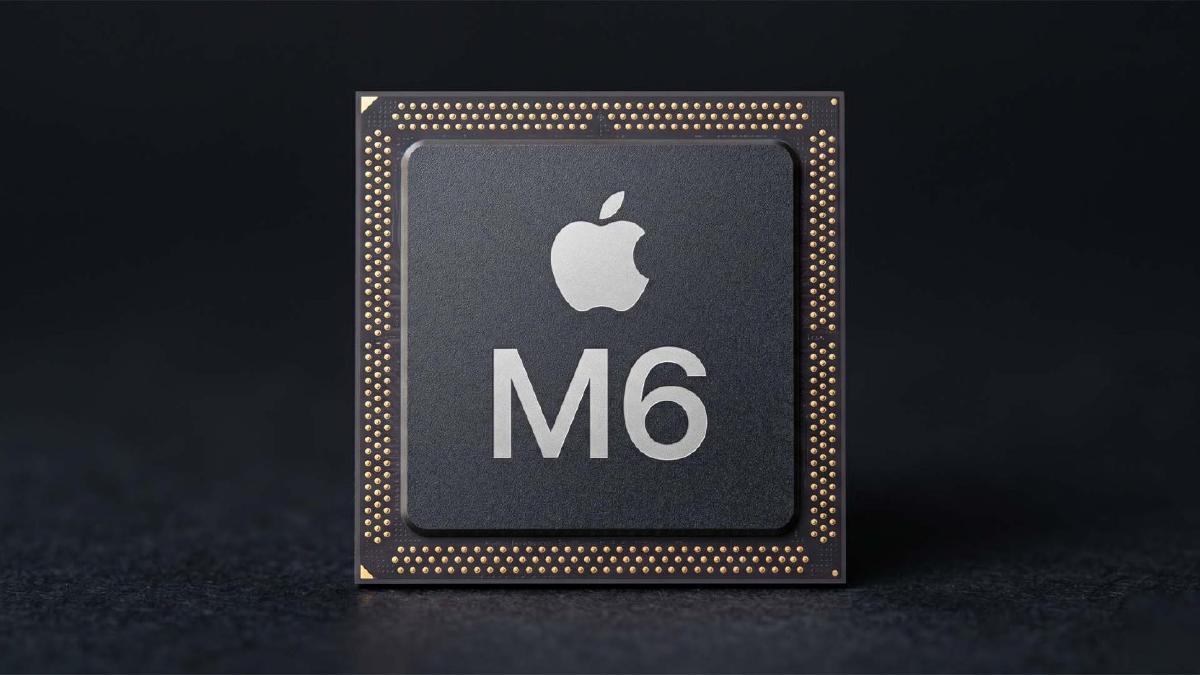
In a significant shift in strategy, Apple is set to launch its M6 chipset later this year without the traditionally anticipated Pro and Max variants. Instead, the tech giant plans to unveil the M7 Pro and M7 Max models, leaving many to wonder how this change will affect upcoming MacBook Pro releases. As first reported by Wccftech, this bold decision marks a departure from Apple’s established pattern of delivering multiple chip variants alongside new releases.
According to Bloomberg’s Mark Gurman, the move could have implications for the redesigned OLED MacBook Pro, which was initially expected to feature the M6 Pro and M6 Max chips. This news has sparked speculation regarding the performance and features of the upcoming laptops, as enthusiasts and professionals alike rely on the Pro and Max variants for enhanced capabilities in demanding applications.
The M6 series was anticipated to be a stepping stone for users looking for increased power and efficiency in their devices. Apple’s M1 and M2 chipsets significantly elevated performance levels, and the M6 was expected to continue that trend. However, with the decision to hold off on the Pro and Max versions, users may face delays in accessing the high-performance options they have come to expect.
In recent years, Apple’s M-series chips have been a source of pride for the company, representing a shift in how they approach hardware development. With each new iteration, Apple has focused on optimizing performance and energy efficiency, appealing to both creative professionals and everyday users. The absence of the M6 Pro and M6 Max variants may prompt some to reassess their upgrade plans, particularly as they look to future-proof their devices.
The implications of this decision extend beyond just the M6 lineup. The M7 Pro and M7 Max, expected to debut later, will likely need to deliver on the high expectations set by their predecessors. Speculations abound regarding what features and enhancements these future chipsets will bring. Apple has consistently pushed the boundaries of what’s possible in mobile and desktop computing, and the M7 series will need to continue that tradition.
This decision also raises questions about the timing of product launches. With the M6’s release looming, Apple faces pressure to maintain momentum in the competitive tech landscape. As other companies continue to roll out advanced hardware, Apple must ensure that its products remain appealing to consumers who rely on their devices for both work and leisure.
As we wait for further announcements from Apple, the shift in strategy highlights the company’s growing focus on long-term planning and innovation. The excitement surrounding the M6 will undoubtedly be tempered by anticipation for the M7, as many in the tech community look to see how this will impact future developments in the Mac lineup.
For those unfamiliar, Apple’s M-series chips have reshaped how devices perform, combining powerful processing capabilities with impressive energy efficiency. The company has continually pushed the envelope, developing these chips to meet the needs of a diverse range of users, from gamers to professional creators. As the landscape of technology evolves, so too does Apple’s commitment to delivering cutting-edge solutions that resonate with its audience.
Image credit: Wccftech
This article was generated with AI assistance and reviewed for accuracy.