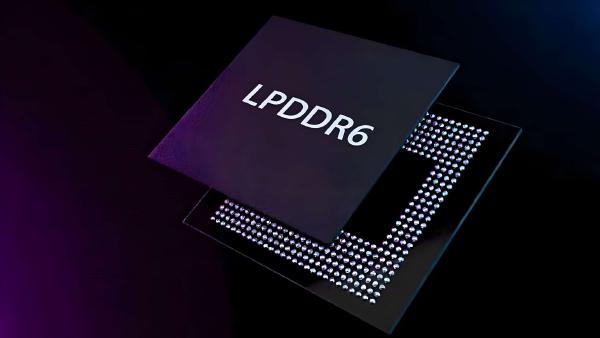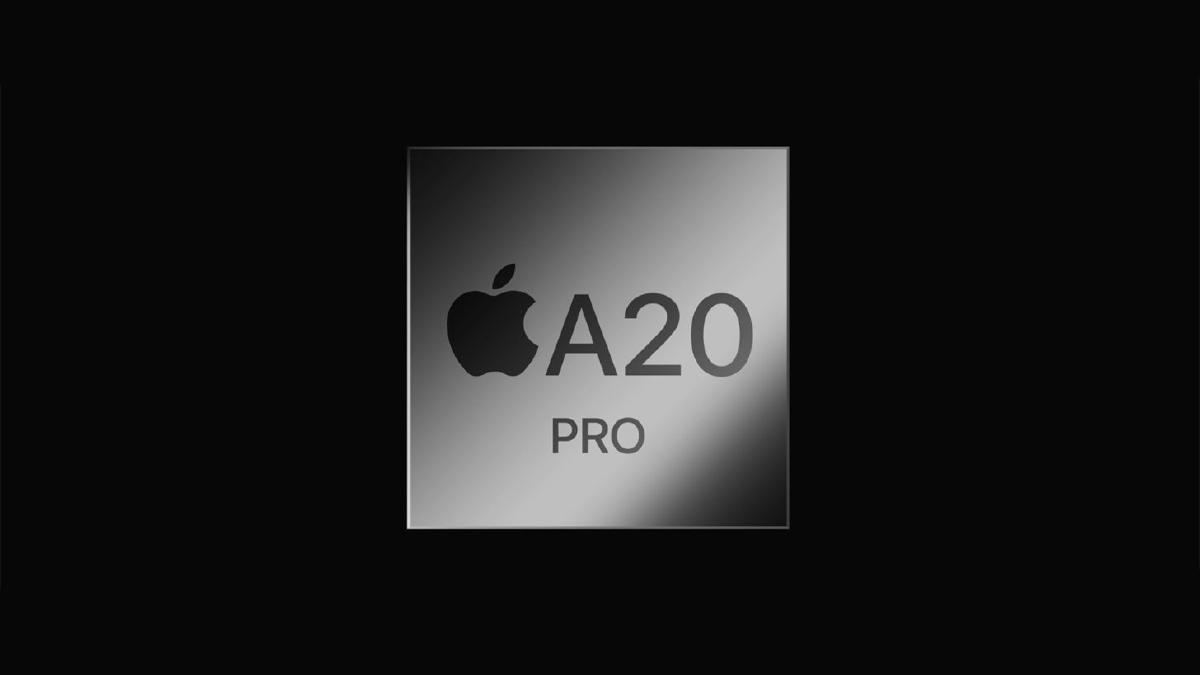
Apple has announced a significant upgrade to its chipset packaging with the introduction of the A20 Pro, moving away from its previous InFO-PoP (Integrated Fan-Out Package-on-Package) technology. This transition responds to the growing demands of artificial intelligence applications, which require enhanced performance and efficiency in chip design. As first reported by Wccftech, this shift comes as the need for on-device AI capabilities becomes more prevalent, highlighting the limitations of older packaging technologies.
The InFO-PoP packaging was once a staple for Apple’s A-series chipsets, but it has struggled to keep pace with the increasing complexity of AI workloads. One of the key issues with this older technology was its thermal management, which became a bottleneck when running intensive AI operations. Users experienced performance drops and overheating, particularly during extended processing tasks. The change to the new Wafer-Level Multi-Chip Module Packaging (WMCM) is expected to resolve these issues by allowing for better thermal control and reduced size, ultimately leading to improved efficiency.
The introduction of WMCM represents a commitment from Apple to invest in innovative solutions that meet the demands of modern computing. This new packaging method not only allows for more efficient heat dissipation but also increases the potential for integrating additional components into a smaller footprint. This means that the A20 Pro can handle larger data volumes more effectively, paving the way for advanced applications in machine learning and AI.
Apple’s move to adopt WMCM is part of a broader trend where tech companies are re-evaluating their hardware designs in light of AI advancements. The AI boom has prompted manufacturers to push the boundaries of current technologies and optimize their products to meet new computational demands. This evolution in packaging is indicative of a shift toward more sophisticated hardware architectures that can support the next generation of AI-driven applications.
As Apple continues to refine its chip technology, competitors will likely follow suit, leading to a more dynamic landscape in the mobile processing market. Enhanced performance metrics, lower power consumption, and improved thermal management could soon become standard expectations for consumers.
The A20 Pro’s upgrades may also set a benchmark for future Apple products, emphasizing the importance of efficient chip design in an increasingly data-driven world. This evolution is not just about keeping up with market demands but also about positioning Apple as a leader in the AI and computing sectors.
Apple Inc. is a multinational technology company renowned for its innovation in consumer electronics, software, and services. The company’s A-series chips have powered its iPhones and iPads, making it a significant player in the mobile industry. With the new A20 Pro, Apple is set to enhance its offerings, catering to the growing market for AI-enhanced applications.
Image credit: Wccftech
This article was generated with AI assistance and reviewed for accuracy.